
The Top Questions to Ask a Franchisor's CEO or Founder
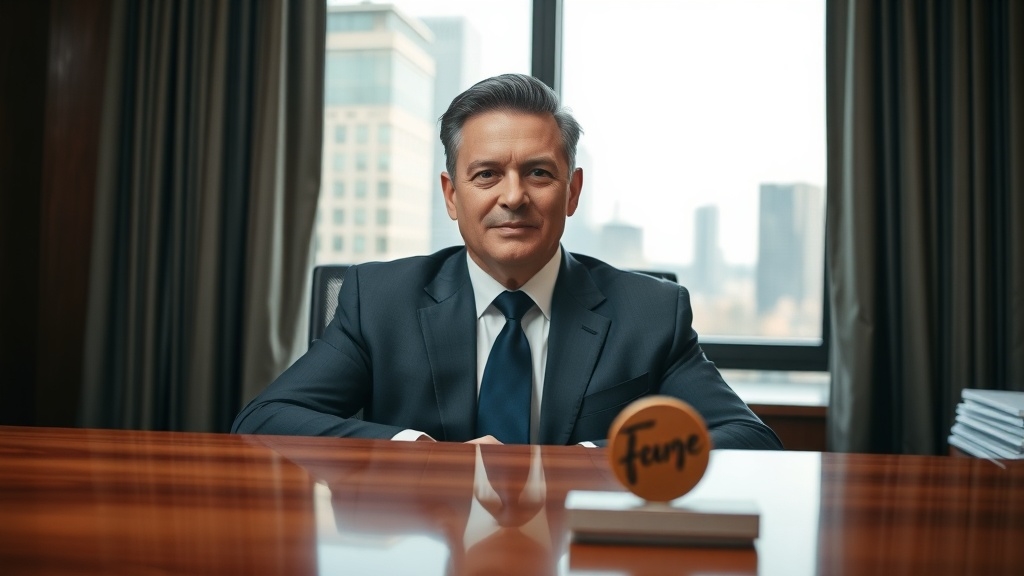
The moment arrives. After weeks, perhaps months, of poring over franchise kits, financial models, and location demographics, you find yourself in the room—virtual or physical—with the architect of the brand. Seated across from you is the founder or CEO, the individual whose signature idea evolved into the sprawling network you’re considering joining. This is not a casual coffee chat. It’s the ultimate litmus test.
The documents in your folder tell a story of numbers and obligations. The marketing materials paint a picture of success and seamless operations. But this conversation is your one chance to glimpse the unwritten story—the vision, the culture, the resilience, and the core philosophy that holds the entire enterprise together. In the Philippines, where business relationships are deeply personal, this interaction carries immense weight.
Asking the right questions can illuminate the path ahead, revealing potential cracks in the foundation or confirming that you’ve found a partner for the long haul. This isn't an interrogation; it's a diagnostic process. You're peeling back the corporate veneer to understand the heart of the operation and the mind of its leader. Here are the essential questions to guide that pivotal conversation.
Probing the Foundation: Questions About Vision and Purpose
Before you can understand where the brand is going, you must understand where it came from. A founder’s origin story and overarching vision are the bedrock of the franchise system. These questions are designed to uncover the 'why' behind the business, which is often a more powerful indicator of long-term success than any balance sheet.
- "Beyond the business plan, what was the original mission for this brand, and how do you keep that mission alive today?"
This question cuts through the profit motive to the core purpose. Was the business born from a genuine passion for the product, a desire to solve a specific customer problem, or simply to fill a perceived market gap? A founder who can articulate a compelling and consistent mission is likely to lead a brand with a strong identity and loyal following. Their answer reveals the soul of the company. It helps you assess whether the brand’s purpose resonates with your own, a critical step in choosing a franchise that aligns with your personal and professional values. - "Paint me a picture of this company in ten years. What does it look like, and what is the single biggest obstacle you see to achieving that vision?"
This is a two-part query that tests both ambition and realism. The first part reveals the scope of their long-term strategy. Are they aiming for steady, sustainable growth, rapid national expansion, or international dominance? The second part is even more crucial. It gauges their awareness of potential threats—be it market saturation, technological disruption, supply chain vulnerabilities, or evolving consumer tastes. A leader who cannot identify significant challenges is either naive or not being transparent. - "What was your most significant mistake in the early years of the business, and what fundamental lesson did it teach you?"
Humility is a rare and valuable leadership trait. A founder who openly shares past failures demonstrates self-awareness and a capacity for growth. Their answer provides a window into their problem-solving process and resilience. A story about a failed product launch that led to a more robust R&D process, or a hiring mistake that reshaped their approach to team building, is far more reassuring than a claim of a flawless track record. It shows they have been tested and have learned to adapt—a quality you will desperately need from them when you face your own challenges.
Defining the Partnership: Questions About the Franchisee-Franchisor Dynamic
A franchise is a symbiotic relationship. Your success is their success, and vice-versa. However, the dynamics of this relationship can range from a true partnership to a rigid, top-down dictatorship. These questions help you understand the culture of the network and the nature of the support you will receive.
- "Describe your ideal franchisee five years into their business. Conversely, what are the common traits of franchisees who have struggled or failed in your system?"
This question reframes the typical "What do you look for in a franchisee?" by focusing on outcomes. The description of a successful long-term franchisee reveals what the system truly values—is it entrepreneurial innovation, strict operational compliance, community engagement, or empire-building through multi-unit ownership? The profile of a struggling franchisee is a map of the pitfalls to avoid. It may highlight issues like undercapitalization, a lack of hands-on management, or resistance to system standards. This answer helps you perform a critical self-assessment to see if you are being set up for success or failure within their specific system. - "How do you gather and act on feedback—both positive and negative—from your franchisees? Can you give me a recent example of a system-wide change that originated from a franchisee’s suggestion?"
A healthy franchise system is not a monologue; it’s a dialogue. This question probes the mechanisms for communication and collaboration. Does the franchisor rely on a formal Franchise Advisory Council? Do they conduct regular surveys? Do executives visit stores and speak with owners on the ground? An answer that details a clear process for listening and, more importantly, acting on franchisee input is a massive green light. It shows they view their franchisees as valuable partners on the front lines, not just as royalty-paying operators. - "Disagreements are inevitable in any business relationship. Can you walk me through the process for resolving a serious dispute between the franchisor and a franchisee?"
The answer here speaks volumes about fairness and conflict resolution. A franchisor who immediately defaults to "It's in the contract" reveals a potentially adversarial stance. A more reassuring answer will describe a multi-step process that prioritizes resolution over litigation, perhaps involving mediation, an open-door policy with senior management, or intervention from a franchisee representative body. This question clarifies the fundamental roles of the franchisor and franchisee when navigating the partnership's most difficult moments.
Scrutinizing the Engine Room: Questions About Support and System Health
A franchisor’s primary product isn’t what you sell to customers; it’s the system itself. A strong system should provide a robust engine of support, training, and technology that propels you forward. These questions are designed to let you look under the hood.
- "What are the top three Key Performance Indicators (KPIs) you track for your franchisees, and why are they the most important?"
This reveals their operational priorities. If the only answer is "weekly sales," their focus may be dangerously narrow. A sophisticated franchisor will also talk about metrics like customer satisfaction scores, average ticket size, cost of goods sold, and employee turnover. This indicates a holistic understanding of what drives long-term profitability and brand health, not just short-term revenue. - "What specific, significant investments have you made in technology, training, and franchisee support over the last three years?"
Past behavior is the best predictor of future commitment. A brand that is not continually investing in its core systems is a brand that is falling behind. Vague answers like "we're always improving" are not enough. Look for specifics: "We launched a new cloud-based POS system in 2023," "We overhauled our new franchisee training program to include a 2-week immersive in-store experience," or "We hired three new regional operations coaches to lower our franchisee-to-support-staff ratio." These are tangible signs that your franchise fees are being reinvested into the system’s growth, making a thorough process of analyzing the franchise’s support systems a critical part of your due diligence. - "Regarding the national marketing fund, can you provide a breakdown of how it was spent last year and how you measure the return on investment for franchisees?"
The marketing fund is often a major source of friction. You are contributing a percentage of your sales to this fund, and you deserve to know how it is being used. A transparent leader will have no trouble explaining the allocation between digital marketing, traditional media, public relations, and creative production. They should also be able to explain the metrics they use to gauge the fund's effectiveness, giving you confidence that your contributions are building the brand and driving customers to your door. This is a core part of evaluating the franchisor's marketing support.
The Uncomfortable Truths: The Hardball Questions
These final questions are direct and may feel uncomfortable, but they are essential for piercing the corporate armor. They show you are a serious candidate who does their homework and is not afraid to ask for unvarnished truth.
- "What is the status of your very first franchisee? Are they still in the system, and what is your relationship like with them today?"
The answer to this is a powerful narrative about loyalty and the long-term viability of the partnership. A founder who still has a strong, positive relationship with their "pioneer" franchisee sends a powerful message. If the first franchisee has left the system, the reasons why are critically important to understand. - "The franchise disclosure document mentions some past litigation. Could you give me your perspective on what happened in those cases?"
Litigation history is a matter of public record, and in the Philippines, transparency is mandated. By asking about it directly, you are testing the founder’s honesty. While a few lawsuits may not be a deal-breaker for a large system, you need to understand the pattern. Are the disputes about encroachment, marketing funds, or wrongful termination? The founder's tone and willingness to discuss these matters openly can be more revealing than the legal documents themselves. It reinforces the need to thoroughly review every page of the franchise disclosure document with a legal professional. - "If you had to choose between signing a highly qualified franchisee for a single prime location versus a less-experienced but well-capitalized group aiming for five locations, which would you choose and why?"
This question reveals their philosophy on growth. Is it quality over quantity, or are they focused on rapid expansion at all costs? The answer helps you understand whether the franchisor is focused on building a network of strong, individual operators who are pillars of their community, or if the primary goal is to sell territories and maximize franchise fees.
The Final Handshake
Your meeting with the founder or CEO is a rare moment of clarity in the often-opaque process of buying a franchise. It is your opportunity to connect the person to the paperwork, the vision to the venture. Listen not just to the words, but to the tone, the conviction, and what is left unsaid.
A great leader will leave you feeling energized, informed, and confident. A weak or evasive one will leave you with more questions than answers. Armed with the insights from this conversation, you can make your final decision not just on a business model, but on a partnership—a choice that will define your entrepreneurial journey for years to come.
