
How to Assess the Quality and Cost of a Franchise's Supply Chain
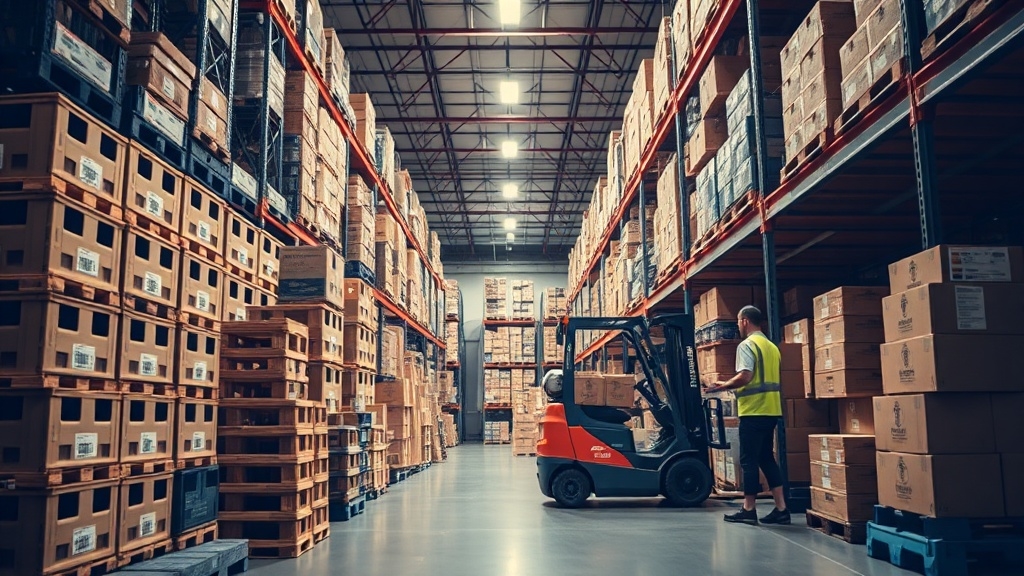
When you buy into a franchise, you're not just buying a brand name and a business plan; you're buying into a complex, interconnected system. At the very heart of this system lies the supply chain—the invisible yet indispensable network that moves products, ingredients, and materials from a source to your storefront. For a prospective franchisee in the Philippines, a country of sprawling islands and unpredictable logistics, scrutinizing this supply chain isn't just a box-ticking exercise. It is one of the most critical acts of due diligence you will perform.
A flashy brand can mask a brittle, expensive, or unreliable supply chain. When deliveries are late, when the quality of goods is inconsistent, or when costs unexpectedly skyrocket, it’s your bottom line and your reputation that are on the line. The dream of running a successful local branch of a beloved brand can quickly turn into a logistical nightmare of stockouts, customer complaints, and shrinking profits.
Therefore, understanding how to dissect and evaluate a franchisor's supply network is paramount. It’s about looking past the glossy marketing and asking the hard questions. How resilient is this network? Is it fair and cost-effective? Is it designed for the franchisor’s profit or the franchisee’s success? This guide will walk you through the essential steps to assess the quality and cost of a franchise's supply chain in the unique context of the Philippines.
The Anatomy of a Franchise Supply Chain
Before you can assess it, you must understand its components. A franchise supply chain is the entire process of sourcing, producing, and delivering the goods necessary for you to operate. This typically includes:
- Approved Suppliers: These are the vendors and manufacturers that the franchisor has vetted and contractually approved. You will be required to purchase key items exclusively from them.
- Commissary or Central Kitchen: Often seen in food franchising, this is a central facility owned or operated by the franchisor that prepares semi-finished products (e.g., sauces, marinated meats, dough) for delivery to franchisees.
- Logistics and Distribution: This refers to the actual transportation—the network of trucks, ships, and warehouses that ensures products reach your outlet, whether you're in Metro Manila or a provincial city.
- Inventory and Ordering Systems: The technology and processes you will use to place orders, track stock, and manage your inventory.
The core principle of this structure is uniformity. Every branch must offer the same customer experience, and that consistency starts with the supplies. The franchisor centralizes procurement to ensure quality control, maintain brand standards, and leverage bulk purchasing power. However, this centralized control is also where potential weaknesses and hidden costs can lie.
Evaluating Supply Chain Quality
Quality in a supply chain isn't just about the final product; it's about the reliability, consistency, and resilience of the entire system. A breakdown at any point can cripple your daily operations.
Supplier Vetting and Accreditation
A franchisor’s strength is often reflected in its choice of partners. You need to investigate the quality and reliability of the companies supplying the network.
- Who Are the Suppliers? Ask for a list of the key accredited suppliers. Are they established companies with a strong track record in the Philippines, or are they new, unknown entities? A supply chain built on reputable, long-standing local businesses is often more stable.
- Quality Control Measures: How does the franchisor ensure suppliers adhere to quality standards? Do they conduct regular audits of their facilities? For food franchises, are their suppliers HACCP (Hazard Analysis Critical Control Point) certified or compliant with regulations from the Food and Drug Administration (FDA) of the Philippines?
- The Logic Behind Exclusivity: Franchisors mandate the use of specific suppliers to protect brand integrity and ensure consistency. This is a standard and often necessary practice. Understanding the logic behind approved suppliers is crucial to grasping the franchisor’s operational philosophy. It ensures that the adobo in their Luzon branch tastes exactly the same as the one in their Mindanao branch.
Logistics and Distribution Network
In an archipelago like the Philippines, logistics can make or break a business. A brand with a solid presence in Manila may have a completely untested supply line to Cebu or Davao.
- Geographic Reach and Reliability: Does the franchisor have a proven track record of delivering to the specific province or island where you plan to operate? Ask existing franchisees in remote locations about their experience. Are deliveries consistently on time?
- Contingency Planning: What happens when a typhoon hits and transport routes are cut off? This is not a matter of if but when in the Philippines. Does the franchisor have backup suppliers or alternative logistics plans? A resilient supply chain has built-in redundancies. Ask about their plans for disruptions, from natural disasters to labor strikes at ports.
- Cold Chain Management: For food and beverage franchises, maintaining the cold chain is non-negotiable. A failure here leads to spoilage, financial loss, and serious health risks. Investigate the franchisor's cold storage facilities and refrigerated delivery vehicles. Are they well-maintained? Do they use temperature monitoring systems?
Technology and Systems
An efficient supply chain runs on modern technology. Outdated systems can lead to ordering errors, poor inventory management, and a lack of transparency.
- Ordering Platform: Is the ordering process streamlined through a modern online portal, or is it an archaic system of emails and phone calls? A good system provides real-time visibility into stock availability and order status.
- Inventory Management: The franchisor should provide guidance and tools for effective inventory management. This helps you minimize waste, prevent stockouts, and optimize cash flow. Does the recommended POS (Point of Sale) system integrate with inventory management?
Analyzing Supply Chain Cost
A high-quality supply chain is of little use if it's so expensive that it drains your profitability. You must meticulously dissect the cost structure to understand the true price of the goods you'll be required to buy.
Transparency in Pricing
The single most important factor here is transparency. A franchisor should be able to provide you with a clear and detailed price list for all the proprietary products and key supplies you must purchase from their network.
- Markups and Rebates: This is a critical area to investigate. Franchisors often earn a significant portion of their revenue from the sale of supplies to their franchisees. This can be through direct markups or through undisclosed rebates they receive from accredited suppliers. While this is a standard business practice, the extent of it matters. If the prices you are required to pay are significantly higher than what you could source locally for comparable non-proprietary items, it can severely impact your margins.
- Price Fluctuation: How often do prices change? Is there a contractual cap on how much prices can increase annually? In an inflationary environment, understanding how the franchisor handles rising costs is vital. Ask about the mechanism for price adjustments and how they are communicated to franchisees. This knowledge is key to learning how to manage rising operational costs before they become a major issue.
Hidden and Associated Costs
The sticker price of supplies is just one part of the equation. You must also account for other associated charges.
- Delivery and Freight Charges: Are delivery fees included in the product cost, or are they billed separately? These costs can be substantial, especially for locations outside major urban centers. Get a clear schedule of freight charges for your specific area.
- Minimum Order Requirements: Are there minimum quantities you must order? This can impact your cash flow and storage needs. A high minimum order requirement might force you to tie up significant capital in inventory, increasing the risk of spoilage for perishable goods.
- Handling and Warehouse Fees: Some franchisors may charge additional fees for warehousing or handling, especially if they operate a central commissary. Ensure these are clearly itemized.
Performing Your Due Diligence
Theoretical knowledge is good, but on-the-ground validation is better. This is where you roll up your sleeves and become an investigative journalist.
Questioning the Franchisor
During your discovery day and subsequent meetings, you need to be prepared with a targeted list of questions. Be polite but persistent. Vague answers are a red flag. Bringing a list of the top questions to ask a franchisor can keep you focused and ensure you cover all critical areas, including the supply chain.
Key questions should include:
- "May I see the current price list for all proprietary and mandated supplies?"
- "What are your delivery schedules and freight costs for my proposed location in [Your Target City/Province]?"
- "Can you describe a time the supply chain was disrupted (e.g., by a typhoon) and how the company supported its franchisees?"
- "What percentage of a franchisee's total cost of goods sold typically comes from mandated suppliers?"
- "Do you, the franchisor, receive rebates from any of the accredited suppliers?"
Talking to Existing and Former Franchisees
This is arguably the most valuable part of your research. Franchisors will naturally present their system in the best possible light. Current franchisees will give you the unvarnished truth.
- Seek Out a Range of Voices: Talk to franchisees in different locations—both in bustling cities and in more remote provincial areas. Talk to new franchisees and those who have been in the system for years.
- Ask Specific, Open-Ended Questions:
- "How would you describe your experience with the supply chain in terms of reliability and cost?"
- "Have you ever experienced a stockout of a critical item? How was it resolved?"
- "Do you feel the prices you pay for supplies are fair compared to market rates?"
- "Are deliveries generally on time and complete?"
- "How does the franchisor communicate price increases or changes to the supply system?"
The Franchise Agreement: Your Legal Blueprint
Finally, all verbal promises and assurances must be reflected in the franchise agreement. This legal document governs your entire relationship with the franchisor, and the clauses related to the supply chain are among the most important.
It is highly recommended that you have a lawyer, preferably one familiar with Philippine franchise law, review the document. However, you should personally scrutinize the sections covering:
- Approved Supplier Obligations: The agreement will legally bind you to purchase from designated suppliers. Check for any flexibility. Are you allowed to source non-critical items (e.g., cleaning supplies, generic office supplies) from local vendors?
- Pricing and Payment Terms: The contract should specify the terms of payment for supplies. Look for clauses related to price changes. Does the franchisor have the right to change suppliers and prices at their sole discretion without notice?
- Delivery and Logistics: The agreement may outline the responsibilities of the franchisor in getting goods to you, but it might also place much of the liability on the franchisee once the goods leave the warehouse.
The franchise agreement is a dense, legally complex document. Taking the time to properly read and understand your franchise agreement is not just a suggestion; it's an absolute necessity to protect your investment.
Conclusion: The Unseen Foundation of Your Success
Choosing a franchise is one of the most significant investments you'll ever make. While the allure of a popular brand and the promise of a proven business model are powerful motivators, your ultimate success or failure can hinge on the unseen foundation of the supply chain.
In the Philippines, a country known for its vibrant economy but also its logistical challenges, a robust, efficient, and fairly-priced supply chain is not a luxury—it is the engine of a healthy franchise. By conducting thorough research, asking tough questions, and speaking directly with those already in the system, you can look behind the curtain. You can assess whether the supply chain is a source of strength that will support your growth or a potential vulnerability that could compromise your business. Do not leave it to chance. Your future as a franchisee depends on it.
