
Your Franchise Location Isn't Working: Options and Strategies
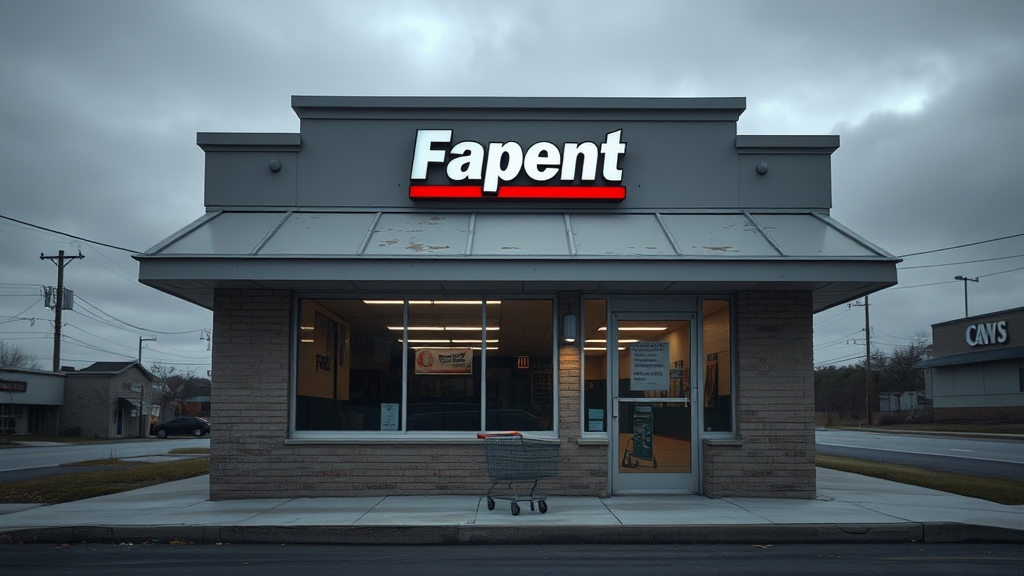
The polished storefront that once represented your entrepreneurial dreams now feels like a daily reminder of mounting challenges. Despite investing ₱500,000 in what seemed like a prime location, your franchise struggles with sparse foot traffic while competitors just blocks away thrive with consistent customer flow. The harsh reality hits: your carefully chosen location isn't delivering the results you projected, and every month of declining sales threatens your investment's viability.
Recent Philippine franchise performance data reveals that location-related challenges account for approximately 40% of franchise underperformance during the first two years of operation. This sobering statistic reflects the complex interplay between site selection, market dynamics, and operational execution that determines franchise success. Understanding why locations fail—and more importantly, what strategic options exist for recovery—becomes crucial for protecting your investment while building sustainable business success.
The resurgence of location analytics and market intelligence has empowered franchise owners to make more informed decisions about site optimization, relocation strategies, and operational adjustments. Modern franchisees who approach location challenges systematically, combining data-driven analysis with strategic thinking, often transform struggling operations into profitable ventures through targeted interventions and professional guidance.
Diagnosing Location-Related Performance Issues
Traffic Pattern Analysis and Market Dynamics
Understanding why your franchise location underperforms requires systematic analysis of traffic patterns, customer demographics, and competitive factors that influence business viability. Foot traffic measurement provides objective data about potential customer volume while revealing patterns that may not align with initial projections or franchisor estimates.
Philippine consumer behavior exhibits distinct patterns influenced by transportation infrastructure, shopping habits, and cultural preferences that significantly impact location performance. Jeepney routes, mall proximity, and parking availability often determine customer accessibility more than simple population density calculations suggest. Many franchise owners discover that their locations attract different customer segments than originally anticipated, requiring operational adjustments to align with actual market conditions.
Seasonal variations in traffic patterns prove particularly pronounced in Philippine markets, where weather, school schedules, and holiday cycles create distinct peaks and valleys in customer activity. Understanding these patterns helps distinguish between temporary challenges and fundamental location problems that require strategic intervention.
Effective local demographics analysis reveals whether location challenges stem from poor site selection or inadequate market penetration strategies that can be addressed through operational improvements.
Competitive Landscape Assessment
Direct competitor analysis helps identify whether location challenges result from market saturation or superior competitive positioning that captures available customer demand. Many struggling franchises discover that established competitors have built customer loyalty over years, requiring extended timeframes and strategic differentiation to capture meaningful market share.
Indirect competition from alternative shopping destinations, entertainment venues, or transportation changes can significantly impact franchise performance without obvious connection to your specific business category. Understanding these broader competitive dynamics helps evaluate whether location challenges represent temporary market shifts or permanent structural problems.
Conducting comprehensive local competitor scan activities reveals effective positioning strategies while identifying opportunities for differentiation through superior service, unique offerings, or enhanced customer value propositions.
Strategic Options for Location Optimization
Operational Adjustments and Market Repositioning
Before considering drastic measures like relocation, many location challenges can be addressed through strategic operational adjustments that better align with actual market conditions. Service hour optimization based on traffic pattern analysis often improves performance by concentrating resources during peak customer periods while reducing costs during slower times.
Product mix adaptation helps optimize offerings for actual customer demographics rather than projected market segments. Many successful franchise recoveries involve operators who identified ways to better serve local preferences while maintaining brand standards and franchisor compliance.
Pricing strategy adjustments may be necessary to compete effectively in markets with different economic conditions than originally projected. Understanding local purchasing power helps determine appropriate pricing levels while maintaining profitability through operational efficiency improvements.
Implementing adapting to local trends strategies helps optimize franchise offerings for actual market conditions while maintaining corporate brand standards and operational consistency.
Marketing and Visibility Enhancement
Enhanced signage and storefront improvements can significantly improve location visibility while attracting customer attention from passing traffic. Many underperforming franchises suffer from inadequate visibility that prevents potential customers from recognizing business presence or understanding service offerings.
Strategic local marketing budget allocation focused on building awareness within the immediate trade area often generates better returns than broad-based advertising campaigns. Community engagement activities, local partnerships, and targeted promotional campaigns help establish market presence while building customer relationships.
Digital marketing optimization proves particularly crucial for franchises in challenging locations, where online visibility can compensate for physical location limitations. Implementing effective social media foot traffic strategies helps drive customers to specific locations while building brand awareness within local markets.
Lease Negotiation and Modification Strategies
Rent Reduction and Terms Adjustment
Performance-based rent negotiations may provide temporary relief while implementing location optimization strategies. Many landlords prefer maintaining occupancy with reduced rent rather than facing vacancy costs and tenant search expenses, particularly for established franchises with strong brand recognition.
Lease modification requests might include reduced square footage, shared common area costs, or percentage rent arrangements that align rental expenses with actual business performance. These modifications require careful negotiation while maintaining positive landlord relationships that support long-term business success.
Understanding negotiating commercial lease principles helps franchise owners optimize rental arrangements while protecting their interests during challenging performance periods.
Temporary rent relief programs offered by some landlords during economic uncertainty or market disruption provide opportunities for franchises to stabilize operations while implementing improvement strategies. These arrangements typically require demonstrating commitment to long-term tenancy and operational improvement plans.
Subletting and Space Optimization
Subletting portions of franchise space to complementary businesses can reduce rental costs while potentially increasing customer traffic through shared customer bases. These arrangements require franchisor approval and careful tenant selection to ensure compatibility with brand standards and operational requirements.
Space reconfiguration may optimize layout efficiency while reducing rental costs through downsizing arrangements that maintain operational capability. Many franchises discover they can operate effectively in smaller spaces with improved layout design and operational efficiency.
Shared space arrangements with compatible businesses create opportunities for cost reduction while potentially enhancing customer experience through complementary service offerings. These partnerships require careful planning to ensure mutual benefit while maintaining franchise brand integrity.
Relocation Strategies and Implementation
Site Selection and Market Analysis
Comprehensive market research for potential relocation sites should incorporate lessons learned from current location challenges while identifying markets with better alignment between franchise concept and customer demand. This research must consider site selection and location factors that influence long-term viability rather than just immediate availability.
Demographic analysis for potential new locations should focus on customer segments that align with franchise offerings while ensuring adequate market size to support sustainable operations. Understanding local economic conditions, competition levels, and growth trends helps evaluate long-term location viability.
Traffic pattern studies for prospective sites help ensure adequate customer flow while identifying potential seasonal variations or accessibility challenges that could impact performance. These studies should include both current conditions and planned infrastructure changes that might affect future accessibility.
Financial Planning and Transition Management
Relocation cost analysis must include moving expenses, lease termination costs, new location setup expenses, and potential revenue loss during transition periods. These costs often exceed initial estimates, making comprehensive financial planning essential for successful relocation execution.
Cash flow management during relocation requires careful planning to maintain operations while funding transition expenses. Understanding managing cash flow principles helps ensure adequate resources for both current operations and relocation activities.
Timeline coordination between lease termination, new location preparation, and operational transition minimizes revenue disruption while ensuring compliance with both landlord and franchisor requirements. Professional project management helps coordinate multiple moving parts while maintaining operational continuity.
Legal Considerations and Franchisor Relations
Franchise Agreement Compliance
Territory rights and restrictions within franchise agreements may limit relocation options while requiring franchisor approval for site changes. Understanding these provisions helps identify viable relocation options while ensuring compliance with contractual obligations.
Site approval processes typically require franchisor evaluation of proposed new locations based on brand standards, market analysis, and operational requirements. Early engagement with franchisor representatives helps streamline approval processes while identifying potential concerns before significant investment in new locations.
Understanding franchise laws and regulations helps ensure compliance with legal requirements while protecting franchisee rights during location transition processes.
Performance standards and support obligations may influence franchisor willingness to approve relocations, particularly if current location challenges stem from factors beyond site selection. Demonstrating commitment to operational excellence helps maintain positive franchisor relationships during transition planning.
Lease Termination and Legal Protection
Early termination clauses in commercial leases may provide options for exiting underperforming locations without full lease obligation penalties. Understanding these provisions helps evaluate relocation feasibility while minimizing financial exposure.
Force majeure considerations related to economic disruption, infrastructure changes, or other external factors may provide legal grounds for lease modification or termination. Recent pandemic-related precedents have expanded interpretation of these clauses in some circumstances.
Professional legal counsel reviewing documents helps ensure proper handling of lease termination while protecting franchisee interests during transition processes.
Alternative Business Model Adaptations
Delivery and Mobile Service Integration
Delivery service expansion can compensate for location limitations by extending market reach beyond immediate trade areas. Understanding how delivery apps impact food business helps optimize these channels while maintaining profitability through efficient operations.
Mobile service options may provide alternatives to fixed location challenges, particularly for service-based franchises that can operate effectively from vehicles or temporary locations. These adaptations require franchisor approval while maintaining brand standards and service quality.
Pop-up location strategies create opportunities for testing new markets while maintaining flexibility for permanent relocation decisions. These temporary arrangements help build customer awareness while evaluating market potential before committing to long-term lease obligations.
Technology Integration and Virtual Services
Online service delivery expands market reach while reducing dependency on foot traffic for revenue generation. Many franchises discover that technology integration creates new revenue streams while supporting traditional location-based operations.
Virtual consultation services provide opportunities for service-based franchises to serve customers regardless of physical location limitations. These services require investment in technology infrastructure while maintaining service quality standards.
Understanding technology tools helps optimize franchise operations while creating alternatives to traditional location-dependent business models.
Financial Recovery and Investment Protection
Performance Monitoring and Optimization
Comprehensive performance tracking helps identify improvement trends while demonstrating progress to franchisors, landlords, and potential investors. Implementing key performance indicators systems provides objective data for strategic decision-making.
Cost optimization strategies focus on improving operational efficiency while maintaining service quality standards. These improvements often generate immediate cash flow benefits while supporting long-term viability regardless of location challenges.
Revenue diversification through additional services, products, or partnerships helps reduce dependency on location-based foot traffic while creating multiple income streams that support business sustainability.
Exit Strategy Considerations
Franchise transfer opportunities may provide alternatives to complete loss while allowing new operators to succeed where current owners have struggled. Understanding transfer agreement requirements helps evaluate this option while maximizing recovery potential.
Asset liquidation planning helps optimize recovery from equipment, inventory, and other business assets if location challenges prove insurmountable. Professional valuation and marketing help maximize asset recovery while minimizing losses.
Understanding exit strategies provides important context for decision-making during challenging periods while ensuring compliance with legal and contractual obligations.
Building Long-Term Location Success
Location challenges represent significant obstacles that test entrepreneurial resilience and strategic thinking, yet many franchise owners successfully overcome these difficulties through systematic analysis, strategic planning, and professional execution. The most successful recovery stories involve operators who combine honest assessment of location limitations with creative solutions that optimize available opportunities.
Prevention through better site selection proves more effective than correction after problems develop. Understanding how to evaluate market research location factors helps future franchise investments avoid common location pitfalls while building stronger operational foundations.
The investment in professional guidance, strategic planning, and systematic improvement often generates returns through enhanced performance, reduced costs, and improved market positioning. Remember that location challenges, while serious, represent temporary obstacles rather than permanent failures when approached with appropriate resources, strategic thinking, and commitment to implementing necessary changes.
Your approach to handling location challenges will ultimately determine whether your franchise becomes a cautionary tale or a success story that demonstrates the power of strategic thinking and professional execution in overcoming significant business obstacles.
