
How to Become a "Training Store" for Your Franchise System
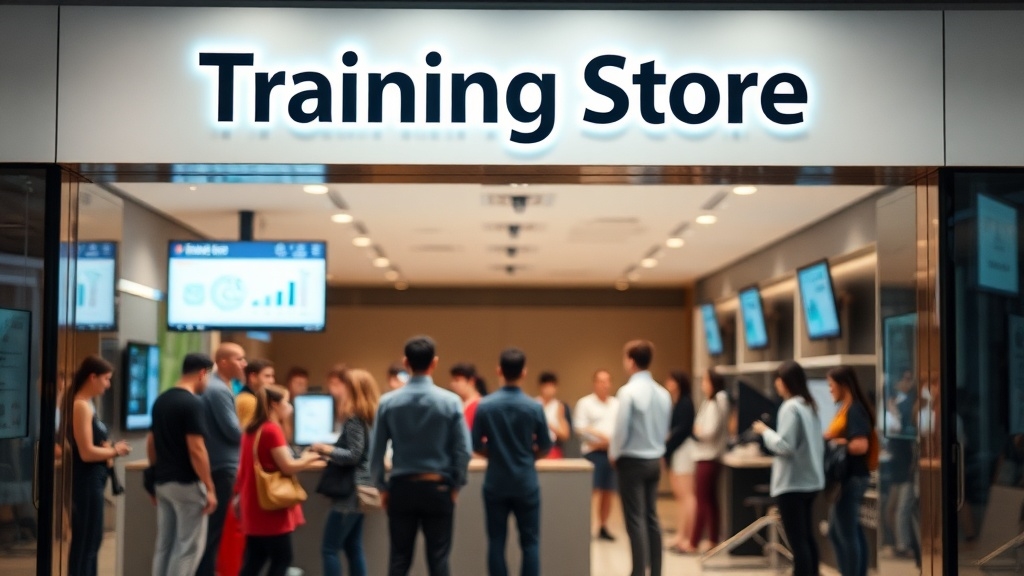
When did Philippine franchise owners stop viewing their stores as mere profit centers and start seeing them as strategic assets within the franchise network? Not too long ago, most franchisees operated under the simple belief that their primary role was to sell products, serve customers, and generate revenue. Today, however, the most ambitious and successful franchise owners are discovering a game-changing opportunity: transforming their locations into training stores—the crown jewels of franchise systems.
The resurgence of training stores as strategic franchise assets reflects a fundamental shift in how Philippine business owners view their role within the broader network. Recent data from the Philippine Franchise Association shows that training stores generate 35% higher profit margins than standard outlets while enjoying 60% lower staff turnover rates. This transformation isn't merely about hosting new franchisees for a few weeks—it's about the strategic elevation of your business into a showcase of operational excellence that drives system-wide improvements and positions your store as an indispensable asset to the franchisor.
Understanding the Training Store Advantage
A training store serves as the operational laboratory where new franchisees learn the intricacies of running their business before opening their own locations. Unlike standard franchise outlets, training stores must maintain impeccable operational standards, implement cutting-edge systems, and demonstrate consistent profitability under real-world conditions. In the Philippine franchise landscape, where personal relationships and mentorship culture run deep, training stores have become the bridge between theoretical knowledge and practical mastery.
The strategic importance extends far beyond the initial training period. Training stores become innovation testing grounds where franchisors pilot new products, systems, and procedures before rolling them out network-wide. This positions training store owners as strategic partners rather than passive operators, creating unprecedented opportunities for influence, growth, and profitability.
The Cultural Context in Philippine Franchising
Filipino business culture places tremendous value on "pakikipagkunware" (mentorship) and "kapamilya" (family-like relationships), making training stores particularly powerful in the local market. New franchisees don't just learn operational procedures—they absorb the cultural DNA of successful business operation through direct observation and hands-on experience. This cultural transmission cannot be replicated through manuals or classroom sessions alone.
Industry leaders note that Philippine franchisees trained in local training stores demonstrate 45% faster profitability compared to those trained at corporate headquarters or international facilities. The combination of familiar cultural context, local market conditions, and peer-to-peer learning creates an optimal training environment that benefits both new franchisees and the hosting store.
The Financial Rewards of Training Store Status
Direct Revenue Streams
Training stores receive substantial compensation for hosting new franchisees, typically ranging from ₱15,000 to ₱50,000 per trainee depending on the franchise system and training duration. With major Philippine franchises training 8-15 new franchisees annually, this creates significant additional revenue streams that directly improve bottom-line performance.
Beyond direct training fees, training stores often receive priority access to new products, enhanced marketing support, and preferential territory expansion opportunities. These benefits compound over time, creating sustainable competitive advantages that standard franchise locations cannot access.
Operational Efficiency Gains
The requirement to maintain showcase-level operations drives training stores to implement best-in-class systems that improve overall efficiency. Training stores typically achieve 25% better inventory turnover, 15% higher sales per square meter, and 40% better customer satisfaction scores compared to network averages. These improvements result from the constant pressure to demonstrate operational excellence to observing trainees.
The need to systematize operations for training purposes forces owners to document procedures, implement quality controls, and optimize workflows in ways that benefit day-to-day operations. Many training store owners report that systematizing their business for training purposes led to operational breakthroughs they never would have achieved otherwise.
Qualification Requirements and Standards
Operational Excellence Prerequisites
Franchisors maintain stringent criteria for training store selection, typically requiring 18-24 months of exceptional performance before consideration. Key qualification metrics include consistent profitability, outstanding customer satisfaction scores, exemplary brand standard compliance, and demonstrated leadership in local market conditions.
Financial stability represents another crucial requirement. Training stores must demonstrate strong cash flow management, timely royalty payments, and sufficient working capital to handle the additional operational demands of hosting trainees. The financial scrutiny reflects the franchisor's need to ensure that training stores can maintain operations while dedicating resources to trainee development.
Infrastructure and Facility Requirements
Physical infrastructure must support expanded capacity during training periods. This includes adequate space for additional staff, appropriate technology systems for demonstration purposes, and enhanced security measures to protect proprietary information. Many training stores invest ₱200,000 to ₱500,000 in facility upgrades to meet franchisor requirements.
Technology infrastructure becomes particularly critical, as training stores must demonstrate advanced POS systems, inventory management capabilities, and digital marketing implementations that represent the franchise system's technological evolution. This often requires effective staffing and HR management capabilities that exceed standard operational requirements.
The Application and Selection Process
Building Your Case for Selection
The journey toward training store status begins with consistent operational excellence over an extended period. Successful applicants typically demonstrate top-quartile performance across multiple metrics including sales growth, profit margins, customer satisfaction, and brand standard compliance. This requires maintaining detailed performance documentation that clearly illustrates your store's superiority within the franchise network.
Community leadership and local market influence factor heavily in selection decisions. Franchisors prefer training stores that serve as market leaders and community anchors, as these characteristics enhance the credibility and impact of the training experience. This includes active participation in local business organizations, community events, and franchise system initiatives.
The Formal Application Process
Most franchise systems require comprehensive applications that include financial statements, operational assessments, facility evaluations, and detailed business plans for training store operation. The application process typically spans 6-12 months and includes multiple site visits, financial audits, and management interviews.
Reference checks from corporate support teams, fellow franchisees, and local business partners play crucial roles in the selection process. Building strong relationships throughout the franchise network becomes essential for generating the positive recommendations that support training store applications.
Infrastructure Development and Investment
Physical Space Modifications
Training stores require specialized layouts that accommodate both regular operations and training activities. This often involves creating observation areas, demonstration stations, and meeting spaces that don't interfere with customer service delivery. The investment typically ranges from ₱300,000 to ₱800,000 depending on store size and existing infrastructure.
Technology upgrades represent another significant investment area. Training stores must implement state-of-the-art systems that demonstrate best practices while providing hands-on learning opportunities for trainees. This includes advanced POS systems, inventory management software, customer relationship management tools, and digital marketing platforms that showcase the franchise system's technological capabilities.
Staffing and Human Resource Considerations
Operating a training store requires expanded staffing to handle both regular operations and training responsibilities. This typically involves hiring training coordinators, senior staff members capable of mentoring trainees, and additional operational support to maintain service levels during training periods.
Performance reviews become more sophisticated in training stores, as staff members must demonstrate teaching capabilities alongside operational competence. The elevated staffing requirements often increase labor costs by 15-25%, but this investment is typically offset by training fees and improved operational efficiency.
Training Program Development and Implementation
Curriculum Design and Delivery
Training stores must develop comprehensive curricula that cover all aspects of franchise operation while reflecting local market conditions and cultural considerations. This involves collaborating with corporate training teams to customize standard programs for the Philippine market context.
Hands-on learning modules form the core of effective training programs, allowing new franchisees to experience real-world challenges under expert guidance. This includes managing cash flow, handling difficult customer situations, implementing promotional campaigns, and navigating supplier relationships in realistic business environments.
Quality Assurance and Continuous Improvement
Training stores must maintain rigorous quality standards for both operational performance and training delivery. This involves regular assessments from corporate teams, feedback collection from trainees, and continuous program refinement based on training outcomes and business results.
Documentation and standardization become critical success factors, as training stores must demonstrate replicable processes that can be adapted by new franchisees across diverse market conditions. This systematic approach to building customer loyalty and operational excellence becomes a competitive advantage for the training store itself.
Managing Dual Responsibilities: Operations and Training
Balancing Customer Service and Training Activities
The challenge of maintaining exceptional customer service while hosting trainees requires sophisticated operational planning and staff management. Training stores must develop systems that allow trainees to observe and participate in operations without compromising the customer experience that drives business success.
Scheduling coordination becomes particularly complex, as training activities must align with peak business periods to provide realistic learning experiences while ensuring adequate staffing for customer service delivery. Many successful training stores implement structured rotation systems that maximize learning opportunities while maintaining operational efficiency.
Resource Allocation and Time Management
Training store owners must allocate resources between profit-generating activities and training responsibilities in ways that optimize both revenue streams. This requires sophisticated financial planning and operational flexibility that exceeds standard franchise requirements.
Time management challenges intensify when hosting multiple trainees or conducting extended training programs. Successful training store owners develop delegation systems and operational hierarchies that distribute training responsibilities while maintaining owner oversight and quality control.
Building Strategic Relationships Within the Franchise Network
Franchisor Partnership Development
Training store status creates opportunities for enhanced collaboration with corporate teams on system-wide initiatives including new product development, operational improvements, and strategic planning. This partnership often extends beyond training activities to include consulting relationships and advisory roles that influence franchise system direction.
Regular communication with corporate leadership becomes essential for staying informed about system developments and positioning your training store for maximum impact. This includes participation in franchisor meetings, contribution to policy development, and collaboration on marketing initiatives that benefit the entire network.
Peer Relationship and Network Influence
Training stores often become hub locations for franchise network activities including regional meetings, product launches, and system celebrations. This increased visibility creates opportunities for thought leadership and influence within the franchise community that extends far beyond individual store operations.
Mentorship relationships with new franchisees continue long after formal training periods, creating lasting networks of mutual support and collaboration. These relationships often lead to business opportunities including multi-unit development partnerships and joint ventures that leverage collective experience and resources.
Technology Integration and Innovation Leadership
Showcasing Advanced Systems
Training stores must demonstrate cutting-edge technology implementations that represent the franchise system's technological evolution. This includes advanced point-of-sale systems, customer relationship management platforms, inventory management software, and digital marketing tools that new franchisees will implement in their own locations.
Innovation testing opportunities allow training stores to pilot new technologies and systems before network-wide deployment. This positions training store owners as technology leaders while providing early access to tools that create competitive advantages in local markets.
Digital Training Delivery
Modern training stores increasingly incorporate digital learning platforms and virtual reality training modules that enhance traditional hands-on instruction. These technological capabilities require additional investment but create opportunities for remote training delivery and expanded training capacity that increase revenue potential.
Data analytics capabilities become essential for demonstrating training effectiveness and operational excellence. Training stores must implement comprehensive tracking systems that measure both business performance and training outcomes to justify their strategic value to franchisors.
Financial Planning and ROI Analysis
Investment Requirements and Payback Periods
The total investment for training store development typically ranges from ₱500,000 to ₱1.5 million including facility modifications, technology upgrades, additional staffing, and working capital requirements. However, the payback period generally falls within 18-24 months due to training fees, operational improvements, and enhanced franchisor support.
Cash flow management becomes more complex due to the irregular nature of training income and the additional operational expenses required to maintain training store standards. Successful training store owners develop sophisticated financial planning systems that account for these variables while maintaining profitability during both training and non-training periods.
Long-term Value Creation
Beyond immediate financial returns, training store status creates long-term value through enhanced franchisor relationships, expansion opportunities, and increased business valuation. Training stores often command premium prices in resale situations due to their strategic importance within franchise networks.
Exit strategy implications become particularly favorable for training store owners, as franchisors often prefer to maintain training store operations rather than risk disruption from ownership changes. This creates opportunities for favorable succession planning and strategic exits that maximize owner returns.
Risk Management and Mitigation Strategies
Operational Risk Considerations
Training stores face unique operational risks including confidentiality breaches, competitive intelligence exposure, and increased liability from hosting trainees. These risks require enhanced security measures, comprehensive insurance coverage, and detailed legal protections that exceed standard franchise requirements.
Quality control risks intensify due to the constant observation from trainees and corporate representatives. Training stores must maintain consistently high standards without the flexibility to experience normal operational fluctuations that other locations might manage privately.
Financial and Strategic Risk Management
Revenue concentration risks emerge from dependence on training income that may fluctuate based on franchisor expansion plans and market conditions. Successful training stores diversify their value proposition through multiple revenue streams and operational excellence that ensures profitability regardless of training activity levels.
Relationship risks with franchisors require careful management, as training store status depends on maintained corporate relationships and continued system growth. Building multiple stakeholder relationships and demonstrating consistent value helps mitigate these dependencies.
Measuring Success and Continuous Improvement
Performance Metrics and KPIs
Training stores must track sophisticated performance metrics that measure both operational success and training effectiveness. This includes traditional business metrics alongside training-specific indicators such as trainee satisfaction scores, knowledge transfer effectiveness, and post-training franchisee success rates.
Benchmark analysis against both training store peers and standard franchise locations provides insights into performance optimization opportunities. Regular assessment helps identify areas for improvement while demonstrating value to franchisors during renewal discussions.
Innovation and Best Practice Development
Training stores serve as innovation laboratories where new operational practices, training methodologies, and business improvements are developed and tested. This role requires continuous learning, experimentation, and knowledge sharing that benefits both the individual store and the broader franchise network.
Documentation and dissemination of best practices becomes a key responsibility, as successful innovations at training stores often become system-wide standards. This contribution to franchise system evolution creates additional value and strengthens the strategic partnership with franchisors.
Future Trends and Evolution
Digital Transformation Impact
The evolution toward digital training delivery and virtual learning platforms is reshaping training store requirements and opportunities. While traditional hands-on training remains valuable, training stores must adapt to hybrid learning models that combine physical and digital instruction methods.
Artificial intelligence and automated training systems are beginning to supplement human instruction, requiring training stores to integrate these technologies while maintaining the personal touch that makes Philippine franchise training effective. This technological evolution creates opportunities for expanded training capacity and improved learning outcomes.
Network Expansion and Scalability
As Philippine franchise systems continue expanding, the demand for additional training stores creates opportunities for existing training store owners to develop multi-location training operations or consulting services that leverage their expertise across broader geographic areas.
International expansion of Philippine franchise brands creates opportunities for training store owners to export their expertise and potentially develop overseas training facilities that serve regional markets. This global perspective adds another dimension to the strategic value of training store development.
The resurgence of training stores as strategic franchise assets reflects the evolution of Philippine franchising from simple business replication to sophisticated system development. Franchise owners who successfully transition to training store status don't just operate better businesses—they become architects of system-wide excellence whose influence extends far beyond their individual locations.
As the Philippine franchise industry continues maturing and expanding both domestically and internationally, training store owners will find themselves at the forefront of industry evolution. The combination of operational excellence, strategic partnerships, and innovation leadership positions them not just as successful business owners, but as industry leaders whose contributions shape the future of Philippine franchising.
The journey toward training store status demands significant investment, unwavering commitment to excellence, and sophisticated operational capabilities. However, for franchise owners willing to embrace this challenge, the rewards extend far beyond immediate financial returns to include strategic influence, industry leadership, and the satisfaction of developing the next generation of successful franchise entrepreneurs.
