
"Build vs. Buy": Building a New Franchise Unit vs. Buying a Resale
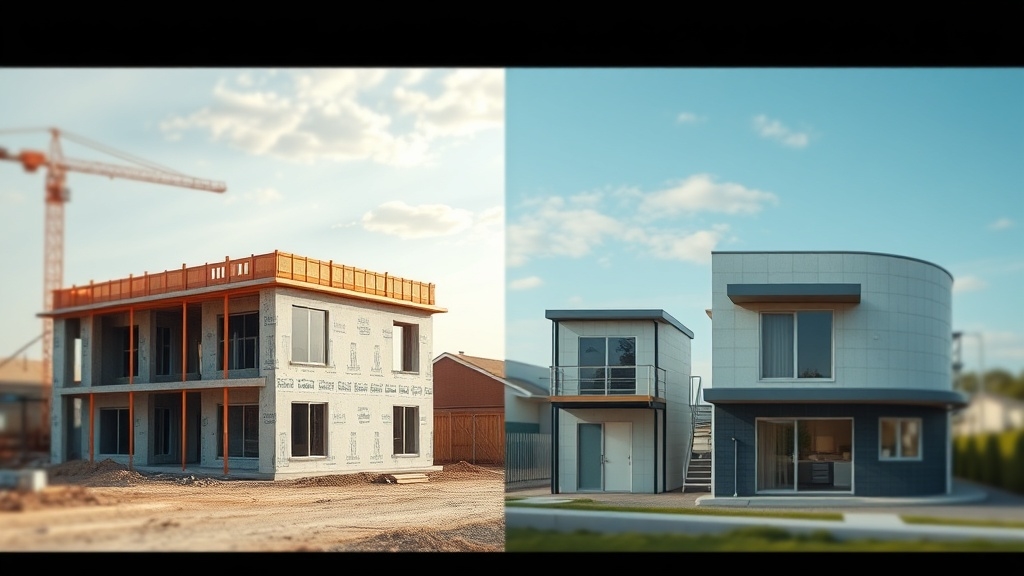
The Philippine franchise landscape is in a perpetual state of energetic, almost feverish, growth. Walk through any major city, and you’ll see the evidence plastered on every commercial block: the familiar logos of food giants, the inviting glow of new milk tea shops, and the crisp branding of service centers. Industry insiders project the sector’s revenues to continue their upward climb, fueled by a young population and rising consumer spending. For the aspiring entrepreneur, franchising has long been seen as the most secure path to business ownership, a way to buy into a proven system.
This has always led to a foundational question: do you build from the ground up, or do you buy a business someone else has already started? For years, the prevailing wisdom romanticized the "build" option. It represented a fresh start, a clean slate, the thrill of a grand opening with red ribbons and fresh paint. Buying a "resale" franchise, on the other hand, was often viewed with suspicion—a move akin to buying a used car without checking under the hood. Why would anyone sell a profitable business? The assumption was that you were likely inheriting someone else's failure.
But in a maturing market, that narrative is being rewritten. A growing cohort of savvy entrepreneurs is looking past the romance of the new and seeing the strategic brilliance of the takeover. The decision is no longer just "new vs. used" but has evolved into a complex analysis of risk, speed, and data. This isn't about avoiding the hard work of a startup; it's about choosing a different kind of work—the meticulous, data-driven work of an optimizer over the speculative work of a pioneer. The "resale," once the underdog of franchise acquisition, is having its comeback moment.
The Case for "Building": The Power of a Blank Canvas
The dream of cutting the ribbon on a brand-new store is a powerful one. Building a franchise unit from scratch offers the ultimate sense of creation and control, an opportunity to shape a business from its very foundations. This path is for the visionary, the entrepreneur who wants their fingerprints on every aspect of the launch.
The most significant advantage is site selection. You, in partnership with the franchisor, get to pick the perfect spot. You’re not tied to a previous owner's decision made years ago. You can be on the frontier of a newly developed township in Cavite, capture the foot traffic of a new BPO tower in Iloilo, or position yourself perfectly in a residential community that is just now hitting a critical mass of your target demographic. This allows for an unparalleled level of strategic positioning, aligning the location with the most current market data. A methodical approach to location-specific market research becomes your greatest asset, transforming a gut feeling about a good corner into a data-backed certainty.
With a new build, everything is pristine. The equipment is under warranty, the layout is optimized to the franchisor’s latest design standards, and the staff is hired and trained by you, steeped in the desired culture from day one. There are no ghosts in the machine—no lingering bad reputation from a previous owner, no outdated POS systems, and no disgruntled long-term employees resistant to change. You are launching the brand’s ideal version of itself.
However, this "blank canvas" comes with its own set of significant risks, particularly within the Philippine context. The timeline is the first major variable. The journey from signing the franchise agreement to opening the doors is often long and fraught with potential delays. Sourcing materials, navigating the labyrinthine process of securing local government permits—from the barangay clearance to the mayor’s business permit—and managing construction crews can easily push a timeline back by months, all while capital is tied up and not generating revenue. Budget overruns are not just a risk; they are practically a feature of any new construction project. The price of steel, the cost of labor, unforeseen site issues—these can quickly inflate your initial investment beyond your projections.
The Case for "Buying": The Strategic Takeover
Buying an existing franchise, or a resale, represents a fundamental shift in mindset from creation to optimization. Instead of navigating the uncertainties of a launch, you are acquiring a functioning economic engine. The appeal is rooted in one powerful concept: predictability.
The number one advantage is immediate cash flow. From the day you take over, the business is already generating revenue. There is an existing customer base that knows the location, has a relationship with the brand, and has integrated it into their daily or weekly routines. You bypass the grueling "ramp-up" period of a new store, that white-knuckle stretch of months where you bleed marketing money just to build awareness.
Furthermore, a resale offers what a new build never can: a verifiable performance history. You are not working off projections and forecasts; you are analyzing actual financial statements, tax filings, and sales reports. You can see the business's seasonality, its peak hours, and its sales trends with empirical clarity. This historical data is invaluable, allowing you to make a much more informed decision and often making it easier to secure financing, as banks are more comfortable lending against a proven, cash-generating asset.
The operational infrastructure is also a huge draw. The staff is trained, the suppliers are in place, and the daily workflow is established. While this can present its own challenges, it means you’re not starting from zero. You can focus your energy on improving operations, marketing, and customer service rather than simply getting the lights on.
Of course, the primary risk of a resale is inheriting hidden problems. It is absolutely critical to understand the seller's true motivation. Are they retiring or moving abroad, as is often claimed? Or are they getting out because of declining sales, a major new competitor, or a looming rent increase? A shoddy reputation can be difficult to repair, and outdated equipment can represent a significant looming expense. This is where your due diligence becomes a forensic investigation. You need to become an expert on the business you're about to buy, which requires a structured and exhaustive approach to crafting a franchise business plan that accounts for these potential pitfalls.
Due Diligence: The Deciding Factor
Whether building or buying, success hinges on the quality of your homework. The nature of that homework, however, differs dramatically.
For a New "Build"
Your focus is external—on the market and the location.
- Competitor Analysis: You must meticulously map the competitive landscape. Who are the direct and indirect competitors? What are their weaknesses you can exploit? Is there a genuine gap in the market, or is it already saturated? A disciplined framework to analyze your local competitors is not optional; it's essential to prove the viability of a new entry.
- Regulatory Navigation: In the Philippines, this means building relationships and understanding the processes at the city or municipal hall. Delays in permits are common and can be costly. You need a realistic timeline and budget for this phase alone.
- Supply Chain Logistics: Especially for locations outside Metro Manila, you must confirm the franchisor's ability to service your location efficiently. Can they deliver fresh and frozen goods on time and cost-effectively? A weak supply chain can cripple an otherwise promising location.
For a "Buy" (Resale)
Your focus is internal—on the business itself and the seller.
- Financial Forensics: Go beyond the P&L statements provided by the seller. Ask for BIR-stamped tax returns and compare them. Review utility bills, employee payroll records (including SSS, PhilHealth, and Pag-IBIG contributions to check for compliance), and supplier invoices.
- Operational Audit: Spend time in the store incognito. Observe the staff, the customer flow, and the general atmosphere. Are employees engaged or apathetic? Is the store clean and well-maintained?
- The Franchisor Interview: The franchisor must approve you as the new owner. This is a critical step. Use this opportunity to ask them about the store's performance, its history, and any known issues. Having a prepared list of questions to ask the franchisor will demonstrate your seriousness and help you uncover crucial information they may not volunteer. They want successful franchisees, so they have a vested interest in your success, but they also want to facilitate the sale.
The Peso-for-Peso Reality
Financially, the two paths present a trade-off between upfront certainty and operational predictability.
Building a new unit often appears cheaper on paper. You pay the standard franchise fee, and the build-out costs are based on estimates. However, as noted, these costs can easily spiral. You must also budget a substantial amount for initial marketing and have enough working capital to sustain the business for at least six months to a year before it breaks even.
Buying a resale typically comes with a higher initial price tag. You are not just paying for the franchise rights; you are paying a premium for the goodwill, the existing cash flow, and the established infrastructure. The negotiation of this price is a delicate art. However, this higher upfront cost is offset by immediate revenue. Your return on investment, if the business is healthy, can be significantly faster.
Conclusion: Are You a Builder or a Buyer?
The resurgence of the franchise resale as a strategic option marks a maturation in the Philippine entrepreneurial mindset. The choice is no longer a simple one between "new and shiny" and "old and risky."
- Choose to build if you have a high tolerance for ambiguity, a passion for creation, and a unique insight into an untapped market. You are a pioneer, willing to endure the risks of the frontier to build your vision of success from the ground up. This path is for those who trust their ability to execute a perfect launch. When embarking on this journey, the importance of a solid foundation cannot be overstated, and understanding the nuances of the art of site selection is paramount.
- Choose to buy if you are a data-driven operator, a strategist who excels at optimization and efficiency. You prefer to work with known variables, leveraging an existing platform to improve performance and drive growth. You are an optimizer, more comfortable turning a B+ business into an A+ than starting with an unknown grade.
Ultimately, the right path is a reflection of your personality, your financial position, and your appetite for risk. The Philippine franchise boom continues to offer immense opportunity, but the smartest investors are those who look beyond the trends and ask the most fundamental question: What kind of business owner do I want to be?
