
Franchises You Can Run From a "Cloud Kitchen" in Metro Manila
For decades, the Filipino dream of restaurant ownership was tethered to a single, ruinously expensive reality: real estate. The right location—with its crushing monthly rent, heavy foot traffic, and prized visibility—was the non-negotiable price of entry. A great concept in a bad location was a ghost long before its doors even opened. Then came the lockdowns, a period that felt like a death knell for the dining industry but was, in retrospect, the catalyst for its great uncoupling. The restaurant was severed from the dining room.
Suddenly, a new model, once a niche concept whispered about in tech circles, took center stage. The cloud kitchen—also known as a ghost kitchen or virtual restaurant—emerged not just as a pandemic pivot, but as a fundamental re-engineering of the food business. Industry analysis revealed the Philippine food delivery market didn't just grow; it exploded with a 48% year-over-year surge, the fastest in Southeast Asia. A projected $8 billion market by 2025 signaled this wasn't a fluke. It was a revolution.
For aspiring franchisees in Metro Manila, this shift is monumental. It represents the reversal of the old order, offering a path to ownership that sidesteps the biggest financial and logistical hurdles of the past. By operating out of a delivery-only facility, a franchisee can tap into a sprawling urban market without ever greeting a customer face-to-face. This is the new frontier of food franchising, and these are the ventures thriving within it.
The Ghost in the Machine: Why the Cloud Kitchen Model Works
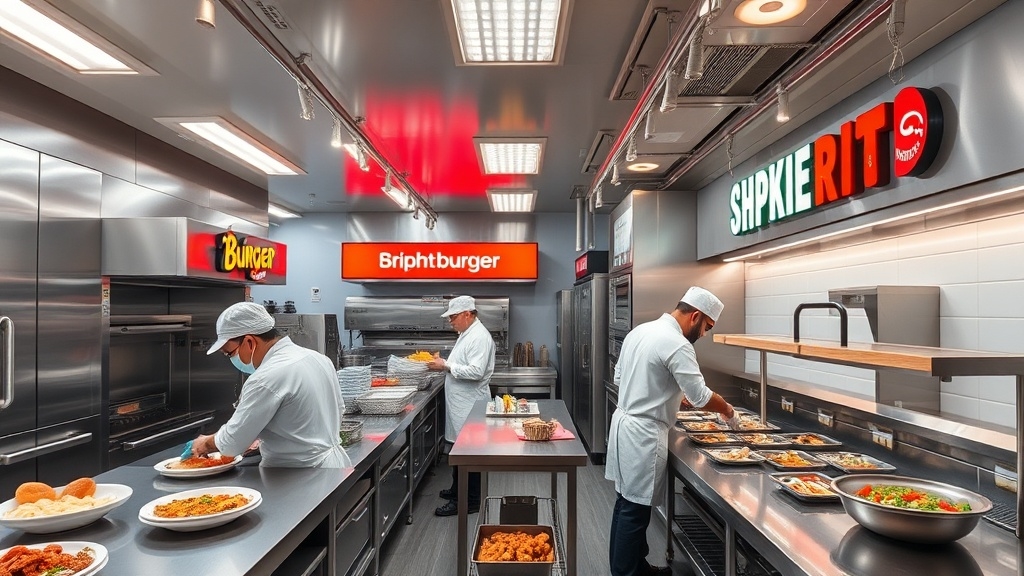
A cloud kitchen is, at its essence, a professional food production facility without a storefront. It’s all back-of-house. Instead of tables, chairs, and waitstaff, you have hyper-efficient kitchen stations optimized for one thing: preparing orders for delivery. These orders come through aggregators like GrabFood and Foodpanda, which have become the new high streets of the digital age.
The appeal for a franchisee is immediate and profound. Startup costs can be 60-70% lower than a traditional restaurant. You’re not paying a premium for a spot in a high-end mall or a busy commercial street. You don’t need to budget for renovations, furniture, or a large customer-facing team. The focus narrows to operational excellence: quality, speed, and consistency.
This leaner model proved its worth almost immediately. One of the pioneering local players, CloudEats, demonstrated the sheer scalability of the concept by managing dozens of kitchens and serving millions of customers across the Philippines and Vietnam from centralized hubs. They proved that a brand could exist powerfully in the minds of consumers and on their phones, without ever needing a physical footprint. This success paved the way for franchising to enter the cloud, offering proven brands without the burden of brick-and-mortar.
The New Franchise Menu: Concepts Built for Delivery
Not all food is created equal when it comes to travel. The most successful cloud kitchen franchises are those whose products survive the journey in the back of a motorcycle and whose concepts are streamlined enough for a purely operational focus.
1. The Specialized Single-Item Concept
Brands that do one thing exceptionally well are naturals for the cloud kitchen environment. Think of concepts centered on wings, burgers, pizza, or specialty rice bowls. This focus simplifies inventory, reduces waste, and allows for mastery of preparation, leading to consistently high-quality output.
- Examples: Virtual brands like Burger Beast or 24/7 Wings, which were developed specifically for the delivery model, showcase this approach. Their menus are tight, their branding is sharp, and their operations are built for speed.
2. The Established Brand Going Digital
Legacy brands have also seen the light, adapting their models for a new era. Filipino fast-food staple Binalot, known for its iconic banana leaf-wrapped meals, cleverly launched a home-based cloud kitchen franchise. This allowed them to penetrate residential communities where their customers were now working and living, without needing a full commercial build-out. This move showed that even established players could innovate and leverage their brand recognition in a new format.
3. The Health-Conscious and Niche Diet Brand
The delivery model is perfect for targeting specific lifestyle niches. The Six Pack Chef, for instance, built a successful franchise as a healthy meal subscription service. Their cloud kitchens prepare and deliver curated, diet-certified meals daily. This business model would be almost impossible in a traditional restaurant setting but thrives in a centralized kitchen that can serve a wide geographic area of health-conscious consumers.
4. The Multi-Brand Operator
More sophisticated franchisees don’t just run one brand from their cloud kitchen; they run several. Operators like Kraver’s Canteen house multiple concepts under one roof—from Tiger Sugar bubble tea to Kyoto Sushi Bake. A franchisee with enough space and operational skill could potentially license two or three non-competing brands, maximizing the efficiency of their kitchen space and labor. This strategy allows for diversified revenue streams, catering to different tastes and times of day from a single rental.
The Due Diligence Revolution: New Rules for a New Game
While the cloud kitchen model removes many old challenges, it introduces new ones. A smart investor knows that the risk hasn't vanished; it has simply changed shape. The due diligence process must evolve accordingly.
- Technology is the New Location: Your success is now tied to a technology stack. How good is the franchisor’s point-of-sale (POS) system? Does it integrate seamlessly with delivery aggregators? How do they handle order management? Before signing anything, you must be rigorously analyzing the franchise’s support systems, with a heavy focus on their tech infrastructure. A brand that hasn’t invested heavily here is setting its franchisees up for failure.
- Marketing is All Digital: Without a storefront, how will customers find you? The franchisor's marketing strategy is paramount. You need a brand that understands digital advertising, social media engagement, and how to manipulate the algorithms of GrabFood and Foodpanda to its advantage. Scrutinize their marketing fund contributions and demand transparency. A thorough process of evaluating the franchisor's marketing support will tell you if they can build a brand that cuts through the digital noise.
- The Partnership is Redefined: The relationship between you and the franchisor is different in a cloud kitchen model. The support you need is less about in-person visits and more about remote, real-time operational and tech support. Understanding the fundamental roles of the franchisor and franchisee in this new context is critical. Are they a true partner in your digital success, or are they just a licensor of a name?
- Your "Why" Still Matters: The lower barrier to entry can be seductive, tempting entrepreneurs to jump into a concept purely for financial reasons. But the core principles of business ownership still apply. The day-to-day grind of managing a kitchen, even a virtual one, requires passion and resilience. The process of choosing a franchise that aligns with your personal and professional values is just as important in the cloud as it is on the ground. A concept that doesn't excite you will quickly become a chore, no matter how efficient the model.
Navigating the Metro Manila Maze
Operating in Metro Manila presents a unique set of opportunities and obstacles. The dense urban population is a massive, hungry market. However, you are utterly dependent on the city's delivery infrastructure. This dependency on third-party platforms is a significant risk. A change in their commission rates or algorithm can directly impact your profitability overnight.
Furthermore, while you don’t need a prime commercial spot, local regulations still apply. Zoning laws can be tricky, and securing the right business permits from the local government unit (LGU) for a commercial kitchen in some areas can be a bureaucratic headache. A good franchisor will have experience navigating this and can provide guidance.
The Future is in the Cloud
The rise of the cloud kitchen franchise is more than a fleeting trend. It is a permanent and powerful new track for entrepreneurship in the Philippines. It democratizes the food industry, making it accessible to those with great operational skills but without access to massive legacy capital.
Success in this space requires a new mindset. The franchisee of tomorrow is not a shopkeeper but a logistics manager, a digital marketer, and a quality control expert rolled into one. They are running a lean, data-driven operation where efficiency is everything. For those willing to master this new model, the opportunity is immense. The final decision, however, still rests on timeless business wisdom. Thoroughly vetting the brand, the system, and the partnership through a comprehensive due diligence checklist is the final, indispensable step before launching your restaurant into the cloud.
