
Evaluating a Franchise's Digital Presence and E-commerce Strategy
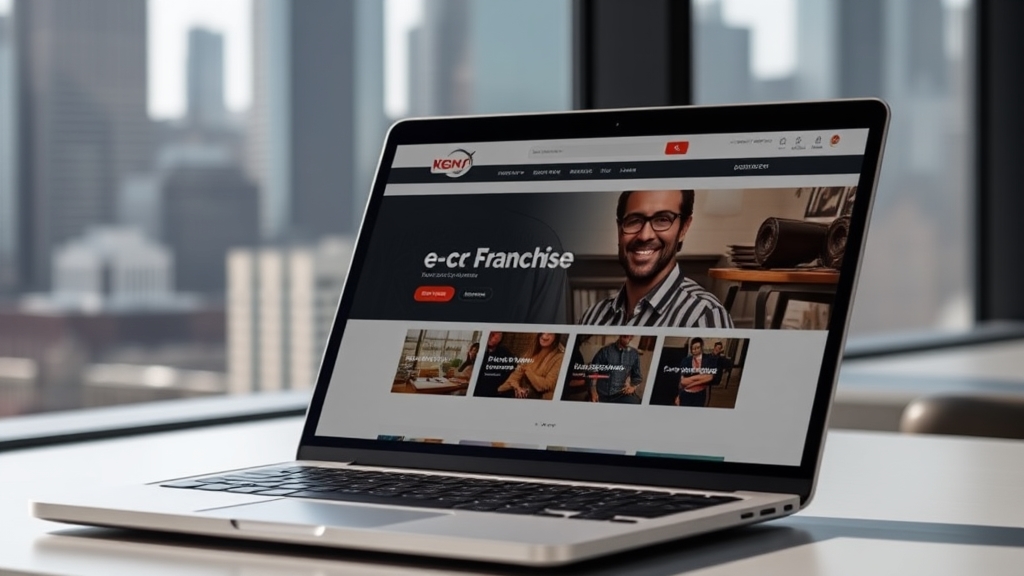
There was a time, not too long ago, when the measure of a franchise's strength in the Philippines was purely physical. You could count it in storefronts, see it in the queue of customers snaking out the door, and feel it in the weight of the paper bag carrying your purchase. A prime location in a bustling mall was the undisputed king, the ultimate signifier of success. That kingdom, however, is crumbling.
The great digital migration, supercharged by the pandemic but already well underway, has irrevocably altered the landscape. Today, a franchise can have a hundred prime locations and still be functionally invisible to a vast, and growing, segment of the Filipino market. The new storefront is a smartphone screen. The new queue is a list of orders on a delivery app. And the new measure of success is a complex, often opaque, digital ecosystem.
The Philippine e-commerce market has seen explosive growth, with projections showing its value rising to tens of billions of dollars in the coming years. This isn't just a trend; it's a fundamental rewiring of Filipino consumer behavior. In this new reality, evaluating a franchise's digital and e-commerce strategy isn't just a box to tick—it's as critical as inspecting its financials or tasting its products. A weak, disjointed, or outdated digital presence is no longer just a flaw; it's a fatal one.
Beyond the "Like" Count: Deconstructing the Digital Storefront
A franchise's digital presence is more than a Facebook page with a smattering of likes. It is the brand’s 24/7 ambassador, its primary discovery tool, and its virtual front door. For a prospective franchisee in the Philippines, scrutinizing this digital architecture is the first order of business.
The Website: The Digital Head Office
First, dismiss the notion of a website as a static online brochure. In 2025, a franchise’s website should be its central operational hub. The critical first test: is it mobile-first? With Filipinos spending a significant portion of their day on mobile devices, a website that isn't optimized for a phone screen is alienating the majority of its potential customers.
A strong franchise website offers seamless functionality. Can a customer easily find the nearest branch in their province, whether it’s in Metro Manila or Metro Cebu? Does it feature an integrated, native ordering system, or does it merely link out to third-party apps? A clunky, slow, or insecure website sends a clear message: the brand doesn’t value its customers' digital experience. It is the online equivalent of a physical store with a broken air conditioner and flickering lights.
Social Media: The Modern Filipino Tambayan
In the Philippines, social media is not just a marketing channel; it’s the fabric of daily life. It’s the modern town square, the digital tambayan where conversations happen, trends are born, and purchasing decisions are heavily influenced. A franchisor’s social media strategy must reflect this reality.
Look beyond vanity metrics. A page with a million followers that posts nothing but generic, corporate-approved promotional materials is a ghost town. The real question is about engagement. Does the brand actively participate in conversations? Do they respond to comments and messages—both positive and negative—in a timely and authentic manner? Are they creating content that resonates with Filipino culture, humor, and values?
Some of the most successful brands understand the nuances of each platform. They use Facebook for community building, Instagram for visually-driven storytelling, and have learned that mastering platforms like TikTok can build immense brand affinity with younger demographics through creative, short-form video content that goes far beyond simple advertising. A brand that isn't actively and intelligently engaging on these platforms is missing the primary pulse of the Filipino consumer.
Search Engine Visibility: Can Customers Find You When It Matters?
When a potential customer in Iloilo City searches “chicken inasal near me” or “laundry shop open now,” which brands appear on top? This isn't magic; it's Search Engine Optimization (SEO), and for a location-based business like a franchise, it’s paramount.
The most fundamental element is the brand’s Google Business Profile. For every single branch, is the information accurate? Are the store hours, contact numbers, and exact location pin correct? A surprising number of franchises fail at this basic task, leading to immense customer frustration and lost sales.
Beyond the basics, a savvy franchisor invests in what’s known as local SEO, ensuring that individual franchise locations rank highly for relevant local searches. This hyper-local visibility is where the digital battle is often won or lost. If a potential franchisee discovers that the brand they’re considering is consistently outranked by local independent competitors in online searches, it should raise a significant red flag about the franchisor's central marketing support.
The E-commerce Engine: The Journey from Cart to Customer
For any franchise dealing in physical goods—from food and beverage to retail products—a robust e-commerce and delivery strategy is the engine of modern growth. In the convenience-driven Philippine market, a frictionless path from browsing to purchase is non-negotiable.
The Delivery Dilemma: In-House vs. Aggregators
The most visible aspect of e-commerce for many is the army of riders in green, pink, and blue. The complex relationship with third-party delivery apps is a critical point of analysis for any potential franchisee. These platforms, like GrabFood and Foodpanda, offer immense reach and marketing power. A brand not present on these apps is invisible to millions of active users.
However, this convenience comes at a steep price. The commission fees charged by these aggregators can be substantial, often taking a whopping 20-30% of the order value. The central question for a franchisee is: how does this impact my bottom line? A franchisor that relies exclusively on these platforms may be passing on an unsustainable cost structure to its franchisees.
More sophisticated franchisors are developing their own proprietary ordering systems, whether through a native app or a highly functional website. This allows them to retain a higher margin, but more importantly, it gives them direct ownership of invaluable customer data—information they can use for targeted marketing and loyalty programs. When evaluating a franchise, test their native ordering system. Is it a seamless, user-friendly experience, or a buggy, frustrating afterthought? The answer reveals the franchisor's long-term commitment to a sustainable digital model.
The Online-to-Offline (O2O) Fusion
The best digital strategies blur the lines between online and offline. How well does the franchise integrate these two worlds? Can a customer order online for in-store pickup? Are online promotions and vouchers honored at the physical location without hassle? A disconnect between the digital and physical realms indicates operational silos and a lack of a unified customer experience strategy. This friction, however small, can be a major deterrent for customers who expect and demand seamless omnichannel convenience.
The Franchisor's Role: A Digital Partner or a Digital Dictator?
A franchisee is not an independent startup; they are buying into a system. Therefore, the level and quality of digital support provided by the franchisor is one of the most important factors for success. This support—or lack thereof—is often the difference between thriving and struggling in the digital age.
Decoding the Tech Stack
When you buy a franchise, you’re also buying into its technology. A forward-thinking franchisor provides an integrated technology suite that empowers its franchisees. This starts with a modern Point-of-Sale (POS) system that does more than just process payments. A robust POS should integrate inventory management, sales analytics, customer relationship management (CRM), and even employee scheduling.
Does the franchisor provide this, or are franchisees left to source their own (often incompatible) systems? A mandated, unified tech stack ensures consistency, provides the franchisor with valuable system-wide data, and allows for the smooth rollout of new digital initiatives. It is crucial to evaluate the franchisor's technology with the same rigor as you would the lease on a physical location. An outdated, fragmented tech system is a sign that the franchisor is not invested in the future.
Transparency in Marketing Funds
Franchisees are typically required to contribute a percentage of their sales to a national marketing fund. A critical question is: where does this money actually go? Is there transparency in how these funds are allocated? In the digital context, this means asking if the fund is being used effectively for digital advertising, SEO, and social media management that directly benefits the franchisees. Or is it being spent on vague "brand-building" exercises with little measurable return for the individual store owner in Batangas or Pampanga? A good franchisor can clearly demonstrate how the central marketing fee translates into local foot traffic and online orders.
Your Digital Due Diligence Checklist
Before signing any agreement, a prospective franchisee must become a digital detective. The answers you find online are often more telling than the polished pitch you receive in a boardroom.
- Become a Digital Customer: Go through the entire customer journey yourself. Place an order on their website. Download and use their mobile app. Try their in-store pickup service. Send a query to their official Facebook page. How quick, easy, and pleasant is the experience? Any friction you feel is a problem that your future customers will also face.
- Read the Online Reviews: Go beyond the star rating. Scour Google Maps, Facebook recommendations, and delivery app reviews for patterns. Are customers consistently complaining about a buggy app? Wrong items in their delivery orders? Unresponsive online customer service? These are not isolated incidents; they are symptoms of a flawed digital system.
- Interrogate the Franchise Disclosure Document (FDD): Look for the fine print regarding digital operations. What are the rules about local social media marketing? Who owns the customer data collected from online orders placed at your location? Are there additional fees for technology upgrades? What are the specific marketing support commitments?
- Talk to Existing Franchisees: This is the most crucial step. Ask them pointed questions about the digital side of the business. "How much support do you actually get from the head office on digital marketing?" "Are the provided technology systems reliable?" "How significantly do delivery app commissions impact your profitability?" Their unvarnished answers will provide a true picture of the digital reality of the franchise.
This digital investigation is a non-negotiable part of your overall due diligence checklist.
In the end, the choice of a franchise is no longer just an investment in a brand name and a physical space. It's a long-term partnership in a complex digital ecosystem. The brands that thrived during the recent economic shifts were not the ones who simply scrambled to get online; they were the ones who had been building their digital foundations for years.
As a prospective Filipino franchisee, your mandate is clear. You must look past the legacy of physical storefronts and critically assess the strength, coherence, and future-readiness of a brand's digital strategy. You are not just buying a business; you are buying into a technology platform and a marketing engine. In the Philippine market of today and tomorrow, your success depends on it.
