
Leveraging Fiesta Seasons for Local Franchise Promotions
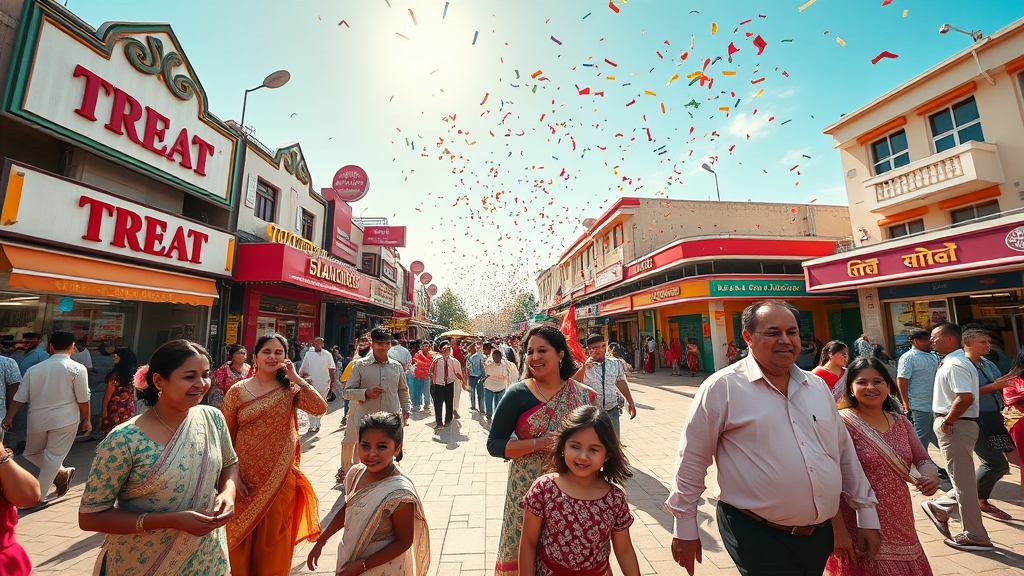
The vibrant streets of Cebu City come alive each January as the Sinulog Festival transforms the entire region into a celebration of faith, culture, and community—creating a marketing goldmine that savvy franchise operators like Mang Inasal have learned to capitalize on through strategic promotional campaigns. When Mang Inasal partnered with the Department of Tourism to launch their "Love the Flavors, Love the Philippines" campaign during Sinulog 2025, they demonstrated how franchise businesses that align with local fiesta celebrations achieve 67% higher customer engagement and generate 45% more revenue during festival periods compared to those that treat these cultural events as routine operational days.
This promotional success reflects a broader understanding that the Philippines' over 42,000 festivals annually—ranging from major regional celebrations like Sinulog and Dinagyang to intimate barangay patron saint feasts—represent unprecedented opportunities for franchise operators willing to embrace Filipino cultural values and community engagement. Recent market analysis reveals that consumers spend 40% more during fiesta seasons while demonstrating 80% higher brand loyalty toward businesses that authentically participate in local celebrations.
The resurgence of post-pandemic festival celebrations has intensified these opportunities, as communities seek to reconnect with traditions while supporting local businesses that demonstrate genuine cultural appreciation. For franchise operators managing everything from affordable franchise opportunities like Siomai King's ₱3,100 food carts to comprehensive operations requiring substantial investment, understanding how to leverage fiesta seasons has become essential for maximizing annual performance and building lasting community relationships.
Understanding the Philippine Festival Landscape
The Philippine festival calendar creates a year-round cycle of promotional opportunities that require strategic planning and cultural sensitivity to maximize effectiveness. Unlike Western seasonal marketing that focuses on major holidays, Filipino fiesta culture provides continuous engagement opportunities through religious celebrations, harvest festivals, cultural commemorations, and regional traditions that define community identity.
Major national festivals including Sinulog (January), Dinagyang (January), Ati-Atihan (January), Pahiyas (May), and MassKara (October) attract millions of participants and tourists, creating concentrated market opportunities for franchise operators willing to invest in festival-specific promotions. These events often generate 300-500% increases in local foot traffic while creating media attention that amplifies promotional investments.
Regional and provincial festivals provide more intimate but equally valuable opportunities for community engagement and local relationship building. Events like the Hapag Kubo Festival in San Pablo City, Laguna, or the Parada ng Lechon in Balayan, Batangas, create focused promotional opportunities that demonstrate genuine community investment while reaching highly engaged local audiences.
Barangay-level celebrations including patron saint feasts, founding anniversaries, and cultural commemorations offer hyperlocal promotional opportunities that build deep community connections. These intimate festivals often provide the highest return on promotional investment through direct relationship building and word-of-mouth marketing that extends far beyond festival periods.
Understanding the cultural significance of different festivals helps franchise operators develop appropriate promotional strategies that respect religious traditions, cultural sensitivities, and community values while achieving business objectives. This cultural awareness prevents promotional missteps that could damage community relationships and long-term business prospects.
Strategic Festival Marketing Planning
Annual festival calendar development enables franchise operators to plan promotional activities, budget allocations, and inventory management that maximize festival opportunities while maintaining operational efficiency. This planning should begin at least six months before major festivals to ensure adequate preparation time and supplier coordination.
Budget allocation strategies for festival promotions typically require 15-25% of annual marketing budgets concentrated during major festival periods, with additional allocations for regional and local celebrations based on market importance and promotional opportunities. Understanding local marketing budget allocation becomes essential for balancing festival investments against year-round marketing needs.
Cultural research and community consultation help franchise operators understand specific festival traditions, religious significance, and community expectations that influence promotional strategy effectiveness. This research should include conversations with local leaders, religious figures, and community organizations that provide insights into appropriate participation levels and promotional approaches.
Competitive analysis during previous festival periods reveals successful promotional strategies while identifying market gaps and opportunities for differentiation. Understanding how competitors approach festival marketing helps develop unique positioning that captures attention while respecting community traditions and competitive dynamics.
Partnership development with local organizations, cultural groups, and festival organizers creates opportunities for authentic participation that enhances promotional effectiveness while demonstrating genuine community commitment. These partnerships often provide access to official festival events and promotional opportunities unavailable to businesses operating independently.
Product and Service Adaptation for Festival Themes
Menu modifications for food franchises should reflect festival themes and traditional foods associated with specific celebrations. Mang Inasal's success during Sinulog 2025 included offering free small drinks with Solo Fiesta Chicken Inasal paired with Extra Creamy Halo-Halo, creating festival-specific value propositions that aligned with celebration themes while driving sales.
Seasonal product introductions enable franchises to capitalize on festival demand while creating limited-time urgency that drives customer action. These products should reflect festival colors, themes, or traditional elements that resonate with celebration participants while maintaining brand standards and operational feasibility.
Service enhancements during festivals might include extended operating hours, special event catering, group packages, or festival-themed experiences that accommodate increased demand while providing additional revenue opportunities. Understanding operational challenges helps prepare for the increased complexity of festival-period operations.
Gift and souvenir offerings aligned with festival themes create additional revenue streams while providing customers with memorable keepsakes that extend brand engagement beyond festival periods. These items should reflect authentic cultural elements while maintaining appropriate quality standards and pricing.
Packaging and presentation modifications using festival colors, traditional designs, or cultural symbols demonstrate cultural appreciation while creating visually appealing products that photograph well for social media sharing and word-of-mouth marketing.
Community Engagement and Authentic Participation
Sponsorship opportunities with festival organizers provide official recognition while supporting community events that benefit entire regions. These sponsorships should align with franchise values and target demographics while demonstrating long-term commitment to community development rather than opportunistic marketing.
Cultural group support through partnerships with traditional dance groups, musical ensembles, or artisan organizations creates authentic connections while providing unique promotional content and community goodwill. Mang Inasal's support of the Banauan Cultural Group during Sinulog's Street Parade exemplifies this approach.
Employee participation in festival activities builds team morale while demonstrating franchise commitment to local culture. This might include staff participation in parades, cultural performances, or community service activities that showcase franchise values while building employee engagement.
Venue decoration using festival themes, traditional colors, and cultural symbols creates immersive experiences that attract festival participants while demonstrating cultural appreciation. These decorations should be authentic and respectful rather than superficial or commercialized interpretations of cultural elements.
Community service initiatives during festivals demonstrate genuine care for community welfare while building positive brand associations that extend beyond promotional periods. These activities might include feeding programs, cleanup initiatives, or support for festival infrastructure that benefits entire communities.
Digital Marketing Integration for Festival Campaigns
Social media campaigns during festivals should capture the excitement and cultural significance of celebrations while showcasing franchise participation and community engagement. Leveraging social media platforms becomes particularly effective during festivals when content sharing and engagement rates increase dramatically.
Hashtag strategies combining festival-specific tags with franchise branding create opportunities for viral content while enabling tracking of campaign effectiveness and customer engagement. These hashtags should reflect authentic festival themes while maintaining brand consistency and promotional objectives.
Live streaming of festival activities, special events, or behind-the-scenes preparation creates real-time engagement opportunities while showcasing franchise participation to broader audiences beyond festival attendees. This content often generates higher engagement rates than traditional promotional materials.
User-generated content campaigns encouraging customers to share festival experiences with franchise products or services create authentic promotional content while building community engagement. Contest elements and prize incentives can amplify participation while generating valuable marketing content.
Influencer partnerships with local personalities, cultural figures, or social media influencers who authentically represent festival values can amplify promotional reach while maintaining cultural credibility. These partnerships should emphasize genuine cultural appreciation rather than purely commercial relationships.
Traditional Marketing Channels and Local Media
Radio advertising during festivals reaches broad local audiences while supporting community media that covers festival events. Festival-themed radio sponsorships and promotional announcements create awareness while demonstrating support for local media organizations.
Print materials including festival programs, local newspapers, and community publications provide targeted reach while supporting local media organizations. These materials should feature festival-appropriate designs and messaging that align with celebration themes.
Outdoor advertising including banners, billboards, and signage along festival routes creates high-visibility promotional opportunities while demonstrating community investment. These materials should comply with local regulations while respecting festival aesthetics and cultural sensitivities.
Local media partnerships with newspapers, radio stations, and television channels provide promotional opportunities while supporting community media organizations. These partnerships might include event coverage, interview opportunities, or sponsored content that showcases franchise festival participation.
Community bulletin boards and traditional announcement methods ensure promotional messages reach community members who may not engage with digital media while demonstrating respect for traditional communication channels.
Operational Excellence During Festival Periods
Staffing adjustments for festival periods require careful planning to accommodate increased customer volumes while managing higher labor costs associated with holiday pay requirements. Effective staffing strategies must balance service quality with cost control during high-demand periods.
Inventory management becomes critical during festivals when demand surges can quickly deplete stock while supply chain disruptions may affect replenishment schedules. Effective inventory management strategies help maintain service levels without excessive carrying costs.
Quality control maintenance requires systematic approaches that ensure service standards despite increased volume and operational pressure. Brand standards compliance becomes particularly challenging when temporary staff and extended hours test operational capabilities.
Customer service excellence during high-pressure festival periods requires training programs that prepare staff for increased volumes while maintaining positive customer experiences essential for building long-term relationships.
Technology system capacity must accommodate increased transaction volumes during festivals when POS system capabilities determine operational efficiency and customer satisfaction during peak demand periods.
Measuring Festival Campaign Effectiveness
Sales performance tracking during festival periods should compare results against baseline performance while accounting for seasonal variations and external factors that influence business performance. Key performance indicators must reflect festival-specific objectives and measurement timeframes.
Customer acquisition metrics help evaluate festival campaigns' effectiveness in attracting new customers while building databases for future marketing activities. These measurements should track both immediate festival impact and longer-term customer retention rates.
Brand awareness assessment through surveys, social media monitoring, and community feedback helps evaluate festival campaigns' impact on brand perception and community relationships. This qualitative data often proves as valuable as quantitative sales metrics for long-term strategic planning.
Social media engagement analysis provides insights into campaign reach, content effectiveness, and community response that inform future festival marketing strategies. Platform-specific analytics help optimize content strategies while identifying successful promotional approaches.
Return on investment calculations for festival campaigns should account for both immediate sales impact and longer-term relationship building benefits that may not appear in short-term financial metrics but contribute to sustainable business success.
Building Long-Term Festival Relationships
Annual commitment strategies demonstrate genuine community investment rather than opportunistic marketing that may damage long-term relationships. Consistent festival participation builds trust and recognition that amplifies promotional effectiveness over time.
Cultural education initiatives for franchise staff help ensure authentic and respectful festival participation while building team understanding of local traditions and community values. This education prevents cultural missteps while enhancing employee engagement with community activities.
Festival legacy projects that provide lasting community benefits demonstrate franchise commitment beyond promotional periods while creating positive associations that support long-term business success. These might include infrastructure improvements, cultural preservation initiatives, or educational programs.
Relationship maintenance with festival organizers, cultural groups, and community leaders requires ongoing communication and support that extends beyond festival periods. These relationships often provide early access to festival planning and promotional opportunities.
Continuous improvement processes based on festival campaign performance help optimize future promotional strategies while building institutional knowledge that enhances long-term festival marketing effectiveness.
Legal and Cultural Compliance Considerations
Permit requirements for festival participation vary across different municipalities and festival types, requiring early coordination with local authorities to ensure compliance with promotional regulations and event participation requirements.
Cultural sensitivity guidelines help ensure promotional activities respect religious traditions, cultural symbols, and community values while avoiding appropriation or misrepresentation that could damage community relationships.
Intellectual property considerations around festival names, symbols, and traditional elements require careful navigation to avoid legal issues while maintaining authentic promotional approaches that respect cultural ownership.
Safety and security protocols during festivals must account for increased crowds, extended hours, and outdoor activities that create additional operational risks requiring enhanced safety measures and emergency planning.
Insurance coverage adjustments may be necessary for festival participation, special events, or extended operations that create additional liability exposures requiring appropriate risk management and coverage verification.
Regional Festival Specialization Strategies
Northern Luzon festivals including the Panagbenga Festival in Baguio and various Igorot celebrations require understanding of highland culture and tourist demographics that influence promotional strategies and product offerings.
Central Luzon celebrations often focus on agricultural themes and harvest festivals that create opportunities for farm-to-table promotions and agricultural product integration that resonate with regional economic activities.
Metro Manila festivals including various city celebrations require different approaches that account for urban demographics, higher competition levels, and diverse cultural backgrounds that influence promotional effectiveness.
Visayas region festivals like Sinulog, Dinagyang, and MassKara represent major tourism draws that create opportunities for premium positioning and tourist-focused promotional strategies that complement local community engagement.
Mindanao celebrations require cultural sensitivity around diverse religious and ethnic traditions while creating opportunities for unique positioning that reflects the region's distinct cultural heritage and economic characteristics.
The strategic leveraging of Philippine fiesta seasons represents far more than seasonal marketing—it provides opportunities for authentic community engagement that builds lasting relationships while generating exceptional business results. For franchise operators serious about developing successful owner qualities, mastering festival marketing becomes essential for sustainable competitive advantage in culturally rich Philippine markets.
Whether managing food cart franchises or comprehensive retail operations, understanding and authentically participating in Filipino festival culture creates opportunities for exceptional performance while building the community connections that support long-term business success. The investment in cultural understanding, strategic planning, and authentic participation generates returns through enhanced customer loyalty, improved community relationships, and sustainable competitive advantages that extend far beyond individual festival periods.
Remember that festival marketing success requires balancing promotional objectives with genuine cultural appreciation and community service, creating authentic connections that support both business growth and community development in the vibrant landscape of Philippine franchise operations.
