
Understanding Co-Branding in Franchises
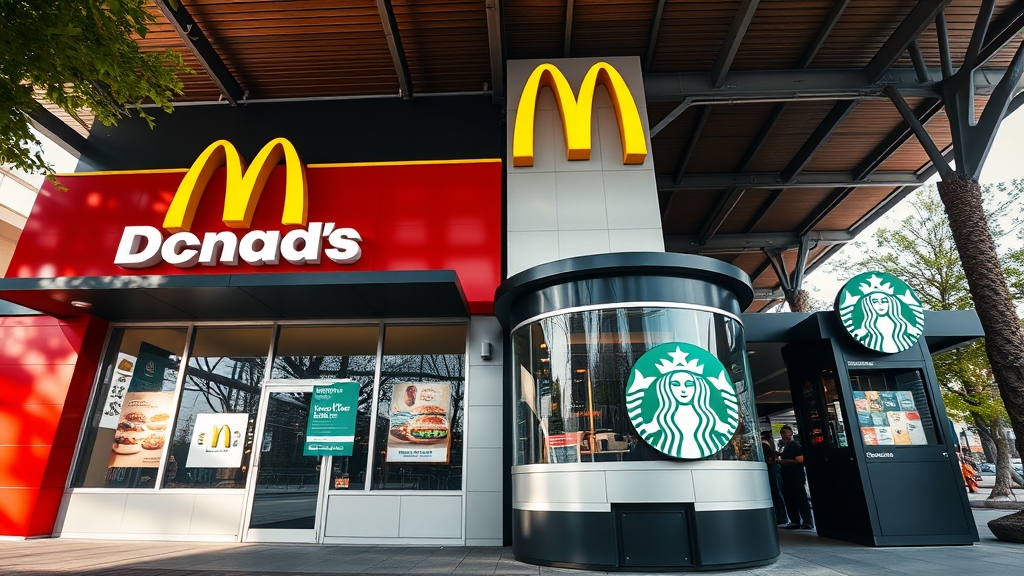
The corridors of SM Megamall tell a compelling story of franchise evolution—where traditional single-brand outlets increasingly share space with innovative co-branded concepts that capture Filipino consumers' growing appetite for convenience and variety. What was once considered an experimental business strategy has quietly transformed into a 47% boost in customer acquisition rates for franchise operators who strategically combine complementary brands under one roof. This surge in co-branding adoption reflects a fundamental shift in how Filipino entrepreneurs approach franchise investment, moving beyond the limitations of single-brand operations toward integrated business models that maximize both customer value and operational efficiency.
Recent franchise performance data reveals that co-branded establishments generate 32% more repeat business compared to traditional single-brand franchises, with particularly strong adoption across food service, retail, and lifestyle sectors. This resurgence represents more than just a business trend—it signals a sophisticated understanding of Filipino consumer behavior and the economic realities facing modern franchise operators in an increasingly competitive marketplace.
Defining Co-Branding in the Philippine Franchise Context
Co-branding in franchising represents the strategic merger of multiple franchise brands operating within a single location, sharing resources, customer traffic, and operational infrastructure while maintaining their distinct brand identities. Unlike simple tenant arrangements where businesses merely occupy adjacent spaces, co-branding involves integrated operations designed to create synergistic customer experiences that benefit all participating brands.
In the Philippine market, co-branding takes various forms—from the popular combination of coffee shops with bookstores to the integration of laundry services with internet cafes. The model allows franchise operators to diversify revenue streams while reducing operational costs through shared expenses for rent, utilities, staffing, and marketing activities.
The approach differs significantly from traditional franchising models where operators focus exclusively on a single brand concept. Co-branding enables entrepreneurs to capture different customer needs throughout the day, extending operational hours and maximizing location utilization in ways that single-brand concepts cannot achieve independently.
The Strategic Advantages for Filipino Franchise Operators
Enhanced Revenue Generation and Market Reach
Co-branding provides franchise operators with multiple revenue streams that complement rather than compete with each other. A successful example might involve combining a quick-service restaurant with a convenience store, where customers purchasing meals also buy beverages, snacks, or household items. This integration typically results in higher average transaction values and increased customer frequency.
The model proves particularly effective in the Philippine market where consumers value convenience and efficiency. Urban Filipinos, especially in Metro Manila, increasingly seek locations where they can accomplish multiple tasks during single visits, making co-branded franchises attractive alternatives to traditional single-purpose establishments.
Operational Efficiency and Cost Optimization
Shared operational expenses represent one of co-branding's most compelling advantages. Rent, utilities, security, and basic infrastructure costs can be distributed across multiple brands, significantly reducing individual franchise overhead expenses. This cost efficiency becomes particularly valuable in premium locations where single-brand operations might struggle with high rental costs.
Staffing efficiencies also emerge when brands complement each other operationally. Cross-trained employees can serve multiple brands during peak periods, reducing labor costs while maintaining service quality. This flexibility proves especially valuable in managing the varied customer traffic patterns that characterize different business types throughout the day.
Marketing Synergies and Brand Amplification
Co-branded franchises benefit from combined marketing budgets that enable more comprehensive promotional campaigns than individual brands could afford independently. The local marketing budget allocation becomes more efficient when multiple brands share promotional costs while targeting overlapping customer segments.
Cross-promotional opportunities create additional value for customers while strengthening brand loyalty. Customers purchasing from one brand within the co-branded location often receive incentives to try complementary services, creating natural upselling opportunities that benefit all participating franchises.
Legal Framework and Regulatory Considerations
Franchise Agreement Modifications
Co-branding arrangements require careful modification of standard franchise agreements to accommodate multiple brand operations within single locations. These modifications must address territorial rights, operational standards, and quality control measures that apply when brands share physical spaces and potentially customer-facing staff.
The Philippines' flexible legal framework for franchising, governed primarily by the Civil Code and various business registration requirements, allows significant contractual freedom in structuring co-branding arrangements. However, this flexibility requires careful attention to franchise laws and regulations to ensure all participating brands maintain compliance with their respective franchise obligations.
Intellectual Property Protection and Brand Standards
Co-branding arrangements must carefully address intellectual property rights and brand protection measures. Each participating franchise brand maintains distinct trademark rights and operational standards that must be preserved even within shared operational environments.
The Intellectual Property Code of the Philippines provides framework for protecting individual brand identities while allowing collaborative marketing and operational activities. Franchise operators must ensure that co-branding arrangements enhance rather than dilute the distinctive characteristics that define each participating brand.
Corporate Structure and Documentation
Co-branding may require specific corporate structures that accommodate multiple franchise relationships while maintaining clear operational and financial boundaries. Some arrangements involve single corporate entities holding multiple franchise agreements, while others utilize partnership structures that define responsibilities and profit-sharing arrangements between different brand operators.
Understanding disclosure document requirements becomes particularly important when multiple franchisors are involved, as each may have distinct disclosure obligations and approval processes for co-branding arrangements.
Implementation Strategies and Best Practices
Brand Compatibility Assessment
Successful co-branding begins with thorough analysis of brand compatibility across multiple dimensions. Complementary brands should target similar customer demographics while offering different products or services that enhance rather than compete with each other. The assessment should consider operational requirements, peak traffic patterns, and customer behavior characteristics.
Filipino consumer preferences often favor combinations that reflect local lifestyle patterns. Coffee shops paired with study spaces appeal to students and professionals, while food outlets combined with retail services attract families seeking convenient shopping experiences. Understanding these cultural preferences helps identify promising co-branding opportunities.
Operational Integration Planning
Effective co-branding requires careful planning of operational integration points, including shared staff responsibilities, inventory management systems, and customer service protocols. The importance of training and support becomes magnified when employees must represent multiple brands while maintaining distinct service standards for each.
Technology integration often proves critical for successful co-branding operations. Point-of-sale systems, inventory management, and customer relationship management platforms must accommodate multiple brands while providing consolidated reporting and operational oversight capabilities.
Location Selection and Space Design
Co-branded franchises require locations that can effectively accommodate multiple business concepts while maintaining distinct brand identities. High-traffic areas with diverse customer demographics typically provide the best opportunities for co-branding success, particularly in shopping centers, transportation hubs, and mixed-use developments.
Space design must balance brand distinctiveness with operational efficiency. Successful co-branded locations create clear brand zones while enabling smooth customer flow between different service areas. This design challenge requires careful consideration of each brand's physical requirements and customer interaction patterns.
Financial Considerations and Investment Analysis
Capital Requirements and Cost Sharing
Co-branding can significantly reduce initial capital requirements compared to operating multiple single-brand franchises in separate locations. Shared infrastructure, equipment, and operational systems distribute costs across multiple revenue streams while reducing overall investment risk.
However, co-branding arrangements require careful financial planning to ensure adequate working capital needs for all participating brands. Cash flow management becomes more complex when multiple brands have different seasonal patterns, promotional cycles, and operational requirements.
Revenue Sharing and Profit Distribution
Financial arrangements for co-branded franchises must clearly define revenue attribution, shared expense allocation, and profit distribution mechanisms. These arrangements should account for different contribution levels from participating brands while ensuring equitable distribution of both costs and benefits.
Performance measurement systems must track individual brand performance within the co-branded environment while identifying synergistic benefits that result from the collaborative arrangement. This data helps optimize operations and supports future co-branding decisions.
Market Trends and Consumer Behavior
Filipino Consumer Preferences and Lifestyle Changes
Post-pandemic consumer behavior in the Philippines shows increased preference for convenience-focused business models that minimize travel time and maximize value. Co-branded franchises align with these preferences by offering multiple services within single locations, reducing the need for separate trips to different establishments.
The growing urban middle class demonstrates particular affinity for co-branded concepts that combine lifestyle elements with practical services. Examples include fitness centers paired with healthy food options, or study spaces combined with printing and internet services that cater to students and remote workers.
Digital Integration and Technology Adoption
Modern co-branding increasingly incorporates digital elements that enhance customer experiences across multiple brands. Mobile ordering systems, loyalty programs, and customer relationship management platforms can integrate multiple brands while providing seamless user experiences.
Social media marketing becomes particularly powerful for co-branded franchises, as content can showcase multiple brands while demonstrating the convenience and value proposition of the integrated concept. This approach often generates higher engagement rates than single-brand promotional activities.
Success Stories and Industry Applications
Food Service and Retail Integration
The Philippine franchise market has seen notable success in combining food service concepts with retail operations. Coffee shops paired with bookstores create environments that encourage longer customer visits while generating revenue from both beverage sales and retail purchases.
Quick-service restaurants combined with convenience stores capitalize on impulse purchasing behavior while providing customers with comprehensive meal and shopping solutions. These combinations prove particularly effective in business districts and transportation hubs where time-conscious consumers value efficiency.
Service-Based Co-Branding Models
Professional service franchises have found success in co-branding arrangements that combine complementary services. Real estate offices paired with financial services provide comprehensive property transaction support, while automotive service centers combined with car wash operations offer complete vehicle maintenance solutions.
Understanding opportunities for investors helps identify emerging co-branding possibilities in service sectors where customer needs naturally overlap across different business categories.
Challenges and Risk Management
Operational Complexity and Quality Control
Co-branding introduces operational complexity that requires sophisticated management systems and well-trained staff. Maintaining consistent quality standards across multiple brands while managing shared resources demands careful attention to detail and comprehensive training programs.
Brand dilution represents a significant risk when co-branding arrangements compromise the distinctive characteristics that define individual franchise brands. Clear operational guidelines and regular quality audits help maintain brand integrity while capturing co-branding benefits.
Financial and Legal Risk Mitigation
Co-branding arrangements require careful risk assessment and mitigation strategies. Financial risks include uneven performance between brands, shared liability issues, and complex dispute resolution requirements when multiple franchisors are involved.
Legal risks encompass trademark conflicts, operational standard violations, and territorial rights disputes that may arise when brands share physical spaces and customer bases. Professional legal counsel experienced in franchise law becomes essential for structuring effective co-branding arrangements.
Future Outlook and Strategic Considerations
Market Evolution and Growth Opportunities
The Philippine franchise market continues evolving toward more sophisticated business models that maximize location utilization and customer value. Co-branding represents a natural progression in this evolution, offering franchise operators strategies for competing effectively against larger, well-capitalized competitors.
Emerging technologies and changing consumer preferences create new co-branding opportunities, particularly in sectors that combine digital services with traditional retail or food service operations. The integration of e-commerce fulfillment with physical retail locations exemplifies this trend.
Strategic Planning for Long-Term Success
Successful co-branding requires long-term strategic thinking that considers market evolution, brand development, and operational scalability. Franchise operators should evaluate co-branding opportunities as part of broader business development strategies rather than short-term tactical responses to competitive pressures.
The most successful co-branding arrangements create sustainable competitive advantages through operational efficiencies, enhanced customer experiences, and market positioning that individual brands cannot achieve independently. This strategic approach to conversion franchising and brand integration represents the future of sophisticated franchise development in the Philippine market.
Co-branding in franchises offers compelling opportunities for Filipino entrepreneurs seeking to maximize their franchise investments while providing enhanced value to customers. When executed properly, these arrangements create win-win scenarios that benefit franchise operators, brand partners, and consumers through improved efficiency, convenience, and value proposition that reflect the evolving needs of the modern Philippine marketplace.
