
The Ultimate Guide to Franchising for Retiring Professionals in the Philippines
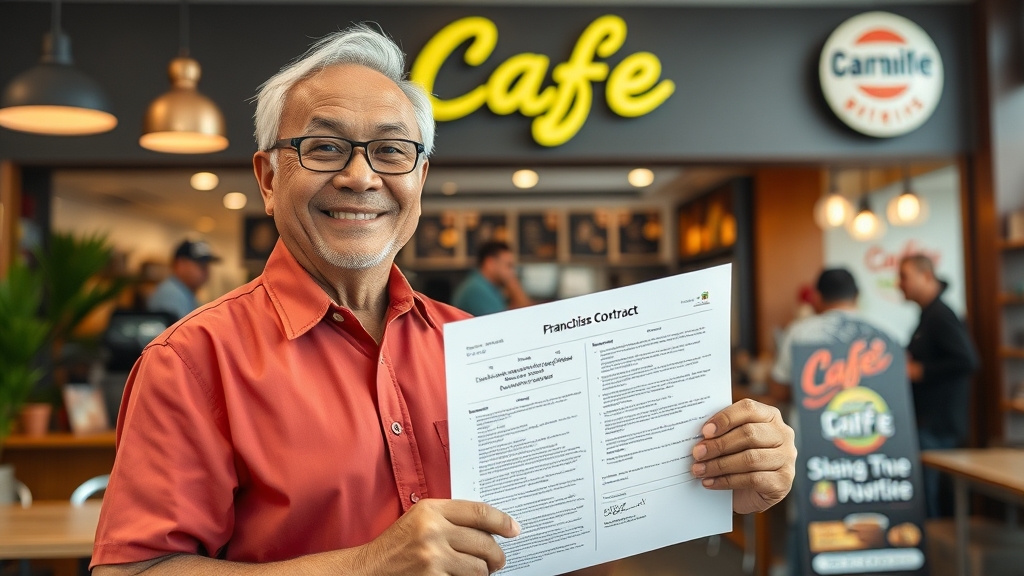
For generations, the concept of retirement in the Philippines was a quiet one. It was a well-earned rest, a shift from boardroom meetings to afternoon naps, from deadlines to daytime television. The "golden years" were envisioned as a passive reward at the end of a long career, funded by a pension and perhaps the occasional rental income. For many corporate professionals, this was the undisputed finish line.
But that narrative is in its flop era. A quiet revolution is underway, driven by a new breed of retiree who sees the end of their corporate career not as an ending, but as an intermission. They are trading in their corner offices for storefronts, their employee IDs for business permits. This is the comeback of the "encore career," and its most potent vehicle is the Philippine franchise industry.
This isn't just a handful of restless executives. It's a significant demographic shift. The franchise sector, projected to see revenue growth of up to 10% in 2025, is actively courting these seasoned professionals. They recognize that a retiring manager, director, or specialist brings a formidable combination of capital, decades of management experience, and extensive professional networks to the table. For the retiring professional, franchising offers a structured, lower-risk entry into entrepreneurship—a "business-in-a-box" that bypasses the daunting task of building a brand from scratch.
The result is a powerful convergence: a generation redefining retirement meets an industry hungry for high-quality investors. But this journey from a structured corporate life to the dynamic world of franchising is not without its perils. It requires a fundamental rewiring of one's professional identity and a strategic approach to choosing the right venture. This is the ultimate guide for the retiring professional looking to write their next chapter.
The Retiree's Edge: Why Seasoned Professionals Make Great Franchisees
The franchising world is often marketed to first-time entrepreneurs and young investors. However, a strong argument can be made that retiring professionals are, in fact, the ideal franchisee candidates. Their corporate careers have inadvertently been a decades-long training program for business ownership.
- Capital and Financial Literacy: Professionals retiring from long careers often have access to retirement pay, savings, and investments. They are not just bringing capital; they bring an understanding of financial statements, budgeting, and cash flow management—skills that are often the undoing of less experienced entrepreneurs.
- Management Acumen: Whether you managed a team of five or a department of fifty, you have experience in hiring, training, motivating, and evaluating people. This human resources expertise is directly transferable to managing a franchise crew, a critical component of success.
- Network and Reputation: A long career builds a vast network of contacts and a reputation within a community. This social capital is an invaluable marketing asset, able to generate initial customers and build local trust far more quickly than a newcomer.
- Discipline and Process Orientation: Corporate life is built on systems, processes, and following established protocols. This mindset aligns perfectly with the franchise model, which is predicated on replicating a proven operational system. Retirees are less likely to "reinvent the wheel" and more likely to execute the franchisor's plan with precision.
Choosing Your Second Act: Franchises That Fit a Post-Corporate Lifestyle
The goal of a retirement franchise isn't to replicate the high-stress, 60-hour work weeks of a corporate climb. The objective is to find a business that offers a blend of financial return, personal satisfaction, and a manageable operational load. The key is to match the business model to your desired lifestyle.
1. The Low-Stress, High-Need Service Hub
These are businesses that cater to non-negotiable community needs. They are often less glamorous but offer incredible stability, predictable revenue, and operations that don't require 24/7 owner presence.
- The Business Model: The most popular options in this category are tech-enabled laundromats and water refilling stations. These are not fads; they are essential services. Modern franchises in this space, like QUICKLEAN, have evolved to include self-service options, app-based payments, and delivery services, significantly streamlining operations.
- Why it Works for Retirees: The processes are highly systemized and can be managed by a small, well-trained staff. A retiree can focus on the "big picture" tasks: financial oversight, local marketing, and supplier management, rather than being tied to the daily grind. It's a business you can own without it owning you, making it perfect for those who want to remain active but also enjoy their freedom. For those considering this path, thoroughly exploring service-based franchise opportunities is the essential first step.
2. The High-Margin Wellness Practice
Filipinos are investing more in their health and well-being than ever before, creating a boom in the wellness sector. For retirees, particularly those with a passion for health or a background in healthcare, this offers a chance to run a high-value, fulfilling business.
- The Business Model: This goes beyond simple spas. Consider specialized businesses like primary care clinics, diagnostic laboratories, or dialysis centers. Franchises like Health Screen Laboratory or MedLine Dialysis Center tap into a critical, growing demand. These ventures require a higher initial investment, often starting from PHP 4 million and up, but they command professional respect and offer significant returns.
- Why it Works for Retirees: These are not emotionally-driven impulse businesses; they are serious operations that benefit from a mature, credible owner. A retiring professional's calm demeanor and life experience can be a huge asset in building patient trust. While these require stringent adherence to health regulations, the franchisor provides the complete medical and operational framework, allowing the retiree to function as the CEO of a small healthcare enterprise.
3. The Community-Focused Retail Outlet
This is for the retiree who wants to be a pillar of their local community. It's about creating a neighborhood hub, a business that becomes part of the daily life of its customers.
- The Business Model: Think beyond the major convenience store chains. Consider community-sized pharmacies, specialty pet supply stores, or small-format hardware outlets. These businesses thrive by tailoring their inventory and service to the specific needs of their immediate vicinity.
- Why it Works for Retirees: An owner-present retiree can provide a level of personal service and community engagement that a hired manager rarely can. They learn customers' names, stock their favorite items, and become a trusted local figure. This model leverages the retiree's desire for social connection. However, success is almost entirely dependent on being in the right place, making a deep understanding of the art of site selection a non-negotiable prerequisite.
The Mindset Shift: From Executive to Entrepreneur
The transition from a long corporate career to franchise ownership is the most significant challenge. It requires unlearning certain habits and embracing a new identity. The success of your encore career hinges on navigating this mental shift.
- From Delegator to Doer: In your corporate role, you may have had an assistant, a team, and entire departments to handle tasks. As a new franchisee, you are the chief strategist, the head of HR, the marketing department, and, on some days, the person who sweeps the floor. You must be prepared to be hands-on in a way you haven't been for years.
- From Salary to Sales: The comfort of a predictable monthly paycheck is gone. Your income is now directly tied to your daily sales and your ability to manage costs. This requires a level of financial discipline and risk tolerance that a salaried life insulates you from.
- From Internal Politics to Market Competition: Your focus shifts from navigating corporate hierarchies to fighting for customers in a competitive marketplace. Your success depends not on pleasing a boss, but on winning over the public.
The Final Word: Your Retirement is Your Business
The comeback of the encore career, powered by franchising, offers an exciting and viable path for the Philippines' retiring professionals. It's an opportunity to leverage a lifetime of experience to build a new legacy—one of ownership, community contribution, and continued personal growth.
However, the franchise industry's welcoming embrace is also a business transaction. The promise of a turnkey solution can obscure the realities of royalty fees, marketing contributions, and strict contractual obligations. The ultimate responsibility for success or failure rests squarely on your shoulders.
Therefore, the journey does not begin with a franchise fair or a sales call. It begins with introspection and investigation. Before you invest a single peso of your retirement fund, you must invest your time. Talk to existing franchisees. Scrutinize financial disclosure documents. More than anything, you must transform your retirement dream into a comprehensive and realistic strategy. This starts by crafting a solid franchise business plan, which will be your roadmap.
Ultimately, the most important tool in this entire process is not your capital, but a commitment to rigorous investigation. Arming yourself with a comprehensive due diligence checklist is the final, critical step to ensure your second act is not just a dream, but a profitable and fulfilling reality.
