
10 Tips for a Successful Franchise Grand Opening in the Philippines
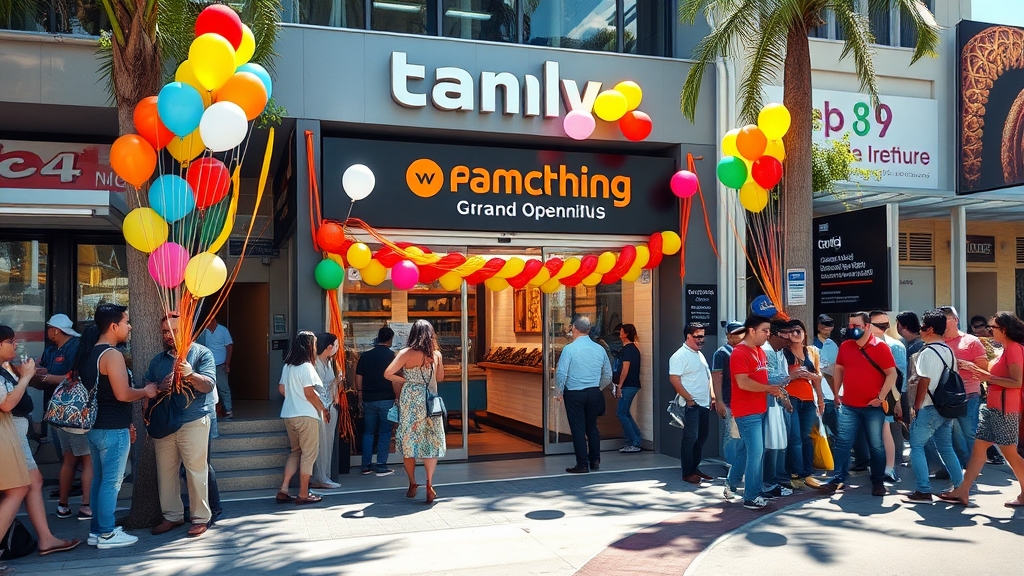
The shopfront stands ready, staff uniforms pressed, and inventory stocked—yet 67% of Filipino franchise grand openings fail to achieve their projected first-week sales targets, often because owners treat the event as a simple ribbon-cutting ceremony rather than a strategic marketing investment. In a market where franchise investments range from Siomai King's accessible ₱3,100 entry point to Jollibee's substantial ₱25-55 million requirement, the grand opening represents a critical opportunity to establish market presence, build customer relationships, and generate the momentum necessary for long-term success. The difference between franchises that thrive from day one and those that struggle for months often comes down to how effectively they execute their grand opening strategy.
The resurgence of strategic grand opening planning reflects broader shifts in Filipino consumer behavior and business competition. Post-pandemic customers have become more selective about which new businesses deserve their attention and loyalty, creating environments where first impressions carry exceptional weight. This evolution has transformed grand openings from simple announcements into sophisticated marketing campaigns that must capture community attention while demonstrating genuine value and cultural relevance.
The Philippine Grand Opening Landscape
Philippine franchise grand openings operate within unique cultural and economic frameworks that significantly influence event success patterns. Filipino communities value pakikipagkapwa (shared identity) and bayanihan (community spirit), creating opportunities for franchise owners who understand how to position their businesses as valuable community additions rather than external corporate intrusions.
The Department of Trade and Industry reports that successful franchise grand openings typically generate 23% higher first-month revenues compared to soft openings, demonstrating the tangible value of strategic event planning. However, success requires understanding local market dynamics, cultural preferences, and community engagement strategies that resonate with Filipino consumers while maintaining brand consistency and operational excellence.
1. Strategic Timing and Date Selection
Successful grand opening timing requires balancing multiple factors including local events, seasonal patterns, and community schedules that influence attendance and engagement levels. Planning franchise grand opening strategies involves understanding when your target customers are most likely to participate while avoiding conflicts that could reduce attendance.
Optimal timing considerations include avoiding major local festivals, religious observances, and school events that compete for community attention. The extended Philippine Christmas season from September through January creates both opportunities and challenges, with increased consumer spending balanced against heightened competition for attention. Back-to-school periods and summer vacations also create distinct opportunities for franchises targeting families or students.
Day-of-week selection proves critical for maximizing attendance, with weekends typically generating higher foot traffic for retail and food franchises while weekdays may work better for business-to-business services. Consider local traffic patterns, parking availability, and community schedules when selecting specific dates and times.
The most successful franchise owners coordinate with local government officials, community leaders, and neighboring businesses to ensure their grand opening complements rather than conflicts with other community activities. This collaborative approach often generates additional support and cross-promotional opportunities that enhance event success.
2. Comprehensive Budget Planning and Resource Allocation
Effective grand opening budget management requires balancing ambitious promotional goals with realistic financial constraints while ensuring adequate resources for both immediate event needs and follow-up marketing activities. Understanding local marketing budget strategies helps franchise owners allocate resources effectively across different promotional channels and activities.
Budget allocation guidelines suggest investing 3-7% of projected first-year revenue in grand opening activities, with higher percentages for franchises in competitive markets or those requiring significant community education. Food franchises typically require larger investments due to sampling costs and entertainment needs, while service franchises may focus resources on demonstration activities and relationship-building events.
Essential budget categories include venue decoration, promotional materials, entertainment, food and beverages, giveaways, advertising, and staff preparation. Many successful franchise owners also allocate 15-20% of their grand opening budget as contingency funds for unexpected opportunities or challenges that arise during planning or execution phases.
The most effective approach involves creating detailed line-item budgets that track expenses while maintaining flexibility for optimization based on response rates and community feedback. Professional consultation with local marketing experts often generates returns through improved resource allocation and vendor negotiations that reduce overall costs while enhancing event quality.
3. Community Engagement and Local Partnership Development
Building authentic community connections before, during, and after grand opening events creates sustainable competitive advantages that extend far beyond initial promotional periods. Community engagement strategies prove particularly effective in Philippine markets where personal relationships and local reputation significantly influence business success.
Pre-opening community involvement includes participating in local events, supporting community causes, and building relationships with neighborhood leaders, business owners, and influential residents. These activities create awareness and goodwill that translate into grand opening attendance and long-term customer loyalty.
Partnership opportunities with local businesses, schools, churches, and community organizations create cross-promotional possibilities that expand reach while demonstrating genuine community investment. Many successful franchise owners coordinate with complementary businesses to offer joint promotions, shared entertainment, or collaborative giveaways that benefit all participants.
Cultural sensitivity and local adaptation ensure grand opening activities align with community values and preferences while respecting religious observances, cultural traditions, and local customs that influence consumer behavior. Understanding regional preferences for entertainment, food, and social interaction helps create events that feel authentic rather than imposed from outside.
The key lies in positioning your franchise as a valuable community addition that enhances local economic development while providing genuine value to residents' daily lives.
4. Staff Preparation and Training Excellence
Grand opening success depends heavily on staff performance during high-pressure situations with increased customer volumes and community scrutiny. Hiring and training franchise staff requires comprehensive preparation that ensures consistent service quality while maintaining brand standards during chaotic opening periods.
Advanced hiring and training should begin weeks before grand opening events, allowing adequate time for skill development, system familiarization, and team building that creates cohesive service delivery. Staff members need training in product knowledge, customer service protocols, POS system operation, and problem-resolution procedures that enable confident performance under pressure.
Role-specific preparation includes designating staff members for specific grand opening responsibilities including customer greeting, product demonstration, crowd management, and special event coordination. Clear role definitions prevent confusion while ensuring comprehensive coverage of all event activities and customer needs.
Soft opening practice provides valuable opportunities for staff to practice procedures, identify operational issues, and build confidence before grand opening events. These practice sessions help refine workflows, test equipment, and address training gaps that could create problems during high-visibility opening periods.
The most successful franchise owners also prepare staff for cultural interactions, local language preferences, and community-specific service expectations that influence customer satisfaction and long-term relationship development.
5. Promotional Campaign Development and Execution
Comprehensive promotional campaigns create awareness, generate excitement, and drive attendance through multi-channel approaches that reach diverse community segments. Leveraging social media for foot traffic proves particularly effective for reaching younger demographics while traditional media maintains relevance for older community members.
Digital marketing strategies include social media campaigns, Google Ads, email marketing, and website optimization that create online buzz while providing convenient information access for potential attendees. Facebook and Instagram advertising prove particularly effective for reaching Filipino consumers who spend significant time on these platforms.
Traditional marketing approaches maintain importance in Philippine markets, particularly for reaching older demographics and provincial customers. Radio advertising, print materials, outdoor signage, and direct mail campaigns often generate strong local awareness at reasonable costs while complementing digital efforts.
Countdown marketing builds anticipation through progressive revelation of grand opening details, special offers, and exclusive previews that create urgency and excitement. This approach works particularly well on social media platforms where regular updates maintain audience engagement while expanding reach through sharing and word-of-mouth promotion.
The most effective campaigns combine multiple channels while maintaining consistent messaging that reinforces brand positioning and value propositions across all touchpoints.
6. Special Offers and Incentive Programs
Strategic promotional offers create immediate value for grand opening attendees while encouraging trial purchases and repeat visits that support long-term customer acquisition. Promotions and loyalty programs must balance attractive incentives with sustainable profit margins that support ongoing business operations.
Grand opening specials typically include percentage discounts, buy-one-get-one offers, free samples, or exclusive product previews that provide genuine value while encouraging immediate purchases. The key lies in creating offers that attract customers without establishing unsustainable pricing expectations for future visits.
Loyalty program launches during grand opening events create long-term customer engagement opportunities while capturing contact information for future marketing efforts. Digital loyalty programs prove particularly effective for tracking customer behavior and personalizing future communications.
Exclusive access and VIP treatment for early attendees, community leaders, or special guests creates premium experiences that generate positive word-of-mouth promotion while building relationships with influential community members who can support long-term success.
The most successful promotional strategies create immediate excitement while establishing sustainable customer relationships that continue generating value long after grand opening events conclude.
7. Entertainment and Experience Design
Memorable entertainment and experiential elements create positive associations with your franchise while encouraging longer visit durations that increase sales opportunities and community engagement. Planning local events for promotion requires understanding community preferences while maintaining brand consistency and operational efficiency.
Entertainment selection should align with your target demographic preferences while reflecting local cultural tastes and community standards. Live music, cultural performances, children's activities, and interactive demonstrations create engaging experiences that encourage social sharing and word-of-mouth promotion.
Product demonstrations and sampling provide hands-on experiences that showcase quality and value while addressing customer questions and concerns. These activities prove particularly effective for food franchises, service businesses, and retail concepts that benefit from direct customer interaction and education.
Photo opportunities and social media integration create shareable moments that extend promotional reach through organic user-generated content. Instagram-worthy displays, branded photo booths, and hashtag campaigns encourage social media engagement while building online brand presence.
The key lies in creating authentic experiences that feel genuine rather than overly commercial while providing genuine entertainment value that justifies attendance time and effort.
8. Media Relations and Public Relations Strategy
Professional media relations create credibility and expanded reach through third-party validation that carries more weight than paid advertising. Local media franchise coverage requires understanding local journalism preferences while providing newsworthy angles that justify editorial coverage.
Press release development should highlight community benefits, job creation, unique offerings, or local partnerships that provide genuine news value beyond simple business announcements. Local media outlets prioritize stories that impact their audiences rather than promotional content that lacks broader relevance.
Media invitation and relationship building involves personally contacting local journalists, bloggers, and influencers who cover business, community, or lifestyle topics relevant to your franchise concept. Building authentic relationships with media professionals creates opportunities for ongoing coverage beyond grand opening events.
Newsworthy angles might include local hiring initiatives, community partnership announcements, innovative products or services, or unique business stories that resonate with local audiences. The goal is providing genuine value to media outlets while generating positive coverage for your franchise.
Successful media relations require understanding that journalists seek stories that interest their audiences rather than promotional content that serves business interests exclusively.
9. Logistics Management and Operational Excellence
Flawless execution during grand opening events requires comprehensive logistics planning that addresses crowd management, inventory control, payment processing, and customer service delivery under high-pressure conditions. Daily operations management becomes particularly critical during grand opening periods when operational mistakes receive maximum visibility.
Crowd flow and space management involves planning customer movement patterns, queue management, and activity areas that prevent congestion while ensuring positive experiences for all attendees. Adequate staffing, clear signage, and designated areas for different activities help maintain order while maximizing engagement opportunities.
Inventory and supply preparation requires estimating demand for products, promotional materials, and consumables while maintaining adequate reserves for unexpected attendance levels. Running out of popular items or promotional materials creates negative impressions that can damage long-term reputation.
Payment processing and transaction management must accommodate increased transaction volumes while maintaining efficiency and accuracy. Additional POS stations, mobile payment options, and trained cashiers help prevent long wait times that frustrate customers and reduce sales opportunities.
The most successful franchise owners conduct detailed logistics rehearsals that identify potential bottlenecks and operational challenges before grand opening events begin.
10. Follow-Up Strategy and Momentum Maintenance
Grand opening success extends beyond single-day events to include comprehensive follow-up strategies that convert initial visitors into long-term customers while maintaining community engagement and brand momentum. Building loyal customer relationships requires systematic approaches that nurture connections established during grand opening events.
Customer data capture and follow-up involves collecting contact information through loyalty program signups, contest entries, or feedback forms that enable ongoing communication and relationship development. Email marketing, social media engagement, and personalized offers help maintain connections while encouraging repeat visits.
Performance analysis and optimization includes tracking attendance, sales, customer feedback, and promotional effectiveness to identify successful strategies and areas for improvement. This analysis informs future marketing decisions while providing insights for ongoing operational optimization.
Community relationship maintenance involves continuing the community engagement activities that supported grand opening success while building on relationships established during opening events. Regular participation in local activities, ongoing community support, and consistent customer service help maintain positive reputation and customer loyalty.
Long-term momentum strategies include regular promotional events, seasonal campaigns, and community involvement that keep your franchise visible and relevant within local markets while building sustainable competitive advantages.
Measuring Success and Building Long-Term Value
Successful grand opening execution creates foundations for sustainable franchise success while establishing market presence and customer relationships that support long-term profitability. Key performance indicators help measure immediate event success while tracking longer-term impact on business development and community integration.
The most successful franchise owners view grand opening events as investments in long-term success rather than single-day promotional activities. This perspective encourages comprehensive planning, adequate resource allocation, and follow-up strategies that maximize return on investment while building sustainable competitive advantages.
Remember that grand opening success depends on execution quality, community relevance, and authentic value delivery rather than simply spending large amounts on promotional activities. The investment in proper planning, professional guidance, and systematic execution determines whether your grand opening becomes a launching pad for sustained success or simply an expensive event that fails to generate lasting business value.
The Philippine franchise market offers tremendous opportunities for operators who understand how to connect with local communities while maintaining brand consistency and operational excellence. The ten strategies outlined above provide frameworks for creating memorable grand opening events that establish positive market presence while building foundations for long-term franchise success in the dynamic Philippine marketplace.
