
Understanding the Impact of Supply Chain Control by the Franchisor
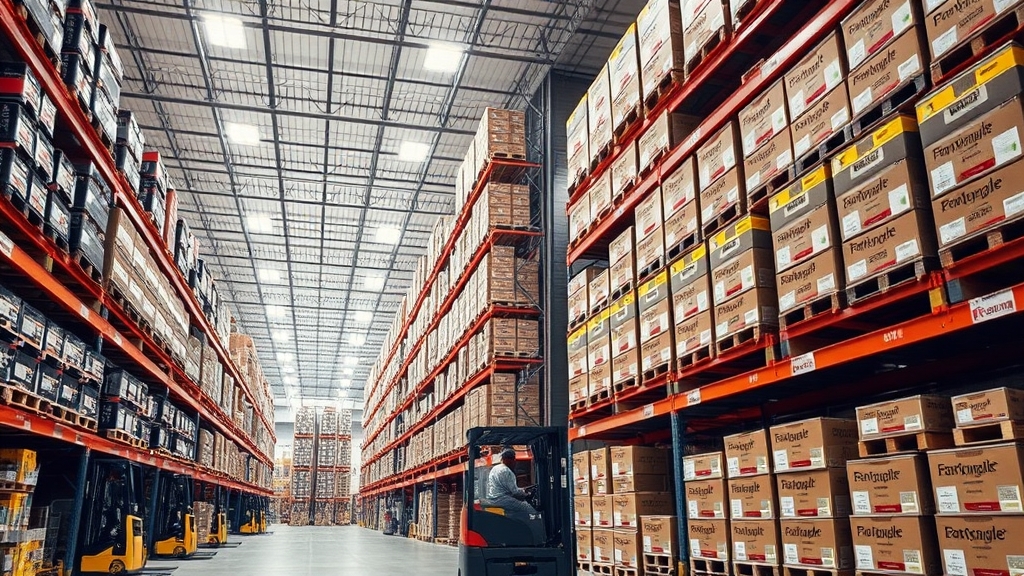
Walk into any mall in the Philippines, and you’re met with a familiar scene: the scent of Jollibee’s Chickenjoy, the uniform glow of a 7-Eleven, the precise flavor of a Chatime milk tea. This consistency isn’t a happy accident. It’s the result of a meticulously managed, centrally controlled supply chain, the invisible architecture that dictates a franchise’s success or failure. For prospective franchisees, the allure of a turnkey business model is powerful. But behind that promise lies a fundamental tension: the franchisor’s need for absolute control versus the franchisee’s desire for operational flexibility.
This control is most acutely felt in the supply chain. The franchisor dictates who you buy from, what you buy, and often, how much you pay for it. While this system is designed to protect the brand, recent industry data reveals a stark reality. Franchises with optimized supply chains report profit margins up to 34% higher and 60% fewer operational disruptions than their peers. Yet, the same control that fosters success can also become a point of friction, leading to stalled growth and franchisee discontent. The resurgence of strategic supply chain management as a core focus for Philippine franchises signals a critical shift. It's no longer just about getting goods from point A to point B; it's about navigating a complex relationship that defines the very profitability of the franchise model.
The Franchisor's Mandate: Why Control is King
At its core, franchising is about replication. The franchisor’s primary responsibility is to ensure that a customer in Davao has the exact same brand experience as a customer in Baguio. This brand integrity is built on a foundation of consistency, and the supply chain is the bedrock of that foundation.
The non-negotiable argument for franchisor control rests on several key pillars:
- Quality and Consistency: A franchisor spends years, and millions of pesos, building a brand identity. A single franchisee using subpar ingredients or non-compliant materials can tarnish that reputation overnight. By mandating approved suppliers, the franchisor guarantees that every single outlet—from the coffee beans to the cleaning chemicals—adheres to a uniform standard. This prevents the brand dilution that can occur when hundreds of individual owners make independent purchasing decisions.
- Economies of Scale: A single franchisee has limited purchasing power. A national network of hundreds of stores, however, can command significant discounts. Franchisors leverage this collective buying power to negotiate lower prices on goods, equipment, and services. This centralized procurement theoretically lowers costs for everyone in the system, a benefit that individual operators could not achieve on their own.
- Operational Simplicity: For the franchisee, a controlled supply chain simplifies a massive part of running a business. Instead of spending hours vetting dozens of local suppliers for milk, syrups, and cups, the coffee shop owner receives a curated list of approved, pre-vetted vendors. This frees up the franchisee to focus on front-of-house operations, marketing, and customer service. The franchisor has already done the heavy lifting of sourcing and quality assurance.
- Proprietary Products: Many franchises build their success on a "secret sauce"—a unique recipe, a patented piece of equipment, or a special blend of ingredients. These trade secrets are the brand's competitive advantage. By controlling the supply chain, the franchisor protects this intellectual property, ensuring that proprietary items are sourced exclusively from designated manufacturers and distributed securely throughout the network.
This control is not just a best practice; it is a strategic imperative for brand survival and growth. However, this top-down approach is not without its significant challenges, especially within the unique logistical landscape of the Philippines.
The Franchisee’s Dilemma: When Control Becomes a Constraint
While the logic of franchisor control is sound, its real-world application can create significant friction. For the franchisee on the ground, the system can feel less like a support structure and more like a set of rigid, expensive constraints.
The archipelagic geography of the Philippines presents a fundamental challenge. A centralized distribution model that works seamlessly in a land-contiguous country can become a logistical nightmare here. Recent data shows that 78% of Philippine franchises have faced significant supply chain disruptions, often exacerbated by port congestion in Manila, underdeveloped provincial infrastructure, and unpredictable weather. A franchisor’s mandated supplier based in Luzon may offer competitive pricing, but for a franchisee in Mindanao, shipping delays and high transit costs can erode any savings, leading to stockouts and lost sales. This highlights the critical need to understand and plan for the unique infrastructure and logistics challenges for franchising in the Philippines.
Common friction points for franchisees include:
- Higher Costs and Markups: While franchisors negotiate bulk discounts, they are not obligated to pass on all the savings. Many franchise systems generate revenue by marking up the cost of goods sold to franchisees. A franchisee might discover they can source a commodity item, like cleaning supplies or packaging, from a local vendor at a lower price but are contractually forbidden from doing so. This can lead to feelings of being captive to an overpriced system.
- Lack of Flexibility: A mandated supply chain can prevent a franchisee from adapting to local tastes or opportunities. Imagine a fruit shake franchisee in Guimaras being unable to source the island’s world-famous mangoes because they are required to use a standardized fruit puree from a central commissary. This rigidity can stifle the entrepreneurial spirit and prevent a franchisee from capitalizing on local competitive advantages. Developing strategies to adapt to local trends is crucial for long-term relevance.
- Dependency and Risk: When the entire system relies on a few key suppliers, a single point of failure can cripple the network. A strike at a central warehouse, a fire at a key manufacturing plant, or the financial failure of a primary distributor can halt operations for hundreds of franchisees who have no approved alternatives. This dependency places an enormous amount of risk on the individual business owner.
- Slow to Innovate: Large, established supply chains can be slow to change. A franchisee might identify a new, popular product trend—like plant-based alternatives—but find themselves waiting months or even years for the franchisor to approve and integrate new suppliers into the system.
These challenges underscore the need for a more nuanced approach, one that balances the franchisor's need for control with the franchisee's need for a viable, profitable business. This is where analyzing the franchisor’s support systems becomes a critical piece of due diligence for any potential investor.
The Legal Framework: Control by Contract
In the Philippines, the relationship between a franchisor and franchisee is governed primarily by contract law. There is no single, comprehensive "Franchise Law." Instead, the terms of the supply chain are dictated by the franchise agreement, a legally binding document that the franchisee signs.
Executive Order No. 169, signed in 2022, was a significant step toward protecting MSMEs by mandating minimum terms and conditions in franchise agreements. This includes the full disclosure of all recurring fees—including those related to supplies—and a clear outline of the franchisor’s responsibilities. However, the EO does not fundamentally alter the franchisor’s right to control the supply chain.
The franchise agreement will typically specify:
- Approved Suppliers: The contract will either list exclusive, mandated suppliers or outline the process for approving new ones.
- Quality Standards: It will detail the specifications for all products, ingredients, and equipment.
- Right to Audit: The franchisor retains the right to inspect the franchisee’s premises to ensure compliance with supply chain requirements.
- Rebates and Markups: While the EO encourages transparency, the specifics of pricing structures, rebates from suppliers, and potential markups are defined within the contract.
For franchisees, this means the power to negotiate or deviate from the prescribed supply chain is extremely limited once the contract is signed. The legal structure is designed to uphold the franchisor’s control. Therefore, it is absolutely essential for prospective franchisees to have the franchise agreement reviewed by a qualified lawyer before committing. Understanding the long-term financial implications of these supply chain clauses can be the difference between a profitable venture and a frustrating, money-losing enterprise. Indeed, without this foresight, a franchisee might later find themselves needing to explore viable exit strategies when the system proves untenable.
Finding the Balance: The Collaborative Supply Chain
The most successful and resilient franchise systems recognize that absolute, unyielding control can be counterproductive. They are moving away from a purely dictatorial model toward a more collaborative one. This approach acknowledges the franchisee as a valuable partner on the front lines, with critical insights into local market conditions and operational realities.
Strategies for building a healthier supply chain relationship include:
- Franchisee Advisory Councils (FACs): These elected bodies of franchisees provide a formal channel for communication and feedback on supply chain issues. They can work with the franchisor to vet new suppliers, negotiate pricing, and address regional logistical challenges.
- Transparency in Pricing: While franchisors are entitled to earn revenue from the supply chain, transparency is key. Providing clear information about how prices are set and whether the franchisor receives rebates from suppliers builds trust and reduces franchisee resentment.
- Regional and Alternative Suppliers: Smart franchisors are building flexibility into their systems. This may involve approving regional suppliers to reduce shipping costs and delays or establishing a clear, efficient process for franchisees to nominate and vet local vendors who can meet quality standards. This is a direct response to the persistent franchise supply issues that plague the archipelago.
- Technology Integration: Modern supply chain management relies on technology. Shared platforms for inventory management, ordering, and demand forecasting can create efficiencies for both the franchisor and franchisee. These systems provide real-time data that allows for more agile and responsive inventory control, reducing both stockouts and costly overstocking.
Ultimately, the impact of franchisor control is not inherently positive or negative; it is a function of how that control is wielded. When exercised with transparency, collaboration, and a genuine commitment to franchisee profitability, a controlled supply chain is a powerful engine for mutual success. When it is used to extract maximum profit at the expense of the franchisee, it becomes a recipe for conflict, stagnation, and the slow decay of the brand. For anyone looking to enter the dynamic world of Philippine franchising, scrutinizing the supply chain is not just a detail—it is the main event.
