
How Philippine Holidays Impact Franchise Sales and Operations
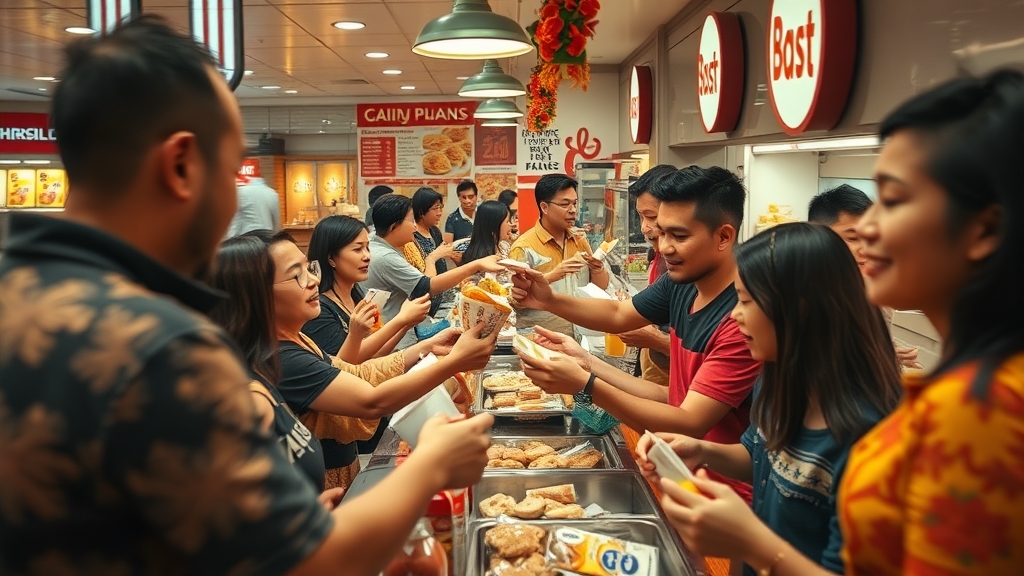
As the 'ber months' kick in, SM Megamall's vibrant food court undergoes a significant shift, with Jollibee outlets bustling with families prepping for Christmas and enjoying seasonal offerings, while other franchises nearby remain relatively deserted, missing out on the holiday rush. This annual transformation reveals a fundamental truth about Philippine franchise operations: businesses that strategically align with local holiday patterns achieve 45% higher revenue during peak seasons compared to those that treat holidays as mere operational disruptions rather than strategic opportunities.
The Philippine holiday landscape presents unique challenges and opportunities for franchise operators, with the country observing approximately 22 regular holidays plus 5 special holidays declared annually by the Palace, in addition to hundreds of provincial and municipal celebrations. This extensive holiday calendar—one of the most comprehensive in Southeast Asia—creates distinct operational rhythms that successful franchisees learn to leverage while others struggle with increased labor costs and disrupted schedules.
The resurgence of traditional holiday celebrations, combined with evolving consumer spending patterns, has intensified both the opportunities and challenges facing Philippine franchises. For operators serious about maximizing franchise performance, understanding how holidays impact sales cycles, operational requirements, and customer behavior has become essential for sustainable success in this culturally rich but operationally complex market.
The Extended Christmas Season: September to January Revenue Surge
The Philippine "ber months" phenomenon creates the world's longest Christmas season, beginning in September and extending through January, fundamentally reshaping franchise revenue patterns and operational demands. This four-month period represents the most significant sales opportunity for most franchise concepts, with consumer spending patterns shifting dramatically as families prepare for Noche Buena celebrations, gift-giving traditions, and extended family gatherings.
September marks the psychological beginning of Christmas preparation, with retail franchises experiencing 30-40% increases in foot traffic as consumers begin holiday shopping earlier than in most global markets. Food franchises benefit from increased family dining occasions and corporate celebrations, while service franchises see surge demand for party planning, catering, and event-related services that support the extensive Filipino Christmas celebration culture.
October through December acceleration intensifies these trends, with successful franchise operators allocating 30-40% of their annual marketing budgets to this critical period. Local marketing budget allocation becomes particularly important during this season, as generic corporate campaigns cannot capture the hyperlocal nature of Filipino Christmas traditions and community celebrations.
The January extension through Three Kings Day provides additional revenue opportunities for businesses that successfully establish themselves during the core Christmas period, though this typically represents bonus revenue rather than compensation for missed opportunities during the peak months when consumer enthusiasm and spending reach their annual highs.
Cash flow implications during this period require sophisticated financial planning, as franchisees must balance increased inventory investments, seasonal staffing costs, and marketing expenditures against concentrated revenue generation that often determines annual profitability. Understanding franchise cash flow management becomes essential for navigating these seasonal extremes.
Labor Cost Implications and Staffing Challenges
Philippine holiday regulations create significant labor cost pressures for franchise operators, particularly during peak seasons when customer demand increases while regulatory requirements mandate premium pay rates for holiday work. The Philippine Chamber of Commerce and Industry has noted that excessive holidays increase labor costs that particularly burden small businesses, creating operational challenges that franchise owners must navigate strategically.
Holiday pay requirements under Philippine labor law mandate double pay for work performed on regular holidays and additional 30% premium for special non-working days, significantly impacting operational costs during peak revenue periods. These requirements become particularly challenging for franchises operating extended hours or maintaining seven-day schedules that serve increased customer demand during holiday periods.
Staffing availability challenges emerge as Filipino employees prioritize family gatherings and religious observances during major holidays, creating potential service disruptions during peak customer demand periods. Effective staffing strategies must account for cultural priorities while ensuring adequate coverage for business operations.
Seasonal hiring requirements often necessitate temporary staff increases during holiday periods, requiring accelerated training programs and quality control measures that maintain service standards despite workforce changes. Understanding training program effectiveness becomes crucial for maintaining operational excellence during high-pressure periods.
Regional variations in holiday observance create additional complexity, as local festivals and patron saint celebrations affect staffing and customer patterns differently across various franchise locations. Provincial franchises may face unique challenges during local celebrations that don't affect national operations but significantly impact regional business patterns.
Consumer Spending Patterns and Seasonal Demand Fluctuations
Filipino consumer behavior during holidays creates predictable but intense demand fluctuations that require strategic operational planning and inventory management. The cultural emphasis on family gatherings, gift-giving, and celebration creates concentrated spending periods that can generate substantial revenue for prepared franchises while overwhelming unprepared operations.
Gift-giving traditions during Christmas create surge demand for retail franchises, particularly those offering items suitable for pasalubong (gifts for family and friends) and corporate giveaways. Understanding local consumer preferences becomes essential for inventory planning and promotional strategies that align with Filipino gift-giving customs.
Food service demand patterns intensify during holidays as families increase dining out frequency and corporate groups schedule year-end celebrations. Noche Buena preparation creates specific demand for traditional Filipino foods and ingredients, while Media Noche celebrations drive late-night food service opportunities that extend operational hours and revenue potential.
Travel-related spending during holidays affects franchise locations differently, with tourist area franchises experiencing surge demand while business district operations may see reduced weekday traffic as office workers take extended holiday breaks. Site selection considerations must account for these seasonal variations in location performance.
Post-holiday spending patterns typically show significant declines as consumers recover from holiday expenses and return to normal spending routines. Successful franchises develop strategies for maintaining customer engagement and revenue during these predictable slowdown periods through loyalty programs, value offerings, and operational efficiency improvements.
Operational Planning for Holiday Disruptions
Supply chain management during holidays requires sophisticated planning to ensure product availability during peak demand while accounting for supplier closures and transportation disruptions that affect inventory replenishment. Effective inventory management becomes critical for maintaining service levels without excessive carrying costs.
Extended operating hours during peak holiday periods can significantly increase revenue but require careful planning for staffing, utilities, and security considerations that maintain operational safety and efficiency. Understanding operational challenges helps franchisees prepare for the increased complexity of holiday operations.
Quality control maintenance becomes more challenging during high-volume holiday periods when operational pressure can compromise service standards and product quality. Brand standards compliance requires systematic approaches that maintain consistency despite increased volume and staffing changes.
Technology system capacity must accommodate increased transaction volumes during peak holiday periods, requiring POS system capabilities that handle surge demand without service disruptions that frustrate customers and reduce sales potential.
Security considerations intensify during holidays when increased cash handling, extended hours, and higher customer volumes create additional risks that require enhanced safety protocols and security measures.
Marketing and Promotional Opportunities
Holiday-themed marketing campaigns provide exceptional opportunities for franchise operators to connect with Filipino cultural values and seasonal emotions that drive purchasing decisions. Local marketing strategies must balance corporate brand standards with authentic cultural engagement that resonates with local communities.
Community engagement initiatives during holidays demonstrate franchise commitment to local values while building brand loyalty that extends beyond seasonal promotions. Community engagement strategies that support local celebrations and charitable activities create positive brand associations that support long-term customer relationships.
Social media activation during holidays leverages Filipino enthusiasm for sharing celebration experiences, creating opportunities for user-generated content and viral marketing that amplifies promotional investments. Leveraging social media platforms becomes particularly effective during emotionally charged holiday periods.
Loyalty program optimization during holidays can capture increased customer frequency while building retention that sustains business during slower post-holiday periods. Understanding customer loyalty strategies helps maximize the long-term value of seasonal customer acquisition.
Cross-promotional partnerships with complementary businesses during holidays can expand market reach while sharing marketing costs during competitive periods when advertising rates and customer acquisition costs typically increase.
Financial Planning and Cash Flow Management
Seasonal cash flow planning requires sophisticated financial management that balances increased revenue opportunities against higher operational costs and inventory investments during holiday periods. Managing franchise cash flow becomes particularly critical during periods of extreme seasonal variation.
Working capital requirements increase significantly during holidays as franchises must invest in additional inventory, seasonal staffing, and marketing activities before receiving the revenue benefits of increased sales. Understanding franchise financing options helps ensure adequate resources for capitalizing on seasonal opportunities.
Revenue concentration risks emerge when franchises become overly dependent on holiday sales for annual profitability, creating vulnerability to economic disruptions or competitive pressures that affect seasonal performance. Diversification strategies help balance seasonal concentration while maintaining focus on peak opportunity periods.
Tax planning considerations must account for concentrated revenue generation during holiday periods and the timing of deductible expenses that can optimize tax obligations while supporting operational requirements.
Performance measurement during holiday periods requires metrics that account for seasonal variations rather than standard monthly comparisons that may not reflect the unique dynamics of Philippine holiday business patterns.
Regional and Cultural Variations
Provincial holiday patterns differ significantly from Metro Manila celebrations, with local patron saint festivals, harvest celebrations, and regional traditions creating unique operational considerations for franchise locations outside major urban centers. Understanding provincial franchising challenges helps operators adapt to local celebration patterns.
Religious observance variations across different regions and communities affect business operations differently, with some areas experiencing more significant disruptions during Holy Week while others see greater impact during local religious celebrations. Cultural sensitivity becomes essential for respectful and effective holiday planning.
Economic variations across regions affect holiday spending patterns, with higher-income areas supporting premium holiday offerings while provincial markets may require value-focused promotional strategies that accommodate different purchasing power levels.
Tourism impact in certain regions creates unique holiday dynamics where local celebrations attract visitors who increase business volumes while changing customer demographics and service requirements during peak periods.
Technology and Innovation During Holidays
Digital payment adoption accelerates during holidays as consumers seek convenient transaction methods during busy shopping periods. Understanding franchise technology tools helps operators leverage digital solutions for improved customer experience and operational efficiency.
Delivery and pickup services become particularly valuable during holidays when consumers prioritize convenience and time-saving options. Integration with delivery platforms and optimization of pickup processes can significantly increase revenue during peak periods.
Customer relationship management systems enable personalized holiday marketing and service delivery that builds stronger customer connections during emotionally significant periods. Data analytics help optimize inventory, staffing, and promotional strategies based on historical holiday performance patterns.
Social media monitoring during holidays provides real-time feedback on customer satisfaction and competitive activities that enable rapid response to opportunities and challenges during critical sales periods.
Long-Term Strategic Considerations
Holiday performance analysis provides valuable insights for annual planning, site selection, and operational optimization that improve future holiday performance while identifying trends that affect long-term business strategy. Continuous improvement processes help franchises evolve their holiday strategies based on performance data and market changes.
Customer relationship building during holidays creates opportunities for long-term loyalty development that extends beyond seasonal interactions. Understanding customer lifetime value helps justify holiday investments while optimizing retention strategies.
Competitive positioning established during holidays often influences market perception and customer preferences throughout the year. Strong holiday performance can create lasting competitive advantages that support business growth beyond seasonal periods.
Expansion planning should consider holiday performance patterns when evaluating new locations and market opportunities. Understanding how different areas respond to holiday promotions and celebrations helps inform multi-unit development strategies.
Crisis Management and Contingency Planning
Holiday disruption planning must account for potential challenges including extreme weather, transportation strikes, or economic disruptions that can affect holiday operations. Crisis management strategies become particularly important during periods of concentrated revenue generation.
Supply chain backup plans ensure product availability during holidays when supplier disruptions can have magnified impact on business performance. Multiple supplier relationships and inventory buffers help maintain service levels during challenging periods.
Staff contingency planning addresses potential staffing shortages during holidays through cross-training, temporary staffing arrangements, and flexible scheduling that maintains service quality despite workforce challenges.
Financial contingency reserves provide resources for addressing unexpected opportunities or challenges during holiday periods when rapid response capabilities can significantly impact business performance.
The impact of Philippine holidays on franchise operations extends far beyond simple calendar considerations to encompass fundamental business strategy, operational planning, and financial management decisions that determine annual success. For franchise operators serious about developing successful owner qualities, mastering holiday dynamics becomes essential for sustainable competitive advantage in the Philippine market.
Whether managing affordable franchise opportunities or complex multi-unit operations, understanding and leveraging Philippine holiday patterns creates opportunities for exceptional performance while building the cultural connections that support long-term customer loyalty. The investment in comprehensive holiday planning generates returns through maximized seasonal revenue, enhanced customer relationships, and operational excellence that positions franchises for sustained success in this dynamic and culturally rich market.
Remember that holiday success requires balancing respect for Filipino cultural values with strategic business execution, creating authentic connections with customers while maintaining operational discipline that supports sustainable growth throughout the year.
