
Laundry Service Franchises: Automated vs. Full-Service Models
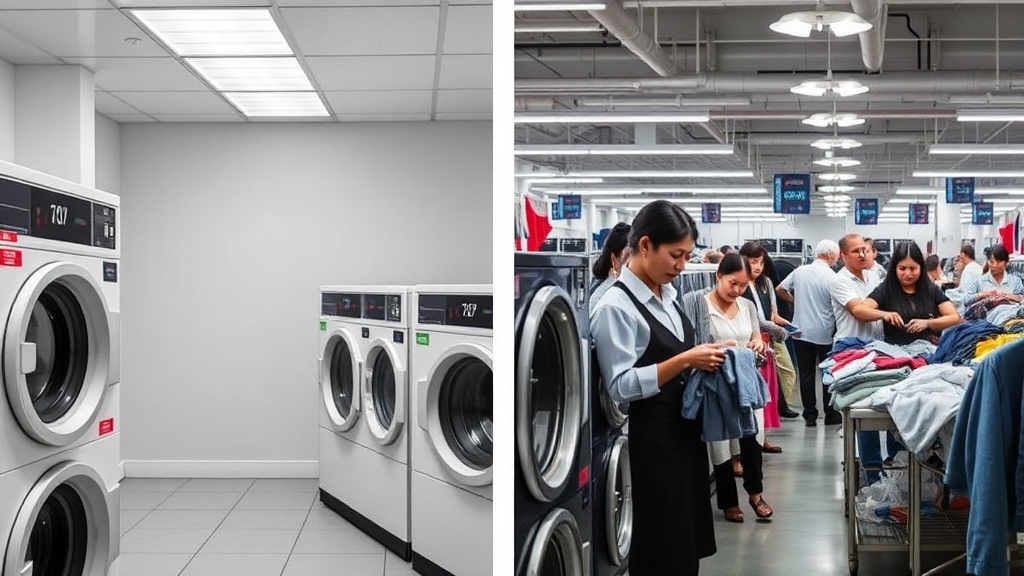
The Philippine laundry industry, long a staple of urban convenience, is undergoing a quiet but significant transformation. For years, the neighborhood labandera and the full-service drop-off shop defined the sector. But the rise of condominium living, dual-income households, and a tech-savvy middle class has fractured the market, creating a new battleground for entrepreneurs. The central conflict? The sleek, efficient, and largely hands-off appeal of the automated, self-service laundromat versus the trusted, traditional, and comprehensive care of the full-service model.
This isn't just about how clothes get clean; it's a reflection of evolving Filipino lifestyles. The demand for laundry services is undeniable, with industry revenues projected to surpass $88 million. However, for aspiring franchisees, the path to profitability is no longer straightforward. Choosing between an automated or full-service franchise is a critical decision that hinges on capital, operational style, and an understanding of the specific needs of your target community. This article dissects these two dominant models, exploring the financial, operational, and cultural factors that will determine success in the modern Philippine laundry landscape.
The Rise of the Machine: The Automated, Self-Service Model
The self-service laundromat, often branded as a "coin-op" or DIY laundry, has become a prominent feature in dense urban centers. Its appeal is rooted in speed, affordability, and a sense of user control. This model caters directly to the modern, time-pressed consumer—students, young professionals, and small families living in compact spaces where owning a washing machine is impractical.
The Financial Blueprint
The primary allure of an automated laundry franchise is its potential for semi-passive income. The initial investment is substantial, often ranging from ₱1.4 million to over ₱4 million. This hefty price tag covers the heart of the operation: a fleet of high-capacity, commercial-grade washers and dryers. A well-known franchise package will typically include not just the machinery but also store design, renovation guidance, and the brand's operational system.
While the startup cost is high, the operational model is lean. This business model is geared toward a more passive management style, focused on maintenance and marketing rather than day-to-day staff supervision. Staffing needs are minimal, often requiring just one or two attendants to maintain cleanliness, assist customers, and manage transactions. This significantly reduces ongoing labor costs, one of the biggest expenses in any service business. The revenue stream is direct and cash-based (or via digital payments), simplifying financial tracking. Profitability is a game of volume; success depends on maximizing machine usage and high turnover. A well-placed laundromat can generate a steady, predictable income, making it an attractive proposition for investors who prefer a more hands-off approach. Before committing, it is vital to evaluate brand reputation, as a strong brand can significantly influence customer traffic and trust.
The Philippine Context
The self-service model thrives in specific environments. It is a perfect fit for neighborhoods with a high concentration of condominiums, dormitories, and apartments. These residents often lack the space for their own laundry equipment and value the speed of washing and drying a week's worth of clothes in under two hours. The model's transparency—customers see their clothes being washed and handle them personally—also builds a unique form of trust. However, success is not guaranteed. The market is competitive, and location is everything. A poorly chosen site, even with the best equipment, will struggle to attract the necessary foot traffic.
The Human Touch: The Full-Service Model
The traditional full-service laundry shop remains a powerful force in the industry, built on a foundation of convenience and trust. This model takes the entire chore off the customer's hands: drop-off, washing, drying, folding, and sometimes even ironing and delivery. It appeals to a different segment of the market—busy families, established professionals, and businesses like clinics or small hotels that require outsourced linen services.
The Financial Blueprint
The initial capital for a full-service franchise can be lower than its automated counterpart, with startup costs potentially ranging from under ₱900,000 to ₱5 million, depending on the brand and scale. The machinery can be less expensive, as the focus is on workflow efficiency rather than customer-facing, coin-operated technology.
The key difference lies in the operational costs and management style. Full-service shops are labor-intensive, requiring a hands-on owner who can effectively manage a team of skilled staff to handle washing, pressing, folding, and customer service. Salaries, therefore, constitute a major and recurring expense. While the revenue model delivers a higher profit margin per kilo, overall profitability depends on efficient management of staff, utilities, and consumables. A small-to-medium shop might see a monthly net profit between ₱20,000 and ₱30,000, with the potential for more through value-added services. A critical step for any aspiring franchisee is to create a detailed franchise business plan to project these variables accurately.
The Philippine Context
The full-service model aligns deeply with Filipino culture, which values personalized service. For many, the convenience of simply dropping off a bag of laundry and picking it up fresh and folded is worth the extra cost. Trust is the cornerstone of this business. Customers are handing over their valuable garments, and success hinges on service quality and delivering on that trust. A single instance of a lost sock or a damaged shirt can permanently lose a customer.
This model allows for greater differentiation. Offering premium detergents, specialized stain removal, pressing, and convenient pick-up and delivery services can build a loyal client base that is less sensitive to price. Many successful full-service franchises thrive by building strong community ties and becoming the go-to provider for households and local businesses. Understanding the full scope of franchise costs, including ongoing royalties and marketing fees, is essential for this model.
Navigating Regulations and Making the Choice
Regardless of the model chosen, operating a laundry business in the Philippines requires strict adherence to legal standards. All laundry businesses must be registered with the Department of Trade and Industry (DTI) or the Securities and Exchange Commission (SEC) and secure local permits, including a Mayor’s Permit and a Sanitary Permit from the local health office. The latter is particularly crucial, as laundry services are considered a matter of public health. Franchisors often provide invaluable assistance in navigating these complex franchise laws and regulations.
Ultimately, the choice between an automated and a full-service franchise is a personal one that must align with your capital, management style, and business goals.
- Choose automated self-service if you have significant capital, prefer a less hands-on operational role, and can secure a prime location in a high-density residential area. Your focus will be on marketing, machine maintenance, and creating a clean, safe environment.
- Choose full-service if you excel at managing people, are passionate about customer service, and want to build a business based on community relationships. Your success will depend on your ability to train and retain a great team and consistently deliver high-quality results. A thorough process to compare laundry franchises is non-negotiable to find a franchisor that offers the right support for this model.
The laundry industry is far from washed up. It is a dynamic sector that continues to adapt to the needs of modern Filipino life. By understanding the distinct advantages and challenges of both automated and full-service models, you can make a strategic investment that leads to a clean and profitable future.
