
Top "Low-Staff" Franchise Models for Simpler Operations
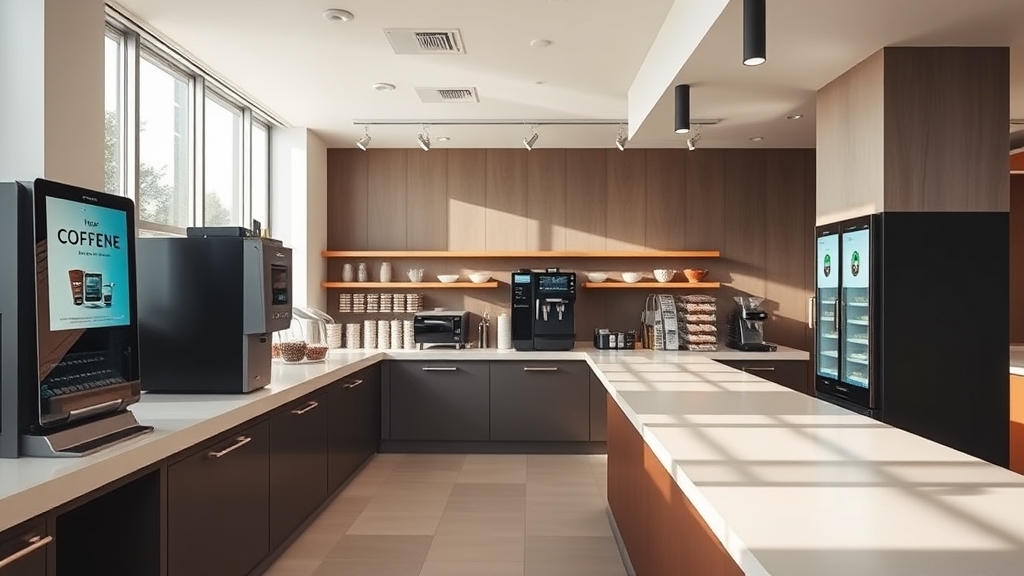
In the bustling world of Philippine entrepreneurship, there’s a prevailing narrative that success is born from complexity—larger teams, bigger inventories, and more intricate operations. But a powerful counter-movement is staging a comeback, championing a philosophy that is leaner, smarter, and more efficient. This is the rise of the low-staff franchise model, a direct response to a growing desire among Filipino entrepreneurs for businesses that are simpler to manage, less burdened by overhead, and more aligned with a modern, flexible lifestyle.
The dream of business ownership is no longer exclusively for those who can afford to hire and manage a large workforce. Franchisors have recognized a significant market of aspiring owners—from busy professionals seeking a part-time franchise to first-time entrepreneurs who want a more manageable entry point. They are engineering business-in-a-box solutions built on a foundation of operational simplicity, where success is driven by a strong system rather than a large headcount. For the savvy investor, this represents a golden opportunity to enter the market with a model designed for profitability and peace of mind.
The Anatomy of a Lean Machine: What Defines a Low-Staff Franchise?
A low-staff franchise isn't just about cutting payroll; it's a fundamental approach to business design. These models are meticulously crafted to minimize complexity and maximize efficiency, allowing them to be run by the owner and just one or two employees.
- Laser-Focused Offerings: The core principle is simplicity. These franchises typically focus on a very limited menu of products or a single, standardized service. A food cart that perfects one item, like shawarma or french fries, eliminates the vast inventory and complex preparation required of a full-service restaurant. This focus makes staff training faster, reduces waste, and ensures consistent quality.
- Automation as the Unseen Employee: Technology is the backbone of the low-staff model. This can range from customer-facing tech, like self-order kiosks, to back-end systems that streamline operations. Think of a modern laundromat with coin- or app-operated machines that run themselves, or a point-of-sale (POS) system that automates inventory tracking and sales reporting. Automation handles the repetitive tasks, freeing up the small team to focus on customer service and sales.
- System-Dependent, Not People-Dependent: The most crucial element is the franchisor's system. A great low-staff franchise has a system blueprint that is so clear, so well-documented, that it can be executed flawlessly by a small, well-trained team. The operations manual is the bible, dictating every step from opening to closing. This reduces reliance on the institutional knowledge of long-term employees and makes the business resilient to staff turnover.
- Minimal Physical Footprint: These businesses often operate out of compact spaces like kiosks, food carts, or small in-line stores. A smaller footprint means lower rent, fewer utilities, and a space that is easier to clean, manage, and secure with a minimal team.
Hotbeds of Simplicity: Top Sectors for Low-Staff Franchising
Certain industries in the Philippines are naturally suited to this lean operational model, offering a wealth of opportunities for entrepreneurs who value simplicity.
The Undisputed King: Food Carts and Kiosks
The Filipino love affair with affordable, on-the-go food makes the food cart franchise the quintessential low-staff business. These micro-enterprises are masters of efficiency and can often be run by a single employee per shift.
- Siomai and Dim Sum Carts: Brands like Master Siomai and Siomai House have become ubiquitous in malls and transport terminals across the country. With an initial investment often starting around ₱280,000 to ₱350,000, these franchises provide a turnkey package that includes the cart, a steamer, a freezer, and initial inventory. The operation is beautifully simple: steam, serve, and collect payment.
- Shawarma Kiosks: Turks has demonstrated the power of focusing on one beloved product. Their model is built for speed and consistency, allowing a small team to serve a high volume of customers during peak hours.
- Flavored Fries and Snacks: Potato Corner is a global phenomenon built on a simple, repeatable process. The operational genius lies in its simplicity, making it a perfect model for first-time owners and those seeking a low-staff venture.
- Beverage Kiosks: From pearl milk tea to fresh fruit juices like those from Citrus Zone, beverage concepts are ideal low-staff models. The process involves mixing pre-measured ingredients, making it easy to train staff and maintain quality with a lean team.
The Rise of the Robots: Automated and Self-Service Models
For those seeking the ultimate in low-maintenance operations, franchises that leverage automation and self-service are the gold standard. These models are designed to generate revenue with minimal human intervention.
- Self-Service Laundromats: In urban areas dominated by condominiums and apartments with limited space, coin-operated or app-based laundromats are a booming industry. While not entirely staff-free, they can often be managed by a single attendant per shift whose primary roles are to maintain cleanliness, assist customers with the machines, and handle payments. The machines do most of the work.
- Vending Machines: This is the purest form of a low-staff business. A vending machine franchise involves placing machines in high-foot-traffic locations like offices, schools, and hospitals. The only "staff" required is the owner or a single employee responsible for restocking the machines and collecting the revenue.
Lean and Essential: Service-Based Ventures
Certain service businesses have been systematized to the point where they can be run effectively by a very small, well-trained team.
- Delivery and Logistics Hubs: The explosion of e-commerce has created opportunities for logistics franchises like TokTok. These app-based models allow a franchisee to operate a local delivery hub with a minimal administrative team, as the technology platform coordinates the riders and deliveries. The initial investment can be remarkably low, making it one of the most accessible low-staff options available.
- Specialized Beauty Services: While it may seem counterintuitive, some beauty services are perfect for a low-staff model. A salon that specializes in one high-demand service, like waxing or eyebrow threading, can operate with a small team of highly-trained technicians. Franchises like Lay Bare have perfected this model, creating a system so refined that it can be overseen by a franchisee without requiring a large, complex salon staff.
The Owner's New Role: From Manager to Strategist
It is a critical mistake to think "low-staff" means "no-effort." The reality is that the owner's role simply shifts. You trade the daily grind of managing a large team for a more strategic set of responsibilities. In a low-staff model, you are the CEO, not the shift supervisor.
Your primary jobs include:
- Hiring and Nurturing Your Elite Team: With only one or two employees, getting the right people is paramount. Your focus is on hiring trustworthy, self-motivated individuals and then investing in their training to ensure they can run the outlet confidently.
- Financial Command: You are the CFO. You must diligently monitor sales, track expenses, manage inventory, and analyze your POS data to make smart decisions.
- Local Marketing Champion: While the franchisor handles national branding, you are responsible for driving customers to your specific location. This involves local community engagement, social media promotions, and building relationships with neighboring businesses.
- Chief Problem-Solver: When a freezer breaks down or a customer issue escalates, you are the one who gets the call. Being a low-staff owner means being on-call to handle the problems your small team can't solve alone.
This lean approach to franchising offers a powerful and accessible path to entrepreneurship. It’s a model that prioritizes simplicity, efficiency, and a more manageable work-life balance for the owner. Many of the most popular top low-cost opportunities are built on this very principle. By choosing a business with a streamlined operation and a strong support system, you can build a profitable asset without the headaches of managing a large workforce.
Before you invest, conduct a thorough investigation. A critical part of your due diligence checklist is to verify that the franchisor’s systems are as robust as they claim and that their training is sufficient to empower a small team. For the Filipino entrepreneur ready to work smart, not just hard, the low-staff franchise model isn't just a business opportunity—it's a blueprint for a more sustainable and rewarding future.
