
The Best Food Cart Franchises for High-Foot-Traffic Mall Locations
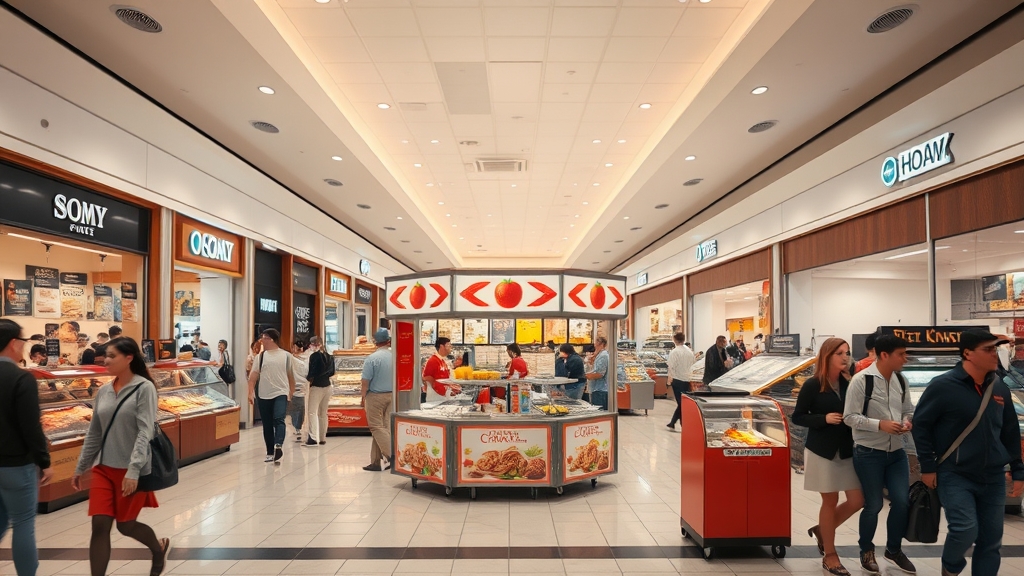
There’s a familiar scene in every Philippine mall: the river of shoppers, the ambient hum of commerce, and dotting this landscape, the bright, aromatic oases of food carts. For decades, these compact kitchens-on-wheels have been a staple of the Filipino malling experience, offering quick, affordable, and satisfying bites to millions. But don't mistake their ubiquity for simplicity. The food cart, once seen as a humble entry point into business, has undergone a quiet, data-driven revolution. It has weathered economic shifts and fleeting food fads to emerge as a surprisingly resilient and sophisticated investment, especially within the controlled chaos of a shopping mall.
The Philippine franchising sector itself is a juggernaut, contributing a whopping ₱800 billion to the economy in 2025 and boasting a startup success rate that hovers around 90%. This growth, projected at a steady 8-10% annually, is fueled by a robust middle class and the constant pulse of consumer spending. Within this dynamic industry, the food cart has not just survived; it has thrived, evolving from a mere snack stop into a strategic business move. The question for aspiring entrepreneurs is no longer if a food cart is a viable business, but which food cart holds the key to unlocking profits in the most coveted commercial territories of all: the high-foot-traffic corridors of a supermall.
The Unbeatable Advantage: Why Malls are the Gold Standard
Before diving into specific brands, it’s crucial to understand why a mall location is the holy grail for a food cart operator. It’s a strategic decision rooted in the unique ecosystem of Filipino mall culture. Malls are more than just shopping centers; they are community hubs, air-conditioned parks, and weekend destinations for families, friends, and solo wanderers. This creates a captive audience unlike any other.
The core principle is simple: visibility and foot traffic are the lifeblood of a food cart business. Malls don't just offer foot traffic; they offer purposeful foot traffic. People are already in a leisurely state of mind, primed to spend, and often looking for quick, affordable refreshments or snacks between shopping, errands, or watching a movie. A strategically placed food cart doesn't have to fight for attention; it intersects with the customer's journey organically. Industry analysis consistently shows that mall-based kiosks can generate revenue three to four times higher than their street-level counterparts. This is the power of a location that works for you, a place where thousands of potential customers pass by your storefront every single day.
However, succeeding in this prime territory requires more than just showing up. It demands a franchise that is purpose-built for the mall environment—one with a product that can be prepared quickly, consumed on the go, and backed by a brand that resonates with the diverse mall-going demographic. When choosing an investment, it's vital to grasp the different business models available, as a food cart's operational blueprint is distinctly different from a full-service restaurant.
Decoding the "Best": Criteria for a Winning Mall Food Cart
Not all food cart franchises are created equal, especially when it comes to the high-stakes, high-competition environment of a major mall. The "best" options share a common set of characteristics tailored for this unique stage.
- Powerful Brand Recognition: In a crowded visual landscape, a familiar name is a powerful magnet. Brands like Potato Corner or Siomai King benefit from years of market presence, creating an instant connection with customers. This built-in trust and recognition significantly lower the barrier to a customer's first purchase. An entrepreneur is not just buying a cart and a recipe; they are tapping into a pre-existing river of brand loyalty.
- "Grab-and-Go" Product DNA: The ideal mall food is an impulse buy that doesn't disrupt the flow of a shopping trip. Think flavored fries, siomai, pearl shakes, or shawarma. These are items that can be prepared in minutes and consumed while walking. The product must be simple enough to maintain quality and speed, even during the busiest weekend rushes.
- Operational Simplicity: A successful food cart is a model of efficiency. The business should have a streamlined process from inventory to sales, requiring minimal staff—often just one or two people per shift. This lean operational model is key to profitability, keeping overheads low while maximizing the output of a small space.
- Robust Franchisor Support: Perhaps the most crucial element is the backbone of support provided by the franchisor. This includes comprehensive training for the franchisee and crew, a reliable supply chain for ingredients and materials, and ongoing marketing support. A great franchisor doesn't just hand you the keys; they provide a proven system and are invested in your success. Before signing any agreement, it's essential to perform your due diligence by talking to current and former franchisees to get an unvarnished view of the operational realities.
- Affordable Entry and Quick ROI: Food carts remain one of the most accessible entry points into franchising, with investment costs ranging from as low as around ₱50,000 to upwards of ₱700,000, depending on the brand and package. Many operators report recovering their initial investment within 12 to 24 months, a testament to the high-turnover nature of the business when executed correctly.
Top Contenders: Proven Franchises for Philippine Malls
Based on brand strength, product suitability, and a track record of success in mall locations, several franchises stand out as prime candidates for aspiring entrepreneurs in 2025.
1. Potato Corner: The Undisputed King of Fries
It’s impossible to discuss mall food carts without mentioning Potato Corner. The aroma of its flavored fries is a quintessential part of the Philippine mall experience. Since its start in 1992, Potato Corner has become a global phenomenon, but its heart remains in the bustling corridors of local malls.
- Why it Works in a Mall: Potato Corner’s success is a masterclass in impulse-driven sales. The product is simple, crave-able, and customizable with a variety of flavors. The bright green kiosk is instantly recognizable, and the preparation process is quick, ensuring lines move fast even during peak hours. It appeals to all demographics, from kids begging their parents for a snack to teens and young adults looking for a familiar treat.
- The Investment: The franchise has various packages, with a standard cart starting at around ₱263,200 and a kiosk at ₱400,000. While this is higher than some smaller players, the investment comes with immense brand power and a proven, highly profitable business model. The company has received numerous accolades, including the Franchise Excellence Hall of Fame Award, cementing its status as a blue-chip investment in the food cart world.
2. Siomai King: The People's Dumpling
Siomai has long been a Filipino favorite, and Siomai King has expertly capitalized on this love affair. Known for its affordable and flavorful Chinese-style dumplings, Siomai King is a recognizable and reliable choice for a quick, filling snack.
- Why it Works in a Mall: Siomai King offers a more substantial snack than fries, often serving as a light meal for shoppers on the go. Its operations are straightforward, centered around steaming pre-made siomai and serving it with soy sauce, calamansi, and chili garlic. This simplicity ensures consistent quality and fast service. The brand's affordability makes it highly accessible to the broad C and D markets that form a significant portion of mall foot traffic.
- The Investment: Siomai King is known for its relatively low entry cost, with franchise packages starting around ₱168,888. This affordability makes it an attractive option for first-time entrepreneurs. While the profit margins per unit are lower than premium brands, the high volume of sales in a good mall location can lead to a swift return on investment. The key is to analyze your competitors in the chosen mall, as the siomai market can be crowded.
3. Shawarma Shack: The "Buy One, Take One" Powerhouse
Shawarma Shack carved out a significant market share with a simple yet brilliant marketing strategy: the "Buy One, Take One" deal. This value proposition has made it a go-to for budget-conscious mall-goers looking for a filling and flavorful meal.
- Why it Works in a Mall: The brand offers a complete, handheld meal, which is a major advantage. Customers can get two shawarma wraps for the price of one, making it a popular choice for couples, friends, and families. The on-the-spot preparation of the shawarma on the vertical rotisserie is also a form of retail theater, drawing in curious customers with its sights and smells.
- The Investment: A franchise for Shawarma Shack typically starts with an investment of around ₱600,000. While this is a mid-range investment, the brand's strong marketing hook and the continued popularity of shawarma in the Philippines provide a solid foundation for success. The franchise provides a turnkey opportunity, including the cart, equipment, and initial training.
The Playbook for Mall Domination: Beyond the Brand
Choosing the right franchise is only the first step. Executing the plan and turning a high-traffic location into a high-profit enterprise requires diligence and adherence to a specific playbook.
First and foremost is navigating the legal and administrative maze. Operating a business in the Philippines requires compliance with several government agencies. Each food cart is considered a separate business location and needs its own set of permits, including a Barangay Clearance, a Mayor's Permit from the local government unit, and a Certificate of Registration from the Bureau of Internal Revenue (BIR). As a sole proprietor, you'll also need to register your business name with the Department of Trade and Industry (DTI). Navigating these Philippine franchise laws and regulations is non-negotiable and fundamental to operating legally and building a sustainable business.
Next comes the critical task of managing operations. This is where the franchisor’s system proves its worth. Effective inventory management is key to minimizing waste and ensuring you never run out of your key ingredients during peak hours. Furthermore, providing excellent customer service cannot be overstated. A friendly greeting and efficient service can transform a one-time customer into a regular patron. Word-of-mouth remains a powerful marketing tool, and in the close-knit community of a mall, a good reputation spreads fast.
Finally, smart local marketing can amplify your presence. Don't just rely on the mall's foot traffic. Use social media to announce promotions or special offers, targeting people who live or work near the mall. Simple tactics like a well-placed sign or a limited-time offer can significantly boost sales. For any franchisee, understanding how to develop a local franchise marketing plan is a skill that separates the average operators from the truly successful ones.
The Future is Bright and Smells Like French Fries
The food cart is no longer in its flop era; it is in its comeback narrative, a story of adaptation and smart business. For the aspiring Filipino entrepreneur, it represents a potent combination of affordability, scalability, and proven demand. In the controlled, high-traffic environment of a shopping mall, a well-chosen and well-operated food cart franchise is more than just a small business—it's a high-yield investment engine packed into a few square meters. By selecting a brand with strong recognition, a product suited for on-the-go consumption, and a robust support system, you position yourself for success in one of the most vibrant and enduring sectors of the Philippine retail economy.
