
Top Franchise Opportunities in Metro Manila for 2025
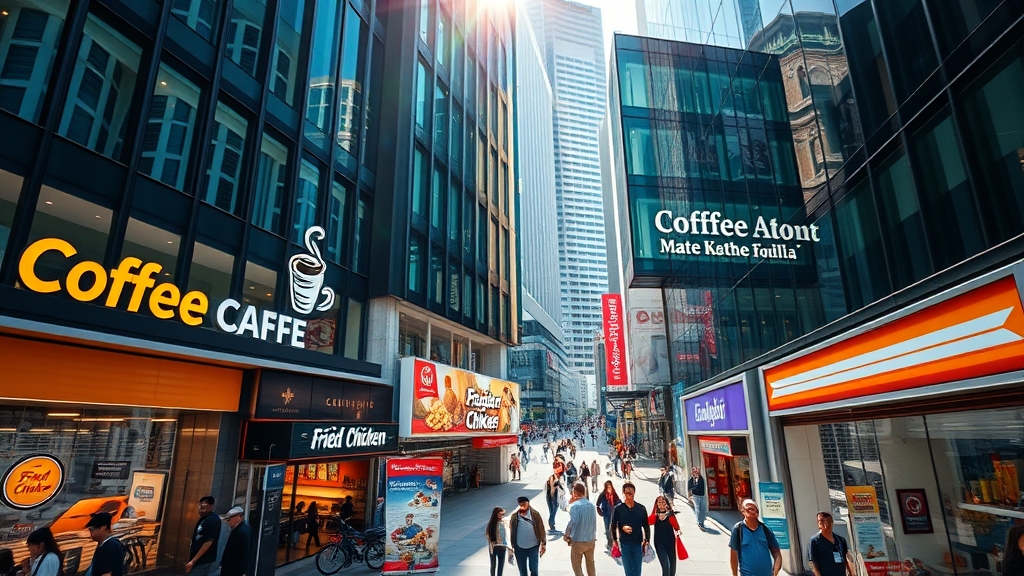
The streets of Ortigas Center tell a compelling story about Metro Manila's franchise landscape. While one 7-Eleven outlet maintains steady queues of customers throughout the day with strategic product placement and community engagement, another convenience store just blocks away struggles with inconsistent foot traffic despite offering similar products and services. The difference isn't location or brand recognition—it's understanding how to leverage Metro Manila's unique market dynamics to maximize franchise potential.
Recent Philippine Franchise Association data reveals that Metro Manila accounts for 65% of total franchise revenue nationwide, with the region generating over ₱520 billion in franchise sales during 2024. This concentration reflects both the area's economic vitality and the intense competition that defines success in the nation's capital. Industry analysis shows that franchises with optimized Metro Manila strategies achieve 34% higher profit margins compared to those applying generic approaches to this sophisticated market.
The resurgence of strategic franchise selection in Metro Manila reflects broader shifts in Filipino consumer behavior, where urbanized customers increasingly demand convenience, quality, and authentic experiences that generic retail concepts struggle to deliver. For entrepreneurs seeking franchise opportunities in 2025, understanding Metro Manila's evolving landscape becomes essential for identifying concepts that align with both market demands and personal investment capabilities.
Food and Beverage: The Dominant Force
Metro Manila's food and beverage sector continues driving franchise growth, representing 45% of all franchise establishments in the region. The sector's resilience stems from Filipinos' enduring love for dining experiences and the constant demand for convenient meal solutions in the fast-paced urban environment.
Premium Fast Food Franchises
Jollibee remains the undisputed leader in Philippine franchising, with investment requirements ranging from ₱25 million to ₱55 million for Metro Manila locations. The brand's cultural resonance and proven operational systems make it attractive for high-net-worth investors seeking established concepts with strong market positioning. Jollibee's success demonstrates how understanding Filipino values creates sustainable competitive advantages.
McDonald's offers similar investment levels starting at ₱30 million, appealing to investors who prefer international brand recognition with local market adaptation. The franchise provides comprehensive support systems and established supply chains that reduce operational complexity for new franchisees.
Affordable Food Cart Concepts
Potato Corner represents accessible franchise opportunities with investments starting at ₱250,000 for kiosk models. The brand's flavored fries concept appeals to Filipino taste preferences while offering manageable operational requirements for first-time franchisees. Success depends on securing high-traffic locations in malls, schools, and transportation hubs.
Master Siomai provides even lower entry points at ₱280,000, including customized food carts and comprehensive training programs. With over 900 outlets nationwide, the brand demonstrates proven scalability and market acceptance that reduces investment risks for new operators.
Emerging Food Trends
Fruitas capitalizes on health-conscious trends with ₱300,000 investments for fresh fruit shake concepts. The brand's positioning aligns with growing wellness awareness among Metro Manila consumers, particularly younger demographics seeking healthier alternatives to traditional fast food.
Coffee franchises continue expanding rapidly, with concepts like Big Brew offering affordable coffee solutions starting at ₱29 per cup. The proliferation of coffee culture in Metro Manila creates opportunities for local marketing strategies that build community connections while generating consistent revenue streams.
Retail and Convenience: Essential Services
Metro Manila's retail franchise sector benefits from dense population concentrations and 24/7 lifestyle patterns that create consistent demand for convenient shopping solutions.
Convenience Store Giants
7-Eleven requires ₱3.5 to ₱5 million investments but offers proven business models with comprehensive support systems. The brand's round-the-clock operations align perfectly with Metro Manila's lifestyle patterns, where consumers expect constant access to essential products and services. The franchise process includes extensive training and site selection support that improves success probability.
FamilyMart provides Japanese-style convenience store experiences with ₱2 million to ₱7 million investment requirements. The brand's unique product offerings and store atmosphere appeal to Metro Manila's sophisticated consumers who appreciate international retail concepts with local adaptation.
Uncle John's (formerly Ministop) offers lower investment thresholds at ₱1 million to ₱5 million while providing prepared food options that differentiate it from traditional convenience stores. The combination of retail and food service creates multiple revenue streams that enhance profitability potential.
Specialty Retail Concepts
ED's Hardware introduces the first micro-hardware franchise concept, addressing Metro Manila's growing DIY and home improvement market. The franchise targets urban consumers who need convenient access to construction materials and tools without visiting large hardware stores.
RUX Electric Mobility capitalizes on environmental consciousness and traffic congestion concerns by offering electric vehicle solutions. This emerging concept aligns with government initiatives promoting sustainable transportation while addressing practical urban mobility challenges.
Health, Beauty, and Wellness: Growing Demand
Metro Manila's affluent demographics drive increasing demand for health, beauty, and wellness services that offer premium experiences and professional results.
Fitness Franchises
Anytime Fitness requires ₱7 million to ₱15 million investments but provides 24/7 gym access that appeals to Metro Manila's diverse work schedules. The brand's flexibility accommodates professionals, students, and shift workers who need convenient fitness solutions outside traditional business hours.
Gold's Gym offers established brand recognition with ₱5 million to ₱30 million investment ranges depending on location and facility size. The franchise appeals to serious fitness enthusiasts while providing comprehensive equipment and training programs that justify premium pricing.
Beauty and Personal Care
Lay Bare dominates the waxing and personal care market with ₱5 million minimum investments for sustainable three-year operations. The brand's chemical-free positioning appeals to health-conscious consumers while providing recurring revenue through regular service appointments.
Snooze Nook introduces innovative wellness concepts through vending massage chairs that provide on-demand relaxation services. With 10 branches already established, the concept demonstrates market acceptance for convenient wellness solutions in high-traffic locations.
Service-Based Franchises: Professional Solutions
Metro Manila's business environment creates demand for professional services that help companies and individuals improve productivity and efficiency.
Business Coaching and Consulting
ActionCOACH Philippines represents the first business coaching franchise in the country, targeting the growing market of entrepreneurs and business owners seeking professional guidance. The concept leverages Metro Manila's concentration of businesses while providing scalable service delivery models.
Air Conditioning Services
Air Authority Center by Carrier introduces comprehensive air conditioning solutions including service, installation, equipment sales, and parts distribution. Metro Manila's tropical climate and dense urban development create consistent demand for professional air conditioning services.
Location Strategy: Maximizing Metro Manila Opportunities
Success in Metro Manila franchising depends heavily on strategic location selection that aligns with target demographics and traffic patterns unique to the region.
Prime Commercial Districts
Makati Central Business District offers premium locations with high foot traffic and affluent customer bases, but requires significant investments and intense competition management. Franchises targeting professionals and office workers perform well in this environment.
Ortigas Center provides similar demographics with slightly lower real estate costs, making it attractive for franchises seeking business district exposure without Makati's premium pricing. The area's transportation hubs create opportunities for convenience-focused concepts.
Bonifacio Global City attracts younger, more international demographics that appreciate innovative concepts and premium experiences. This location suits franchises with modern positioning and technology integration.
Shopping Mall Integration
SM Supermalls partnership opportunities provide access to established foot traffic and comprehensive support systems. Mall locations reduce marketing requirements while providing security and infrastructure that simplify operations.
Robinsons Malls offer similar advantages with different demographic profiles, enabling franchisees to select locations that align with their target customers and operational preferences.
Residential Area Opportunities
Quezon City residential areas provide opportunities for community engagement strategies that build loyal customer bases through neighborhood integration. These locations often offer lower real estate costs with stable, repeat customer potential.
Suburban developments in areas like Alabang and Marikina create opportunities for franchises serving family-oriented demographics with different lifestyle patterns and spending behaviors.
Investment Considerations and Financial Planning
Metro Manila franchise investments require careful financial planning that accounts for higher operational costs and competitive pressures unique to the region.
Capital Requirements
Entry-level franchises starting at ₱165,000 to ₱300,000 provide accessible opportunities for first-time franchisees, though success depends on securing appropriate locations and implementing effective local marketing strategies.
Mid-range investments from ₱1 million to ₱8 million offer established concepts with proven track records and comprehensive support systems that reduce operational risks while requiring substantial financial commitments.
Premium franchises exceeding ₱10 million target serious investors with significant capital resources and business experience. These opportunities provide market leadership positions but require sophisticated management capabilities.
Operational Cost Factors
Real estate expenses in Metro Manila significantly exceed provincial rates, requiring careful location analysis and lease negotiation to maintain profitability. Understanding franchise cash flow becomes essential for sustainable operations.
Labor costs reflect Metro Manila's higher wage standards and competitive employment market, necessitating efficient staffing strategies and employee retention programs that control expenses while maintaining service quality.
Regulatory Compliance
Local government requirements vary across Metro Manila's multiple cities and municipalities, requiring franchisees to understand specific permit processes and regulatory obligations for their chosen locations.
Tax considerations include both national and local obligations that impact profitability calculations and ongoing operational planning. Professional guidance helps navigate franchise tax compliance requirements effectively.
Technology Integration and Digital Marketing
Metro Manila's sophisticated consumer base expects technology integration and digital engagement that enhances convenience and customer experience.
Digital Payment Systems
GCash and digital wallet integration becomes essential for Metro Manila operations, where cashless transactions increasingly dominate consumer preferences. Franchises must invest in appropriate point-of-sale systems and staff training.
Online Ordering Platforms
Food delivery integration through Grab Food, Food Panda, and similar platforms expands market reach while requiring operational adjustments for packaging, timing, and quality control that maintain brand standards.
Social Media Marketing
Instagram and TikTok presence proves crucial for reaching Metro Manila's younger demographics, requiring ongoing content creation and community management that builds brand awareness and customer engagement.
Future Outlook and Emerging Opportunities
Metro Manila's franchise landscape continues evolving as consumer preferences shift toward sustainability, convenience, and authentic experiences that reflect Filipino values while embracing global trends.
Sustainability Focus
Eco-friendly concepts gain traction among environmentally conscious Metro Manila consumers, creating opportunities for green and eco-friendly franchises that align with government sustainability initiatives.
Technology-Enabled Services
Digital-first franchises that leverage technology for service delivery and customer engagement appeal to Metro Manila's tech-savvy population while offering scalability advantages for growth-oriented investors.
Experience-Based Concepts
Experiential franchises that provide memorable customer experiences beyond simple transactions gain competitive advantages in Metro Manila's crowded marketplace, where differentiation becomes increasingly important for success.
Metro Manila's franchise opportunities in 2025 reflect the region's dynamic economy and sophisticated consumer base that rewards strategic thinking and authentic market understanding. Success requires balancing proven concepts with innovative approaches that address evolving customer needs while maintaining operational efficiency in a competitive environment.
The most successful Metro Manila franchisees recognize that location selection, technology integration, and community engagement create sustainable competitive advantages that transcend simple brand recognition or price competition. For entrepreneurs willing to invest in understanding Metro Manila's unique characteristics and consumer preferences, the region offers exceptional opportunities for building profitable, scalable franchise operations that contribute to the Philippines' continued economic growth and development.
Understanding that Metro Manila franchising requires higher investments but offers greater revenue potential helps entrepreneurs make informed decisions about concepts that align with their financial capabilities and business objectives. The investment in proper preparation, location analysis, and operational excellence generates returns through improved customer acquisition, enhanced brand positioning, and sustainable business growth that supports long-term franchise success in the nation's most dynamic market.
