
How to Optimize Your Store Layout for Maximum Sales and Efficiency
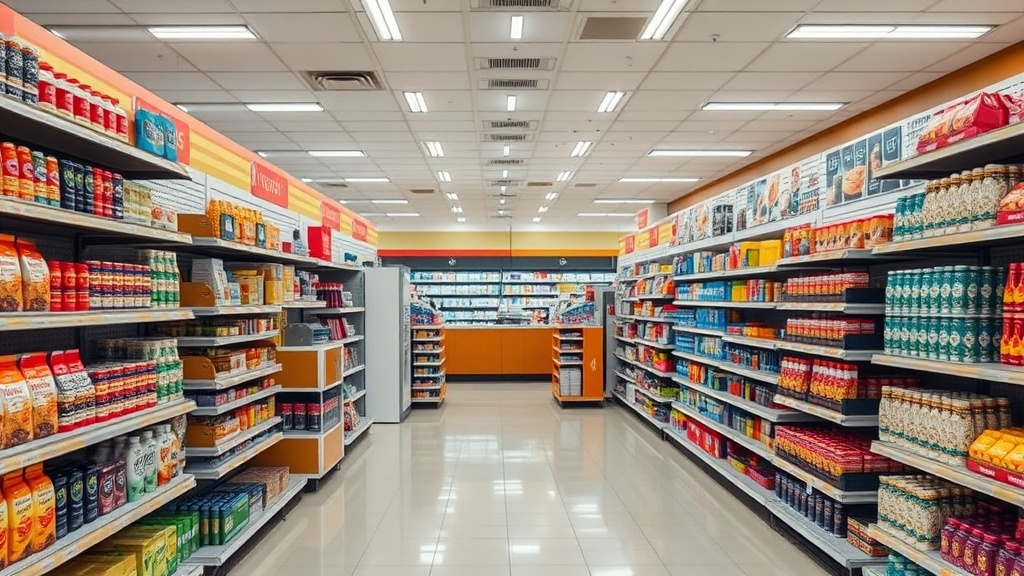
Store layout is making a comeback, and for good reason. Once considered a secondary concern, modern retailers are discovering that thoughtful store design can boost sales by up to 30% while dramatically improving operational efficiency. In the Philippines, where retail space comes at a premium and customer expectations continue rising, the art of optimizing store layout has never been more critical.
The resurgence of layout optimization isn't just about pretty displays—it's about surviving in an increasingly competitive marketplace. Industry analysts note that Filipino retailers who strategically redesigned their stores saw whopping 40% improvements in customer flow and average transaction values during 2024. This comeback story represents a fundamental shift from treating layout as an afterthought to recognizing it as a powerful sales driver.
Understanding the Strategic Foundation
Before diving into specific techniques, successful store optimization requires understanding your customer's journey. Research shows that Filipino shoppers follow predictable patterns: they turn right upon entering 70% of the time, spend more time in well-lit areas, and make purchasing decisions within the first 10-15 seconds of product exposure.
The psychology behind effective layouts centers on "the golden triangle"—the natural path customers take through your store. This triangle connects your entrance, key product displays, and checkout counter. Optimizing this pathway can increase sales conversion rates by 25%.
The foundation of any effective store layout must also consider the unique challenges of the Philippine retail environment: humidity levels affecting product placement, cultural preferences for family-oriented shopping experiences, and the importance of creating "tambayan" spaces where customers feel comfortable lingering.
The Five Core Layout Strategies
1. Master the Decompression Zone
The entrance area—your decompression zone—deserves special attention. This 5-10 foot space allows customers to transition from the outside environment into your retail space. In Philippine settings, this zone must account for weather transitions, particularly during the rainy season.
Key elements of effective franchise operations often emphasize the importance of this initial customer impression. Place shopping baskets here, but avoid overwhelming displays that create bottlenecks. Instead, use this space for seasonal promotions or Instagram-worthy displays that encourage social sharing.
2. Implement Strategic Product Placement
The "eye-level is buy-level" principle becomes even more important when considering Filipino shopping habits. Place your highest-margin items at Filipino average eye level (approximately 5'4"), but remember to create multiple sight lines for different family members shopping together.
High-demand products should be positioned at the back of your store, forcing customers to walk past other merchandise. This technique, pioneered by grocery chains like SM Markets, can increase impulse purchases by 23%. However, balance this with customer convenience—make the journey worthwhile, not frustrating.
Consider the cultural context: items for children should be placed lower, while premium products can be positioned higher to create perceived value. Family-oriented products should be grouped to encourage bulk purchasing, which aligns with Filipino shopping preferences.
3. Optimize Traffic Flow Patterns
Filipino shoppers prefer counterclockwise movement through stores, making the right-side wall your "power wall." This area should showcase your strongest product categories or promotional items. Create clear pathways that are wide enough for families with strollers or elderly shoppers using mobility aids.
The importance of training and support in retail environments highlights how staff positioning can influence customer flow. Train employees to position themselves strategically, guiding traffic naturally through high-value sections while remaining available for assistance.
4. Create Compelling Focal Points
Every 20-30 feet, create a focal point that draws the eye and encourages exploration. These can be endcap displays, product demonstrations, or even cultural elements that resonate with Filipino values—family photos showcasing your products in use, or displays celebrating local festivals.
Focal points should tell a story. Rather than simply displaying products, create scenarios that help customers envision how items fit into their lives. For food retailers, this might mean showing complete meal solutions; for fashion retailers, complete outfit combinations.
5. Maximize Vertical Space Utilization
With premium real estate costs across major Philippine cities, vertical merchandising becomes crucial. Use the upper portions of your walls for larger packaging, seasonal items, or aspirational products. The middle zones for everyday essentials, and lower areas for items targeting children.
Managing retail operations efficiently requires smart use of every available inch. Install adjustable shelving systems that can accommodate different product sizes and seasonal inventory changes without requiring major renovations.
Technology Integration for Philippine Retailers
Modern store optimization increasingly relies on technology. Point-of-sale data reveals which areas of your store generate the most sales per square foot. Heat mapping technology, now affordable for small businesses, can show you exactly where customers spend the most time.
In the Philippine context, technology integration must account for varying levels of digital literacy among customers. QR codes linking to product information work well in urban areas, while traditional signage remains important in rural locations.
Consider implementing mobile payment integration points throughout your store, not just at the main checkout. Filipino consumers increasingly prefer convenient payment options, and strategically placed payment stations can reduce checkout bottlenecks while encouraging additional purchases.
Seasonal and Cultural Adaptations
Philippine retail cycles around distinct seasons and cultural celebrations. Your layout should be flexible enough to accommodate Christmas decorations starting in September, back-to-school promotions, and regional festival tie-ins. Create modular displays that can be quickly reconfigured without disrupting core store operations.
The "Ber" months (September through December) represent peak shopping season for most Philippine retailers. Plan layouts that can handle increased foot traffic while maintaining efficient customer flow. This might mean temporarily widening aisles, adding express checkout lanes, or creating special gift-wrapping stations.
Local community engagement becomes particularly important during local festivals. Adapt your displays to celebrate regional holidays and cultural events, showing customers that your business is truly part of the community.
The Checkout Optimization Strategy
Your checkout area represents the final opportunity to influence customer spending. Position impulse-purchase items strategically: small, locally-relevant products that appeal to Filipino tastes—pasalubong items, phone accessories, or travel-sized toiletries.
Create different checkout options for different customer types. Express lanes for quick purchases, full-service counters for larger transactions, and even "family lanes" with entertainment for children during busy periods.
The checkout experience should reinforce positive brand associations. This is where excellent customer service training pays dividends, turning routine transactions into memorable experiences that encourage repeat visits.
Measuring Success and Continuous Improvement
Track key performance indicators specific to layout optimization: sales per square foot, customer dwell time, conversion rates by store section, and average transaction values. These metrics will guide your ongoing layout refinements.
Conduct regular customer feedback sessions, particularly after layout changes. Filipino customers are generally honest about their shopping experiences when asked directly. Use this feedback to fine-tune your approach and address any unintended consequences of layout modifications.
Building sustainable business operations requires constant evaluation and adjustment. Schedule quarterly layout reviews to assess what's working and what needs modification. Store layouts should evolve with your business growth and changing customer preferences.
The Efficiency-First Approach
Optimization isn't just about driving sales—it's about creating efficient operations that reduce costs and improve staff productivity. Well-designed layouts minimize the time employees spend retrieving products, restocking shelves, or assisting customers in finding items.
Consider the flow of your supply chain within your layout design. Delivery and restocking should happen seamlessly without disrupting the customer experience. Design back-of-house areas that connect logically to sales floor positioning, reducing staff movement time and improving inventory management.
Energy efficiency should also factor into your layout decisions. Position refrigerated units away from windows and heat sources, group lighting controls logically, and create natural airflow patterns that reduce cooling costs—particularly important in the Philippine climate.
The comeback of store layout optimization represents more than a trend; it's a recognition that in our digital age, physical retail spaces must work harder than ever to justify their existence. For Philippine retailers, this means creating spaces that honor local culture, accommodate family shopping patterns, and deliver measurable business results.
Success comes from balancing proven retail principles with local insights, combining data-driven decisions with cultural sensitivity. When done correctly, optimized store layouts become powerful business assets that drive both immediate sales and long-term customer loyalty, proving that sometimes the best innovations are actually strategic returns to retail fundamentals.
