
Pet-Friendly Franchises: A Growing Trend?
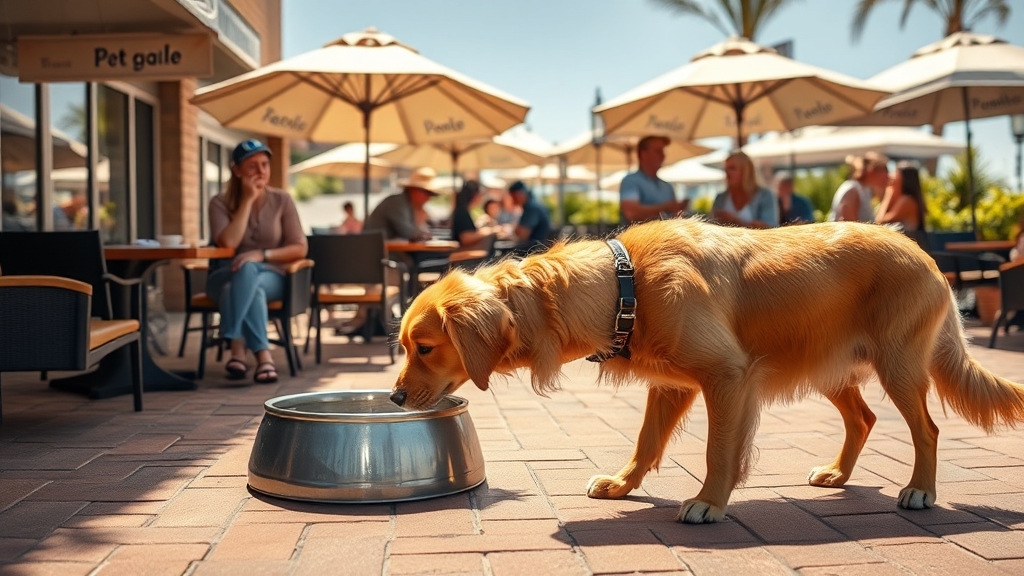
The bustling corridors of SM Megamall tell a compelling story about the evolution of Philippine consumer culture—where once only traditional retail outlets dominated the landscape, today's shoppers navigate past gleaming pet grooming salons, upscale pet hotels, and specialized pet supply stores that rival human beauty establishments in their sophistication and aesthetic appeal. This transformation reflects a broader cultural shift that has elevated pets from simple household companions to cherished family members deserving premium care and services.
Recent Philippine pet industry analysis reveals that the sector has experienced explosive growth, doubling from $54 million to $108 million between 2018 and 2024, while pet ownership statistics show that 67% of Filipino households now own dogs and 43% maintain cats as family members. This remarkable expansion has created unprecedented opportunities for franchise concepts that understand how to blend authentic Filipino values with pet-centric business models that serve an increasingly affluent and pet-conscious consumer base.
The resurgence of pet-focused franchising reflects broader changes in Filipino lifestyle priorities, where urbanization, rising disposable incomes, and evolving family structures have created demand for professional pet services that previous generations handled informally within extended family networks.
The Philippine Pet Industry Landscape
The Philippine pet care sector operates within unique cultural and economic contexts that significantly influence franchise success patterns and consumer behavior. Understanding these dynamics becomes essential for entrepreneurs who must navigate the complex relationship between traditional Filipino values and modern pet ownership expectations.
Pet ownership demographics demonstrate remarkable penetration across Filipino households, with approximately 16.4 million dogs and 2.06 million cats residing in 42% of Philippine homes. This represents one of the highest pet ownership rates in Southeast Asia, reflecting deep cultural connections between Filipinos and their animal companions that extend beyond simple ownership to genuine family integration.
Socioeconomic factors create distinct market segments within the Philippine pet industry. Higher-income households increasingly treat pets as family members, investing in premium packaged foods, professional grooming services, and specialized veterinary care. Meanwhile, lower-income families often rely on traditional feeding methods and informal care arrangements, creating diverse market opportunities for different franchise concepts.
Regional variations significantly impact franchise viability, with Metro Manila accounting for 60-70% of pet food sales while provincial markets demonstrate different consumption patterns and service preferences. Urban areas support premium pet services while rural regions may favor basic supply retail and traditional care approaches.
Understanding local demographics and market analysis becomes crucial for pet franchise operators who need to align their offerings with regional preferences and economic capabilities.
Types of Pet-Friendly Franchise Concepts
The Philippine pet franchise sector encompasses diverse business models that address various aspects of pet ownership while creating multiple entry points for entrepreneurs with different investment capabilities and operational preferences.
Pet grooming and salon franchises represent the most visible segment of pet-friendly businesses, with brands like Paws & Fur, One Fab Pooch, and Puffy Paws Heaven establishing premium service standards that rival human beauty establishments. These franchises typically require investments ranging from ₱350,000 to ₱400,000 while offering comprehensive services including professional grooming, nail care, and specialized treatments.
Pet supply retail concepts provide essential products and accessories through various formats including full-service stores, specialty boutiques, and convenience-focused outlets. These franchises often combine retail sales with basic services, creating comprehensive pet care destinations that serve diverse customer needs while maintaining operational efficiency.
Mobile pet service franchises like The Pet Express leverage celebrity endorsements and convenience-focused positioning to bring professional grooming services directly to customers' homes. These concepts require lower real estate investments while addressing urban Filipino preferences for convenient, time-saving services that accommodate busy lifestyles.
Comprehensive pet care centers such as Pooch Park and The Dog Spa & Hotel offer integrated services including grooming, boarding, daycare, and retail sales within single locations. These full-service concepts require higher investments (₱2.7 million for Pooch Park) but provide multiple revenue streams and enhanced customer loyalty through comprehensive service offerings.
The importance of understanding different franchise business models helps entrepreneurs identify concepts that align with their investment capacity and operational preferences.
Cultural Factors Driving Pet Franchise Growth
Filipino cultural values create unique advantages for pet-friendly franchises while also establishing specific expectations and operational requirements that successful brands must understand and address.
Family-centric culture naturally extends to pet ownership, where animals become integral family members deserving care, attention, and investment comparable to human family members. This cultural foundation supports premium service concepts while creating emotional connections that drive customer loyalty and word-of-mouth marketing.
Social media culture among Filipino consumers amplifies pet franchise visibility through organic content creation and sharing. Pet grooming transformations, cute animal content, and service experiences generate natural social media engagement that provides valuable marketing benefits for franchise operators who understand how to leverage these cultural tendencies.
Community orientation within Filipino neighborhoods creates opportunities for pet franchises to build strong local relationships through community events, pet shows, and social gatherings that strengthen brand connections while demonstrating genuine community investment.
Status consciousness influences pet service consumption patterns, with premium grooming, designer accessories, and professional care serving as status symbols that reflect owner success and social position. This cultural dynamic supports higher-value service concepts while creating opportunities for aspirational marketing approaches.
Understanding Filipino culture in franchise operations becomes essential for pet franchise success, as cultural alignment often determines long-term viability and community acceptance.
Economic Drivers and Market Opportunities
The Philippine pet franchise sector benefits from multiple economic trends that create sustainable growth opportunities while establishing favorable conditions for continued expansion and investment.
Rising disposable incomes among urban Filipino families enable increased pet care spending, with industry data showing many pet owners investing more than ₱500 monthly on pet products alone, excluding professional services. This spending capacity supports premium franchise concepts while creating market depth for various service levels.
Urbanization trends concentrate pet-owning households in areas with limited space and time for traditional pet care activities, creating demand for professional services that address urban lifestyle constraints. Apartment living, longer work hours, and reduced extended family support systems drive demand for professional pet care solutions.
Post-pandemic lifestyle changes have intensified human-pet relationships as remote work arrangements and increased home time strengthen emotional bonds between owners and their animals. This trend has accelerated pet adoption rates while increasing willingness to invest in pet care services and products.
E-commerce integration creates new opportunities for pet franchises to expand their reach through online sales channels, with platforms like TikTok Shop emerging as significant sales drivers for younger consumers. This digital expansion enables franchise operators to serve broader geographic areas while maintaining local service delivery.
The role of economic factors in franchise success includes understanding how macroeconomic trends influence pet industry growth and consumer spending patterns.
Investment Requirements and Financial Considerations
Pet-friendly franchises in the Philippines offer diverse investment opportunities that accommodate different financial capabilities while providing various pathways to business ownership within the growing pet care sector.
Entry-level opportunities include mobile grooming services and small-format retail concepts that require investments starting around ₱150,000 for brands like Metrodog. These lower-investment options provide accessible entry points while offering growth potential through service expansion and additional location development.
Mid-range investments encompass full-service grooming salons and pet supply stores requiring ₱350,000 to ₱400,000 initial investments. These concepts typically include comprehensive training, operational support, and established brand recognition that facilitate faster market entry and customer acquisition.
Premium franchise opportunities like comprehensive pet care centers require investments exceeding ₱2.7 million but provide multiple revenue streams, extensive territorial protection, and comprehensive support systems that justify higher initial costs through enhanced earning potential.
Ongoing operational costs include royalty fees, marketing fund contributions, inventory requirements, and staff training expenses that vary by franchise concept and operational complexity. Understanding these recurring costs helps ensure adequate working capital and sustainable profitability.
Proper franchise financing strategies become essential for pet franchise investors who need to balance initial investment requirements with long-term profitability expectations.
Operational Challenges and Success Factors
Pet-friendly franchises face unique operational considerations that require specialized knowledge, cultural sensitivity, and professional standards that differ significantly from traditional retail or service businesses.
Staff training requirements extend beyond basic customer service to include animal handling skills, breed-specific knowledge, safety protocols, and emotional intelligence for managing both pets and their owners. Successful pet franchises invest heavily in comprehensive training programs that ensure staff competency and customer confidence.
Regulatory compliance encompasses health department requirements, animal welfare standards, business licensing, and specialized permits that vary by location and service type. Food-related pet businesses face additional scrutiny while grooming services must maintain sanitation standards comparable to human health facilities.
Inventory management becomes complex when dealing with perishable pet foods, seasonal products, and specialized items that require proper storage, rotation, and temperature control. Successful operators develop sophisticated inventory systems that minimize waste while ensuring product availability and quality.
Customer relationship management requires understanding the emotional bonds between pets and owners while managing expectations, addressing concerns, and building trust through consistent service quality and genuine care for animal welfare.
Understanding daily operational requirements helps pet franchise operators develop systems that ensure consistent service delivery while maintaining profitability and brand standards.
Technology Integration and Innovation
Modern pet franchises increasingly leverage technology solutions to enhance service delivery, improve operational efficiency, and create competitive advantages within the rapidly evolving Philippine pet care market.
Point-of-sale systems designed for pet businesses include features for tracking customer pets, service histories, vaccination records, and preferences that enable personalized service delivery and improved customer relationships. These systems often integrate with inventory management and customer communication tools.
Mobile applications enable appointment scheduling, service tracking, photo sharing, and communication between pet owners and service providers. These digital tools enhance customer convenience while providing valuable data for business optimization and marketing efforts.
Social media integration becomes crucial for pet franchises where visual content drives customer engagement and acquisition. Successful operators develop content strategies that showcase service results, cute animal interactions, and customer testimonials that generate organic marketing benefits.
Online retail capabilities expand market reach while providing additional revenue streams through e-commerce sales that complement physical location services. Integration between online and offline channels creates seamless customer experiences that support loyalty and retention.
The importance of technology tools for franchise operations includes understanding how digital solutions can enhance pet franchise performance while improving customer satisfaction.
Market Challenges and Risk Factors
Despite strong growth prospects, pet-friendly franchises face significant challenges that require careful consideration and strategic planning to ensure sustainable success within the competitive Philippine market.
Veterinary shortage creates operational constraints, with only one veterinarian available for every 10,000 pet owners in the Philippines. This shortage limits access to professional medical care while creating opportunities for franchises that can provide basic health services or partner with veterinary professionals.
Market saturation concerns emerge as pet grooming salons and supply stores proliferate in urban areas, creating intense competition that pressures pricing and profit margins. Successful operators must differentiate through superior service quality, unique offerings, or specialized market positioning.
Economic sensitivity affects pet service consumption during economic downturns when discretionary spending decreases. Franchise operators must develop strategies for maintaining revenue during challenging economic periods while building customer loyalty that survives temporary financial constraints.
Regulatory evolution may introduce new requirements for pet businesses as the industry matures and government oversight increases. Staying current with regulatory changes and maintaining compliance becomes essential for long-term operational viability.
Understanding common franchise challenges helps pet franchise operators develop risk mitigation strategies while preparing for potential obstacles that could impact business performance.
Future Growth Prospects and Trends
The Philippine pet franchise sector demonstrates strong growth potential driven by demographic trends, cultural evolution, and economic development that create favorable conditions for continued expansion and innovation.
Premiumization trends show Filipino pet owners increasingly willing to invest in high-quality products and services that reflect their emotional attachment to their animals. This trend supports franchise concepts that emphasize quality, expertise, and personalized service over basic commodity offerings.
Service diversification creates opportunities for franchises to expand beyond traditional grooming and retail into specialized areas such as pet training, behavioral therapy, nutrition counseling, and wellness services that address evolving customer needs and preferences.
Geographic expansion potential exists as pet ownership spreads beyond Metro Manila into provincial cities where rising incomes and urbanization create demand for professional pet services. Successful franchise concepts may find significant opportunities in secondary markets with less competition.
Innovation opportunities include sustainable products, digital health monitoring, personalized nutrition, and experiential services that align with global pet industry trends while addressing specific Filipino market preferences and cultural values.
The role of emerging franchise concepts includes understanding how pet-friendly businesses can evolve to meet changing consumer expectations while maintaining profitability and growth.
Building Sustainable Pet Franchise Success
Successful pet-friendly franchises recognize that sustainable growth requires balancing emotional appeal with sound business fundamentals while understanding the unique cultural and economic factors that influence Philippine pet ownership patterns.
The most effective pet franchise operators understand that success depends on genuine care for animal welfare combined with professional business management that ensures consistent service quality, operational efficiency, and financial sustainability. This balance creates authentic customer relationships while building profitable businesses that can withstand competitive pressures and economic fluctuations.
Philippine entrepreneurs who approach pet franchising with comprehensive understanding of market dynamics, cultural factors, and operational requirements position themselves for success in this rapidly growing sector. By recognizing that pet franchises serve emotional needs as well as practical requirements, operators can develop strategies that create lasting value for customers while building sustainable competitive advantages.
The key lies in understanding that pet-friendly franchises succeed not just because they serve animals, but because they strengthen the human-animal bond that has become increasingly important in modern Filipino family life. This emotional foundation, combined with professional service delivery and sound business practices, creates the foundation for long-term success in the dynamic Philippine pet franchise market.
