
When Should You Renovate or "Re-Image" Your Franchise Location?
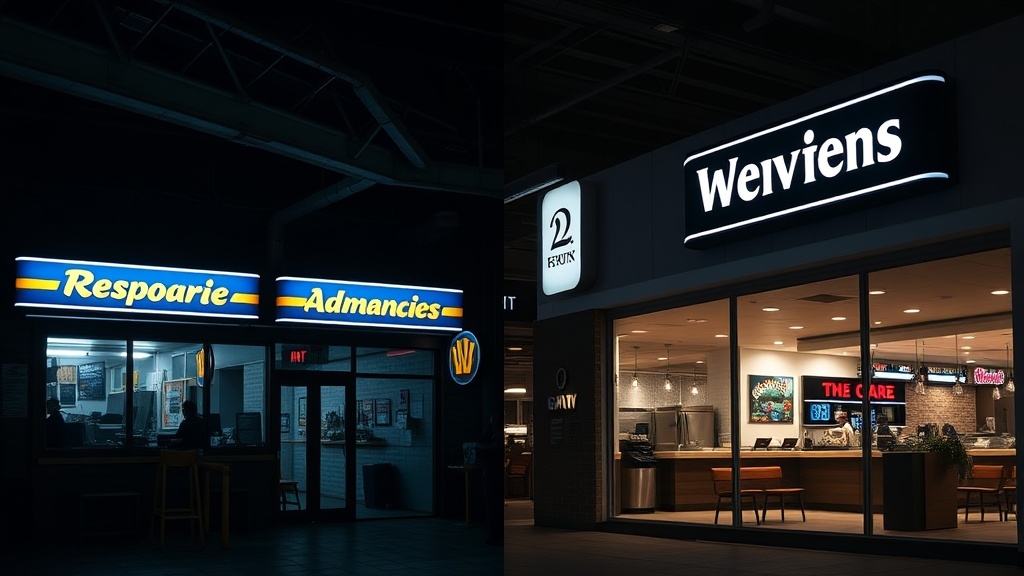
Walk into any aging franchise location—faded paint peeling at the corners, worn carpet showing years of foot traffic, fixtures that scream early 2000s—and you'll witness a business caught in the flop era of retail evolution. Yet just months after a strategic renovation, that same space can transform into a customer magnet, pulling in foot traffic and generating sales that seemed impossible before. Here's the striking reality: while most Filipino franchise owners view renovations as expensive disruptions, the smartest operators have discovered that strategic re-imaging represents one of the highest-ROI investments they can make, with some reporting whopping revenue increases of 30-50% post-renovation.
This remarkable transformation reflects a broader resurgence in understanding renovation as a competitive weapon rather than a necessary evil. Industry data shows that 73% of franchise locations that undergo comprehensive renovations within their first five years significantly outperform their non-renovated counterparts, while businesses that delay essential updates beyond seven years face an uphill battle against declining customer perception and increased competition.
The Philippine Retail Renovation Landscape
The franchise sector in the Philippines has witnessed dramatic shifts in consumer expectations and competitive dynamics over the past decade. Recent market analysis reveals that retail vacancy rates across Metro Manila rose to 15.5% in Q1 2024, driven partly by new mall openings but also by established locations failing to keep pace with evolving customer preferences.
Major developers are responding with massive renovation investments. Ayala Land allocated ₱13 billion to renovate flagship properties including Glorietta, Greenbelt 2, and Trinoma, while shopping centers like Shangri-la Plaza, SM City East Ortigas, and Robinsons Manila are implementing targeted renovation projects. This corporate-level commitment to space modernization has raised the bar for individual franchise operators who must compete for the same customer attention.
The competitive pressure has intensified particularly in food service franchises, where concept stores like Subway report renovation costs ranging from ₱3.5-4.5 million for typical locations, while major brands like KFC require franchise investments starting at ₱25 million, with significant portions allocated to design and construction. These figures reflect industry recognition that physical space directly impacts customer acquisition and retention in the Philippine market.
For Filipino franchise operators, renovation timing has become increasingly strategic. The businesses experiencing the most significant comeback success are those that view store updates not as reactive maintenance but as proactive competitive positioning that aligns with broader market evolution.
Recognizing the Critical Signs for Renovation
Declining sales performance often provides the first concrete indicator that renovation should be considered. When franchise locations experience consistent month-over-month sales decreases despite stable market conditions, the physical environment frequently contributes to customer avoidance. Research indicates that customers form impressions within the first 90 seconds of entering a retail space, and outdated aesthetics can trigger subconscious quality concerns that affect purchasing decisions.
The visual deterioration markers are often more obvious to customers than operators who see the space daily. Peeling paint, sun-faded floors, chipped tiles, scratched fixtures, and color schemes that appear dated all signal to customers that the business may not maintain high standards in other operational areas. In the Philippines, where visual presentation significantly influences consumer trust, these aesthetic issues can severely impact brand perception.
Functional obsolescence represents another critical renovation trigger that many franchise operators overlook until customer complaints escalate. Poor traffic flow, inadequate space utilization, outdated technology infrastructure, and inefficient layouts that create bottlenecks all contribute to customer frustration and reduced operational efficiency. When staff find themselves constantly navigating around operational challenges or customers express confusion about store navigation, renovation becomes essential for maintaining competitive positioning.
Increased local competition serves as an external pressure that can accelerate renovation timelines. When new competitors enter the market with modern facilities, existing franchise locations risk appearing outdated by comparison. The psychological impact extends beyond aesthetics—customers often associate newer-looking establishments with better products, fresher inventory, and superior service quality.
Safety and compliance issues provide non-negotiable renovation triggers that franchise operators must address immediately. Structural problems, plumbing failures, electrical inadequacies, or fire safety violations can force business closures and create legal liabilities that far exceed renovation costs. In the Philippines, where building code enforcement has become increasingly stringent, proactive compliance ensures uninterrupted operations.
The Strategic Timing Advantage
Off-season scheduling represents one of the most financially advantageous approaches to franchise renovation timing. For most Philippine retail operations, the period between January and March offers slower foot traffic that minimizes revenue loss during temporary closures. This timing allows franchise operators to complete renovations and reopen with fresh appeal before the summer shopping season intensifies.
Lease renewal periods provide natural renovation opportunities that many operators miss. When negotiating new lease terms, landlords may be willing to contribute to improvement costs or offer temporary rental reductions to retain established tenants. The renovation investment can also strengthen the tenant's negotiating position for more favorable lease terms, creating long-term cost savings that offset initial renovation expenses.
End-of-term considerations become particularly important for franchise operators approaching agreement renewals. Investing in significant renovations near the end of a franchise term may not provide adequate return on investment, while renovating early in a new agreement cycle maximizes the benefit period. Strategic timing ensures that renovation investments align with business lifecycle planning and financial projections.
Market timing analysis helps franchise operators capitalize on economic cycles and competitive positioning opportunities. During economic downturns, construction costs may decrease while quality contractors seek projects, creating cost advantages for renovation investments. Conversely, renovating during peak economic periods when consumer spending increases can immediately capitalize on improved facilities to capture additional market share.
Technology integration cycles often dictate renovation timing, particularly for franchise systems that require periodic updates to point-of-sale systems, kitchen equipment, or customer interface technology. Coordinating physical renovations with mandatory technology upgrades maximizes efficiency and minimizes business disruption while ensuring compliance with franchisor requirements.
Financial Considerations and ROI Analysis
Renovation budgeting for Philippine franchise operations requires careful analysis of both immediate costs and long-term financial impact. Industry data suggests that comprehensive renovations typically cost 15-25% of the original franchise investment, though this percentage varies significantly based on franchise type, location size, and renovation scope. Food service operations often require higher percentages due to kitchen equipment updates and health compliance requirements.
The return on investment calculation extends beyond simple revenue increases to include operational efficiency gains, reduced maintenance costs, and improved employee productivity. Renovated locations frequently experience decreased utility costs through energy-efficient fixtures, reduced repair expenses from updated systems, and lower staff turnover due to improved working conditions. These operational savings compound over time, contributing to overall profitability beyond direct sales increases.
Working capital requirements during renovation periods demand careful cash flow planning. Most Philippine franchise operations require 3-6 months of operating expenses in reserve to cover renovation costs, temporary revenue reductions, and potential timeline overruns. Financing options include equipment financing for major purchases, small business loans for comprehensive renovations, or franchisor financing programs that some systems offer to support location improvements.
Revenue impact analysis should consider both immediate post-renovation increases and sustained long-term improvements. Initial renovation benefits often include 15-30% sales increases during the "grand reopening" period, followed by 5-15% sustained improvements over the following year. However, these figures vary significantly based on market conditions, competition density, and renovation quality.
Tax implications provide additional financial considerations that franchise operators should evaluate before beginning renovation projects. Leasehold improvements may qualify for accelerated depreciation schedules, while certain equipment purchases might be eligible for tax credits or deductions. Consulting with accounting professionals ensures optimal tax treatment of renovation investments.
Franchisor Requirements and Brand Standards
Most established franchise systems maintain specific brand standards that dictate renovation requirements, timing, and approved suppliers. These requirements typically include periodic "refresh" mandates every 5-7 years, along with immediate updates when brand standards evolve. Understanding franchisor expectations prevents costly mistakes and ensures renovation investments align with system-wide initiatives.
Design compliance becomes particularly important when franchisors implement new prototype designs or updated brand elements. Renovation projects must incorporate required color schemes, signage specifications, layout configurations, and equipment standards to maintain franchise agreement compliance. Deviation from approved designs can result in franchise violations and potential legal consequences.
The approval process for renovation projects varies among franchise systems but typically requires submission of detailed plans, contractor certifications, and timeline confirmations before work begins. Some franchisors provide preferred contractor networks or require specific certifications to ensure quality standards and brand consistency across the system.
Co-op advertising funds may partially cover renovation costs, particularly when updates include new brand elements or marketing campaigns. Franchise operators should explore available funding support through their franchisor's marketing or development departments before finalizing renovation budgets. These programs can significantly reduce net renovation costs while ensuring brand compliance.
Training requirements often accompany major renovations, particularly when new equipment or operational procedures are implemented. Staff training costs and temporary productivity reductions should be factored into renovation budgeting and timeline planning to ensure smooth transitions and immediate operational effectiveness.
Managing the Renovation Process
Pre-renovation planning requires systematic coordination of multiple stakeholders to minimize business disruption and ensure project success. This includes securing all necessary permits from local government units, coordinating with landlords for approval and access, scheduling utility disconnections and reconnections, and managing inventory disposition or storage during construction.
Contractor selection significantly impacts renovation quality, timeline adherence, and final costs. Philippine franchise operators should prioritize contractors with retail experience, proper licensing and insurance, established local supplier relationships, and proven track records with similar projects. Reference checks with previous clients provide valuable insights into reliability and quality standards.
Communication strategies during renovation become crucial for maintaining customer relationships and managing expectations. Advance notification through social media, email lists, and in-store signage helps retain customers during temporary closures. Creating anticipation through "coming soon" messaging and behind-the-scenes content can generate excitement for the reopening.
Timeline management requires realistic scheduling that accounts for potential delays from permit processing, material delivery, weather conditions, and unforeseen complications. Adding 20-30% buffer time to contractor estimates helps prevent customer disappointment and operational stress. Daily progress monitoring ensures adherence to schedules and immediate problem resolution.
Quality control procedures throughout the renovation process protect franchise operators from substandard work that could create future problems. Regular inspections, photo documentation, and final walkthrough procedures ensure compliance with specifications and brand standards. Retaining final payment until all punch list items are completed motivates contractors to maintain quality throughout the project.
Maximizing Renovation Impact
Strategic renovation approaches focus on changes that provide the highest customer impact relative to investment costs. Customer-facing areas typically offer better return on investment than back-of-house improvements, though operational efficiency upgrades can provide significant long-term benefits. Prioritization should align with customer feedback, operational pain points, and competitive positioning objectives.
Customer experience enhancements during renovation can amplify the positive impact beyond physical improvements. Installing improved lighting, updating furniture and fixtures, optimizing traffic flow, and incorporating technology upgrades all contribute to perceived value increases. Attention to details like new uniforms for staff, updated menu boards, or enhanced ambiance creates comprehensive transformation impressions.
Marketing coordination with renovation timing maximizes awareness and customer acquisition opportunities. Grand reopening campaigns, limited-time promotions, community events, and social media engagement help announce improvements while driving immediate traffic. Local marketing partnerships can amplify reopening messaging and create buzz within the target market.
Operational system improvements integrated with physical renovations provide compounding benefits that extend well beyond aesthetic upgrades. Updated point-of-sale systems, improved inventory management, enhanced security measures, and optimized workspace design all contribute to long-term operational efficiency and profitability improvements.
Staff morale and performance often improve significantly following well-executed renovations. Employees take pride in working in updated facilities, customer interactions become more positive, and operational efficiency typically increases. These soft benefits contribute to reduced turnover, improved customer service, and sustained performance improvements that support renovation ROI.
Common Renovation Pitfalls and How to Avoid Them
Budget overruns represent the most frequent renovation challenge faced by Philippine franchise operators. Inadequate initial budgeting, scope creep during projects, unforeseen structural issues, and material cost fluctuations can significantly exceed original estimates. Maintaining 15-20% contingency reserves and detailed change order procedures help control costs while addressing necessary modifications.
Permit delays frequently extend renovation timelines beyond initial projections, creating cash flow pressures and customer disappointment. Early engagement with local government offices, professional permit expediting services, and thorough understanding of regulatory requirements minimize delays. Some franchise operators benefit from working with contractors who maintain established relationships with local regulatory offices.
Brand standard violations during renovation can create significant problems with franchisors and require costly corrections. Careful review of franchise agreement requirements, franchisor approval of all plans and materials, and regular communication with brand representatives ensure compliance throughout the process. Documentation of all approvals protects operators from potential disputes.
Contractor performance issues range from poor workmanship to timeline failures and communication problems. Thorough vetting processes, detailed contracts with performance penalties, regular progress monitoring, and clear communication protocols help minimize contractor-related problems. Retaining experienced construction management professionals can provide valuable oversight for complex projects.
Customer communication failures during renovation can permanently damage relationships that take years to rebuild. Insufficient advance notice, unclear reopening timelines, lack of alternative service options, and poor handling of customer inquiries all contribute to customer defection. Proactive communication strategies and temporary service arrangements help maintain customer loyalty through renovation periods.
Measuring Renovation Success
Establishing baseline metrics before renovation begins provides essential comparison data for measuring improvement effectiveness. Key performance indicators should include sales volumes, customer count, average transaction values, customer satisfaction scores, operational efficiency measures, and staff productivity metrics. Comprehensive data collection enables accurate assessment of renovation impact across multiple business dimensions.
Short-term success indicators typically emerge within the first 90 days following renovation completion. These include increased foot traffic, higher average transaction values, improved customer feedback scores, enhanced social media engagement, and positive community response. Monitoring these early indicators helps identify areas requiring additional attention or marketing support.
Long-term impact assessment requires sustained data collection over 12-18 months to account for seasonal variations and market changes. Sustained improvements in customer retention, increased market share, enhanced brand perception, operational cost reductions, and staff satisfaction all contribute to renovation ROI calculations. Comparing performance against similar locations provides additional context for success measurement.
Customer feedback analysis provides qualitative insights that complement quantitative performance data. Social media reviews, customer surveys, comment cards, and direct feedback help identify specific renovation elements that resonate most strongly with customers. This information informs future renovation decisions and helps optimize ongoing operational improvements.
Financial performance tracking should isolate renovation-related improvements from other business factors through careful analysis of comparable periods, market conditions, and competitive changes. Professional accounting support may be valuable for complex ROI calculations that account for depreciation, financing costs, and opportunity costs of renovation investments.
The strategic renovation of franchise locations represents far more than cosmetic improvements—it's a comprehensive business strategy that addresses competitive positioning, operational efficiency, customer experience, and long-term profitability. For Philippine franchise operators, the decision to renovate should be based on systematic analysis of market conditions, financial capacity, franchisor requirements, and strategic business objectives.
The most successful renovation outcomes result from understanding that physical space improvements serve as catalysts for broader business transformation. When approached strategically, renovations become investment opportunities that strengthen market position, enhance customer relationships, improve operational performance, and create sustainable competitive advantages in an increasingly crowded marketplace.
The franchise operators experiencing the most remarkable comebacks through renovation aren't just updating their physical spaces—they're repositioning their entire business for future growth while demonstrating commitment to excellence that resonates with customers, staff, and the broader business community. In today's competitive Philippine franchise landscape, renovation isn't just about looking better—it's about performing better in every aspect of business operations.
