
Second-Generation Franchising: Passing the Business to Your Kids in the Philippines
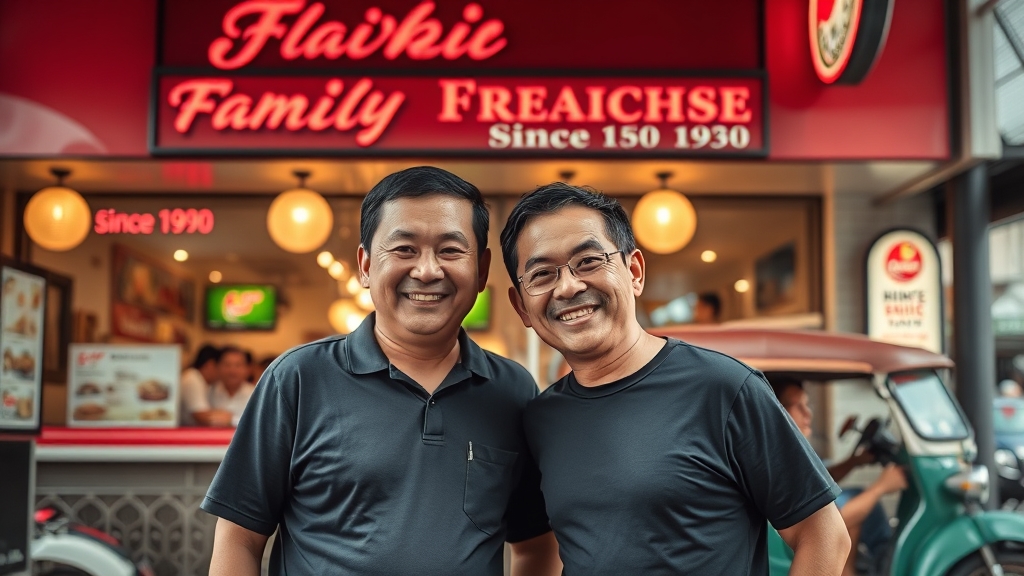
In the Philippines, business is deeply intertwined with family. The dream for many entrepreneurs isn't just to build a successful enterprise, but to create a lasting legacy, a financial engine that can be passed down through generations. For the first wave of successful Filipino franchisees who emerged over the last two decades, this dream is now becoming a critical reality. Their children, many of whom grew up in the stockrooms and behind the counters of these franchised outlets, are coming of age.
This has given rise to a pivotal trend: second-generation franchising. It’s the intricate process of passing the torch—and the franchise agreement—to an heir. On the surface, it seems like the natural order of things, a seamless continuation of a family enterprise. But beneath this simple aspiration lies a complex web of legal obligations, emotional family dynamics, and strict corporate governance.
Unlike an independent sari-sari store or a family-owned restaurant, a franchise is not a simple asset to be bequeathed. It is a licensed right to operate someone else’s system. Successfully navigating this transition requires more than just a willing child; it demands a strategic plan that satisfies the franchisor, prepares the successor, and preserves the family’s hard-won investment for the future.
The Great Misconception: A Franchise Isn't an Inheritance
The first and most crucial lesson in franchise succession is a legal one. In the Philippines, a franchise is not automatically inheritable property in the traditional sense. The business is governed by a franchise agreement, a legally binding contract between the original franchisee and the franchisor. This document almost universally contains a "nontransferability" clause.
This clause explicitly states that the franchise rights cannot be sold, leased, or transferred to any other party—including a family member—without the prior written consent of the franchisor. From the franchisor's perspective, this makes perfect sense. They awarded the franchise to a specific individual based on their qualifications, financial stability, and perceived commitment. They have no obligation to accept a successor, even if that successor is the owner's child.
Therefore, the process is not one of inheritance but of a proposed transfer. The franchisee must formally petition the franchisor to approve their child as the new owner. This initiates a rigorous vetting process where the heir is evaluated with the same, if not greater, scrutiny as a brand-new applicant. This legal reality is a crucial distinction and understanding the specific roles of the franchisor and franchisee is the first step in managing this delicate negotiation.
The Family Factor: Planning for a Successful Handoff
While the franchisor holds the ultimate veto power, the most challenging part of the succession journey often happens within the family itself. Family business succession is notoriously fraught with emotion and conflict, and adding the layer of a franchise system only amplifies the stakes. A successful transition requires deliberate, long-term planning.
Initiating the Conversation Early
Experts in family business governance in the Philippines stress that succession planning should ideally begin five to ten years before the intended transition. It starts with open and honest conversations. Does the child genuinely want to take over the business? For many second-generation kids, the franchise can feel more like a predetermined destiny than a personal choice. Forcing an unwilling or uninterested heir into the role is a near-certain recipe for failure, which is why passion is still considered a critical ingredient for success.
Formal Training Over Lifelong Osmosis
A common pitfall is the assumption that because a child grew up around the business, they are inherently qualified to run it. While this lifelong exposure is valuable, it is no substitute for formal training and real-world experience. A structured development plan is essential. This could involve:
- Formal Education: Pursuing a degree in business management, hospitality, or a related field.
- Working from the Ground Up: Requiring the heir to work in every role within the franchise, from crew member to shift supervisor to store manager, to earn respect and understand the business at a granular level.
- External Experience: Encouraging the child to work for another company, even in a different industry, to gain outside perspective, management skills, and a professional identity separate from their family name.
This structured path helps the heir build genuine competence and authority, ensuring they are not just the "owner's kid" but a capable leader in their own right. They must earn the position, not just inherit it.
Choosing the Right Successor
In families with multiple children, the choice of successor can be a source of intense conflict. The decision should be based on merit, skill, and interest—not on birth order or tradition. The most successful transitions often involve identifying the child who possesses the key qualities of a successful franchise owner: a blend of operational discipline, financial acumen, and strong people skills.
The Franchisor's Gauntlet: Proving the Heir's Mettle
Once the family has a chosen and prepared successor, they must face the franchisor. The franchisor’s primary concern is protecting their brand and ensuring the continued success of the outlet. They need to be convinced that the new owner will uphold the standards and profitability of the location. The approval process typically involves several stages:
- Formal Application: The heir must submit a comprehensive application, including detailed financial statements to prove their financial capacity.
- Interviews and Assessments: The franchisor will conduct multiple rounds of interviews to gauge the candidate's business acumen, understanding of the franchise system, and commitment to the brand. Personality and psychological assessments are also common.
- Mandatory "Discovery Day" and Training: The heir will almost always be required to complete the franchisor’s full franchisee training program, even if they have years of informal experience. This ensures they understand the system from the franchisor's official perspective. This dedication to comprehensive training and support is a non-negotiable part of the brand-protection process.
- Transfer Fees: The approval usually comes with a significant transfer fee. This fee covers the franchisor’s administrative costs for the vetting and training process and is often a percentage of the initial franchise fee.
This entire process can be lengthy and demanding. The franchisor is not just looking for a competent manager; they are looking for a true partner who embodies the brand’s values.
The Benefits and a Minefield of Perils
When executed correctly, second-generation franchising can be immensely powerful. The business benefits from a leader who has an intimate, lifelong connection to it. There is continuity in local relationships with customers and suppliers. For the family, it is the fulfillment of a legacy. Brands like Julie's Bakeshop have publicly celebrated their numerous second and even third-generation franchisees as a testament to the sustainability of their model.
However, the path is littered with potential dangers. The single greatest risk is an heir who lacks the drive and passion of the founder. The first generation fought to build the business; the second can sometimes fall into the trap of simply managing it, losing the entrepreneurial spark that drives growth. Other potential issues include sibling rivalry, resistance from long-term employees who have difficulty reporting to the "kid," and the heir feeling suffocated by the founder's shadow. A breakdown in this delicate balance is a common reason why franchises fail.
Conclusion: A Deliberate Act of Legacy-Building
Passing a franchise to the next generation in the Philippines is far more than a simple transfer of assets. It is a strategic, and often challenging, tripartite negotiation between the founding franchisee, their chosen successor, and the protective franchisor.
It requires the family to embrace merit over bloodline and to invest seriously in the heir's development. It requires the heir to demonstrate genuine passion and competence, earning their role rather than simply accepting it. And it requires the franchisor to be a willing partner, guiding the transition to ensure their brand's integrity remains intact.
For Filipino families who successfully navigate this process, the reward is profound. They don't just secure a financial future for their children; they transform a personal business success into an enduring family legacy.
