
A Guide to Securing a Prime Location in a Top-Tier Mall (SM, Ayala, Robinsons)
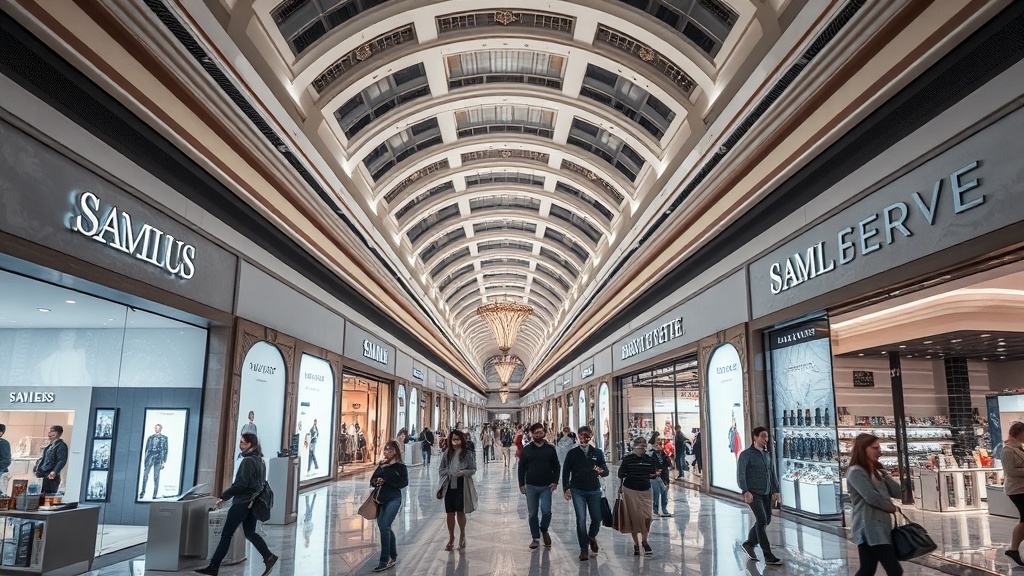
The gleaming marble floors, towering atriums, and endless streams of shoppers—top-tier malls in the Philippines represent the pinnacle of retail real estate. Yet beneath their polished facades lies a cutthroat competition for the most coveted spots, where businesses fight tooth and nail for locations that can make or break their fortunes. For entrepreneurs and established brands alike, landing a prime space in SM, Ayala, or Robinsons malls has become the holy grail of retail success.
But here's the twist: securing these premium locations has become exponentially more challenging—and expensive—than ever before. As the Philippine economy rebounds and consumer spending surges, average retail rents in Manila have climbed to PHP 1,705 per square meter per month, with prime locations commanding significantly higher rates. Yet the rush to secure these spaces continues unabated, driven by one undeniable truth: location remains king in the retail world.
The Anatomy of Prime Mall Real Estate
Prime locations within these retail giants aren't just about foot traffic—they're strategic positions that can transform struggling businesses into market leaders. These coveted spots typically include areas near main entrances, escalator landings, food court entrances, and anchor tenant adjacencies.
In SM malls, for instance, kiosk spaces command rates of PHP 9,300 per square meter plus VAT, electricity, and air conditioning costs. Meanwhile, Ayala Malls charges around PHP 800 per square meter plus CUSA (Common Use Service Area), air conditioning, pest control, and VAT, which can escalate total costs to approximately PHP 1,400 per square meter for an 80-square-meter space.
Understanding the Mall Hierarchy
Each mall group operates with distinct priorities and tenant selection criteria. SM Prime, the Philippines' largest mall operator, focuses heavily on anchor tenants and high-traffic generators. Analyzing support systems becomes crucial when evaluating which mall group aligns best with your business model. Ayala Malls emphasizes premium brands and lifestyle concepts, while Robinsons Land Corporation seeks a balanced mix of national and local retailers.
The Application Process: Navigating the Bureaucratic Maze
The journey to securing prime mall space begins with understanding each mall group's unique application requirements. The process typically involves multiple stages of scrutiny, from initial concept evaluation to final lease negotiations.
Initial Documentation Requirements
Mall operators require comprehensive business documentation before considering any application. For Ayala Malls, prospective tenants must submit a Letter of Intent accompanied by detailed company profiles, concept descriptions, target market analysis, and product/merchandise mix information. Certified monthly gross sales statements from the previous 12 months are mandatory, along with photographs of existing outlets if applicable.
Robinsons Land Corporation follows similar protocols, requiring detailed tenant passes and comprehensive business permits. All tenants and employees must secure Tenant Passes from the Mall Operations Department before gaining mall access, highlighting the strict security and operational standards these establishments maintain.
The Financial Scrutiny Process
Beyond basic documentation, mall operators conduct thorough financial due diligence. Banks certificates from business accounts, SEC or DTI registrations, and detailed concept papers form the foundation of every application. This financial vetting process can take weeks or months, with mall management evaluating not just current financial health but projected performance and brand compatibility.
Presentation and Discovery
Successful applicants often proceed to presentation phases where business concepts are evaluated against mall demographics and existing tenant mix. Understanding the importance of training support becomes vital during these presentations, as mall operators prefer tenants who demonstrate operational sophistication and long-term viability.
Cost Structures: Beyond Base Rent
The true cost of prime mall real estate extends far beyond advertised rental rates. Mall operators employ complex fee structures that can significantly impact overall operational expenses.
Common Area Maintenance and Utilities
Common Use Service Area (CUSA) or Common Area Maintenance (CAM) fees represent substantial ongoing expenses. These cover mall maintenance, security, cleaning, and facility management services. Ayala Malls typically charges these fees separately from base rent, while other operators may bundle certain services.
Air conditioning charges, pest control fees, and utility connections add additional layers to the cost structure. For food service operators, special ventilation requirements and grease trap maintenance can further escalate expenses.
Marketing and Promotional Fees
Mall operators often require tenant participation in promotional activities and advertising funds. These mandatory contributions support mall-wide marketing campaigns, seasonal promotions, and special events designed to drive foot traffic.
Strategic Location Selection Within Malls
Not all prime locations are created equal. Understanding traffic patterns, anchor tenant positioning, and customer flow dynamics determines long-term success potential.
Traffic Flow Analysis
Prime spots capitalize on natural customer movement patterns. Locations near escalators and elevators benefit from constant pedestrian traffic, while spaces adjacent to anchor tenants like SM Supermarket or department stores capture spillover customers. Food court proximity offers advantages for quick-service concepts, though competition intensifies accordingly.
Demographic Alignment
Each mall attracts distinct demographic profiles that influence tenant success. SM malls traditionally cater to middle-income families and value-conscious shoppers, while Ayala properties target affluent consumers and lifestyle-oriented demographics. Site selection and location strategy requires careful consideration of these customer profiles against business positioning.
Negotiation Strategies and Lease Terms
Successful lease negotiations extend beyond rental rates to encompass operational flexibility, expansion options, and long-term strategic positioning.
Rent Escalation Clauses
Mall leases typically include annual rent escalation provisions ranging from 5% to 15%. Negotiating reasonable escalation rates and caps protects against excessive future increases while maintaining operational viability.
Operational Flexibility
Securing rights to modify store layouts, extend operating hours, and implement promotional activities requires careful contract negotiation. Mall operators maintain strict operational standards, but successful tenants often secure reasonable accommodation for business-specific requirements.
Renewal and Expansion Rights
Prime locations generate waiting lists of prospective tenants. Negotiating first right of refusal for adjacent spaces and favorable renewal terms protects long-term positioning. Understanding lease agreement essentials becomes crucial during these negotiations.
Building Relationships with Mall Management
Success in premium mall real estate often depends on cultivating strong relationships with leasing teams and operational management. These relationships influence not just initial lease approval but ongoing operational support and future expansion opportunities.
Operational Excellence
Mall operators prioritize tenants who maintain high operational standards, meet sales targets, and contribute positively to overall mall atmosphere. Consistent performance builds credibility for future expansion discussions and preferential treatment in location assignments.
Community Participation
Active participation in mall events, promotional campaigns, and tenant association activities demonstrates commitment to collective success. These relationships often translate into insider knowledge about upcoming space availability and expansion opportunities.
The battle for prime mall real estate in the Philippines reflects broader economic trends driving consumer spending and retail expansion. As urbanization continues and middle-class spending power grows, competition for these coveted locations will likely intensify further. Success requires not just financial resources but strategic thinking, operational excellence, and relationship-building skills that extend far beyond simple lease negotiations.
For entrepreneurs and businesses ready to invest in premium retail locations, understanding these complex dynamics represents the first step toward securing spaces that can transform business fortunes. The investment is substantial, the competition fierce, but for those who succeed, the rewards can be extraordinary.
The modern Philippine retail landscape demands sophistication, patience, and substantial capital investment. Yet for businesses prepared to meet these challenges, prime mall locations remain among the most reliable paths to retail success in Southeast Asia's most dynamic consumer market.
