
How to Spot "Zombie Franchises" (Brands That Are No Longer Innovating)
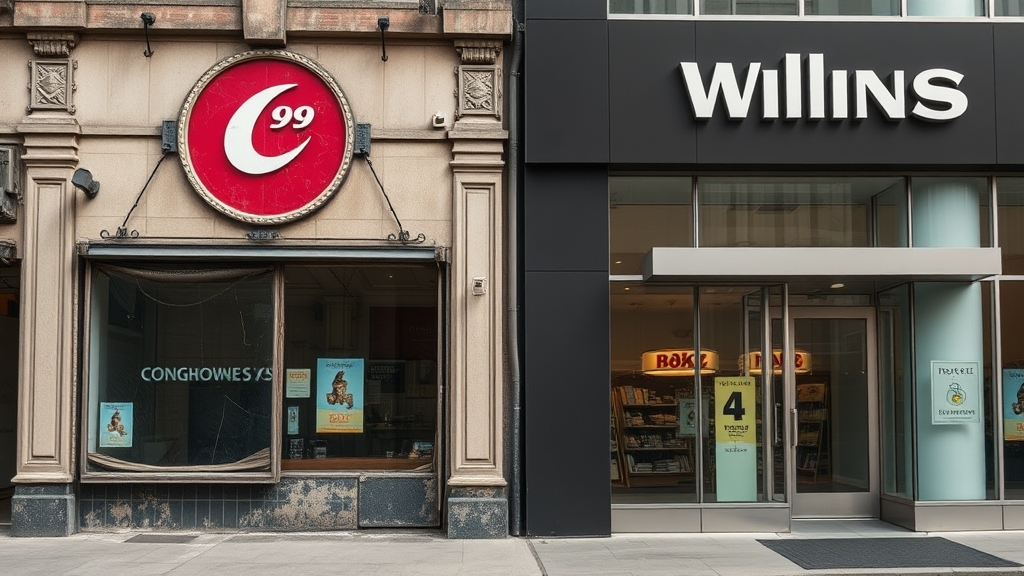
In the bustling, hyper-competitive world of Philippine franchising, a new kind of terror is stalking aspiring entrepreneurs. It doesn’t announce itself with a bang or a spectacular collapse. Instead, it shuffles quietly in plain sight, a familiar name with a fading pulse. This is the rise of the "zombie franchise"—a brand that is neither dead nor truly alive, a relic of a bygone era that has forgotten how to evolve.
The numbers paint a stark picture of a market in flux. While the Philippine franchise sector is projected to grow by a healthy 8-10% in 2025, this growth masks a brutal reality of creative destruction. For every new, dynamic concept capturing the public's imagination, another, older brand is quietly sliding into irrelevance. Investing in one of these zombies is more than just a financial risk; it’s like buying a ticket on a ship that has already been decommissioned, even if the lights are still on. Spotting these walking-dead brands before you sign on the dotted line has become the single most crucial survival skill for today’s franchisee.
What, Exactly, Is a Zombie Franchise?
A zombie franchise is a brand that has ceased to innovate. It operates on autopilot, often coasting on a reputation built a decade or more ago. The stores are open, the royalty checks are cashed, but the core engine of the business—the ability to adapt, improve, and excite—has seized up.
Think of that food stall in the mall that looks exactly the same as it did when you were in high school: same faded menu board, same tired uniforms, same predictable offerings. While competitors are launching new flavors, embracing delivery apps, and creating Instagrammable moments, the zombie franchise just… exists. It’s a ghost in the machine of modern commerce, and its decline is often so slow and quiet that franchisees don’t realize they’re trapped until it's far too late. This stagnation is one of the leading reasons why franchises fail, even if the brand itself manages to hang on for years.
This phenomenon is particularly dangerous in the Philippines, where consumer tastes are evolving at breakneck speed. A market that has embraced everything from Korean street food to plant-based everything has no patience for brands that are stuck in the past.
The Telltale Signs: A Field Guide to Identifying the Undead
Spotting a zombie franchise requires a keen eye and a healthy dose of skepticism. They are masters of disguise, hiding their decay behind a once-trusted logo. Here are the undeniable signs that a brand is no longer innovating.
1. A Time-Capsule Ambiance
The most obvious sign is sensory. Walk into one of their stores. Does it feel vibrant and current, or does it feel like stepping into a time warp?
- Outdated Design: The look and feel of the stores—from the wall paint and furniture to the packaging and staff uniforms—are dated. They haven’t had a significant redesign or refresh in over five years, a lifetime in the fast-paced retail world.
- Poor Maintenance: Beyond being dated, stores may look worn down. Peeling paint, flickering lights, and scuffed floors are not just signs of a poorly managed individual outlet; they can indicate a system-wide lack of investment and pride. A franchisor who is proud of their brand ensures that every location helps to evaluate the brand’s reputation positively.
2. Stuck in the Analog Age
In a country where the digital economy is booming, technological irrelevance is a death sentence. Zombie franchises are consistently behind the tech curve.
- No Seamless Online Experience: They have a clunky, non-mobile-friendly website (or none at all). They aren't on major delivery platforms like Grab or FoodPanda, or if they are, their presence is poorly managed.
- Ignoring Social Media: Their social media pages are inactive, uninspired, or filled with low-quality posts. They aren't engaging with customer comments or leveraging platforms like TikTok and Instagram where their target audience lives.
- Outdated In-Store Tech: They still rely on old-fashioned cash registers instead of modern Point-of-Sale (POS) systems. There are no customer loyalty programs, self-ordering kiosks, or digital payment options like GCash or Maya. A lack of investment in modern technology tools for franchisees is a glaring red flag.
3. The Sound of Silence: An Uninspired Menu
The core product or service is the heart of any franchise. A zombie franchise’s heart has stopped beating with new ideas.
- The Stagnant Menu: The product or service offering has not changed in years. There are no new flavors, seasonal specials, or attempts to cater to modern consumer demands like healthier options, sustainable sourcing, or local flavor profiles.
- Ignoring Market Trends: While competitors are adapting to the rise of health and wellness, the demand for convenience, or the boom in niche markets (like specialty coffee or pet services), the zombie franchise stubbornly sticks to its original formula, oblivious to the world changing around it.
4. A Disengaged or Dissatisfied Network
The health of a franchise system can be measured by the happiness of its franchisees. In a zombie system, the franchisees are often the first victims.
- High Franchisee Turnover: The franchisor may be selling new franchises, but are they keeping the ones they have? A high number of store closures or resales is a sign of deep-seated problems.
- Apathetic or Fearful Franchisees: When you speak to current owners, they sound resigned, frustrated, or apathetic. They may complain about a lack of support, poor communication, or the franchisor's unwillingness to listen to feedback. They feel more like royalty-paying tenants than valued partners.
- No Voice for Franchisees: The franchisor has no formal mechanism for feedback, like a Franchise Advisory Council (FAC). This indicates a top-down, "our way or the highway" management style that stifles the very people who have the most valuable on-the-ground insights.
How to Protect Yourself from a Zombie Apocalypse
Falling for a zombie franchise is an avoidable tragedy. It requires rigorous due diligence that goes far beyond reading the company’s marketing materials.
1. Become an Investigative Journalist
Your most important task is to talk to the people on the inside. Make it your mission to have candid conversations with at least five to ten current and former franchisees. The insights gained from talking to current and former franchisees are invaluable. Ask pointed questions:
- "What has the franchisor done in the last two years to help you grow your sales?"
- "How does the franchisor support you with technology and marketing?"
- "What is the process for suggesting new ideas, and have you ever seen one implemented?"
- "If you could go back, would you make this investment again?"
2. Analyze Their Digital Ghost
Conduct a thorough audit of their entire digital presence. Compare their website, social media activity, and app (if any) to their top three competitors. Is there a significant gap in quality, activity, and customer engagement? In today's market, a weak digital footprint is a sign of a weak business.
3. Ask the Franchisor the Hard Questions
During your discovery day or meetings with the franchisor, shift from being a passive buyer to an active investigator. Don't be afraid to ask challenging questions. This is one of the most important questions to ask your franchisor before making a decision.
- "Can you show me your product innovation roadmap for the next three years?"
- "What major technology upgrades have you implemented in the last 24 months, and what is planned?"
- "How do you measure franchisee satisfaction, and can I see the latest results?"
- "What is your strategy for adapting to the changing Filipino consumer?"
A strong, forward-thinking franchisor will welcome these questions and have impressive answers. A zombie franchisor will likely be evasive, defensive, or give you generic corporate-speak.
Don't Get Bitten
The promise of franchising is the promise of a living, breathing system that grows and adapts with you. It’s a partnership designed for mutual success. A zombie franchise breaks this promise. It offers the illusion of safety while providing a blueprint for obsolescence.
In the dynamic and exciting landscape of Philippine business, there is no room for the walking dead. By learning to spot the signs of stagnation, you can avoid the costly mistake of investing in a brand whose best days are already behind it. Your entrepreneurial future depends not on the reputation a brand once had, but on the vision and vitality it demonstrates today.
