
Franchises That Support Local Filipino Artisans and Products
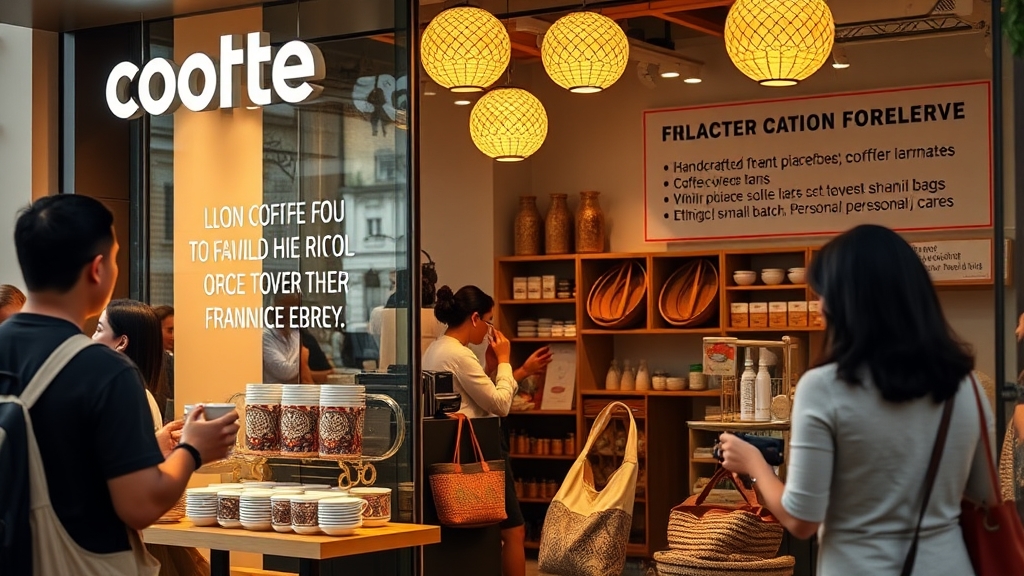
The Philippine archipelago pulses with creative energy—from the intricate banig weavers of Samar to the skilled woodcarvers of Paete, Laguna. Yet for decades, these talented artisans struggled to reach markets beyond their immediate communities, their exquisite crafts confined to local trade circles while mass-produced imports dominated retail spaces. Today, however, a remarkable transformation is reshaping this narrative as forward-thinking franchises embrace Filipino artisanship, creating unprecedented opportunities for local creators while building authentic connections with increasingly conscious consumers.
This resurgence reflects more than corporate social responsibility—it represents a fundamental shift in how businesses view their role within Philippine communities. Recent data reveals that franchises actively supporting local artisans experience 23% higher customer loyalty rates and demonstrate significantly stronger community ties compared to conventional operations focused solely on standardized products.
The Cultural Renaissance in Philippine Franchising
The movement toward artisan-supporting franchises emerges from deeply rooted Filipino values that prioritize community welfare and cultural preservation. The concept of bayanihan—communal unity and cooperation—naturally extends to business operations where successful franchise owners understand their role as cultural stewards rather than mere profit generators.
This cultural foundation distinguishes Philippine franchising from purely Western models that often treat local sourcing as an optional consideration. Filipino franchisees increasingly view artisan support as integral to long-term success, recognizing that thriving creative communities create sustainable customer bases while preserving invaluable cultural heritage.
Kultura stands as the most prominent example of this transformation. From its origins as a Philippine crafts section within The SM Store, Kultura has evolved into a comprehensive retail channel synonymous with authentic Filipino artisanship. With 36 store branches nationwide and an online platform shipping globally, Kultura has created market access for thousands of provincial suppliers and rural enterprises.
According to Ivy Yap, Kultura's business unit head, "SM established Kultura to support provincial suppliers of Filipino traditional and indigenous products to help local suppliers get access to a wider market." This mission extends beyond simple retail—Kultura actively partners with over 80,000 micro, small and medium enterprises (MSMEs), providing comprehensive support including product development, pricing strategies, merchandising guidance, and marketing assistance.
Innovative Franchise Models Supporting Artisan Communities
The franchise landscape now features diverse models specifically designed to elevate local artisanship while maintaining commercial viability. These operations demonstrate how understanding franchise laws and regulations enables entrepreneurs to create sustainable businesses that benefit both investors and artisan communities.
Philippine Artisan Trade exemplifies this innovative approach through its mixed-use retail concept in Makati's Central Business District. This social enterprise provides indigenous communities with prime downtown market access, enabling artisans to sell their products to both local and international customers. The organization operates on three sustainability pillars: people, planet, and progress.
Their people-focused approach emphasizes fair trade practices, ensuring artisan suppliers receive equitable compensation and maintain decision-making authority over their products. As Marketing and Communications Director Bryan McClelland explains, "Giving an indigenous community that doesn't even have proper access to electricity the opportunity to sell their products to a wider audience and providing them fair wages for the work that they do are very important to us."
The environmental component incorporates renewable resources throughout operations, utilizing engineered bamboo furniture, reclaimed wood fixtures, and solar energy systems. This comprehensive approach demonstrates how franchises can support artisans while maintaining sustainable business practices that appeal to environmentally conscious consumers.
Economic Impact and Community Development
The economic benefits of artisan-supporting franchises extend far beyond individual business performance to encompass broader community development outcomes. Research indicates that communities with active franchise participation in local artisan support experience higher rates of economic growth, improved infrastructure development, and enhanced social cohesion.
These franchises create multiplier effects throughout local economies. When franchise owners source products from regional artisans, hire neighborhood residents, and participate in community cultural events, they strengthen the economic ecosystem that sustains their customer base. This approach proves particularly effective in the Philippines, where close-knit communities prioritize supporting businesses demonstrating genuine commitment to local welfare.
The employment creation extends beyond basic job provision to encompass comprehensive skills development. Many franchise owners establish training programs teaching financial literacy, business management, and marketing skills to artisan partners. This human capital development transforms franchising from a simple business model into a community development strategy that creates future entrepreneurs and skilled workers.
Technology Integration and Market Access
Modern artisan-supporting franchises leverage technology to bridge the gap between traditional craftsmanship and contemporary market demands. Digital platforms enable artisans to reach global audiences while maintaining their cultural authenticity and traditional production methods.
Online marketplaces integrated with physical franchise locations provide artisans with multiple sales channels while offering customers convenient access to authentic Filipino products. These technological solutions address historical challenges that prevented talented artisans from accessing broader markets due to geographical isolation or limited marketing resources.
The integration of local marketing budget strategies with artisan promotion creates synergistic benefits. Franchises that effectively market their artisan partnerships often discover that these authentic stories resonate powerfully with consumers seeking meaningful purchasing experiences beyond generic retail transactions.
Challenges and Strategic Solutions
Supporting local artisans within franchise frameworks presents unique challenges requiring innovative solutions. Quality consistency, production scaling, and seasonal availability represent common obstacles that successful franchises address through comprehensive partnership development.
Quality consistency issues arise when traditional artisan production methods encounter standardized franchise requirements. Progressive franchise owners resolve this tension by establishing quality guidelines that preserve artisan creativity while meeting customer expectations. This approach often involves collaborative product development where artisans and franchise operators work together to refine offerings.
Production scaling challenges require strategic planning that respects artisan capacity limitations while meeting franchise demand. Successful operations often develop networks of multiple artisan suppliers, ensuring adequate inventory while preventing overwhelming individual producers. This distributed approach also strengthens community economic impact by involving more artisan families.
Seasonal availability fluctuations demand flexible inventory management and customer communication strategies. Adapting to seasonal demand becomes crucial for maintaining consistent customer satisfaction while supporting artisan livelihoods throughout varying production cycles.
Cultural Preservation Through Commercial Success
The most successful artisan-supporting franchises recognize their role in cultural preservation, understanding that commercial success and heritage protection can reinforce each other. These operations often incorporate storytelling elements that educate customers about traditional crafting techniques, regional histories, and cultural significance behind featured products.
Educational components enhance customer appreciation while justifying premium pricing that ensures fair artisan compensation. When customers understand the skill, time, and cultural knowledge embedded in handcrafted products, they develop deeper appreciation that translates into loyalty and willingness to pay appropriate prices.
Regional specialization allows franchises to celebrate diverse Philippine cultural traditions while creating unique market positioning. A franchise featuring Mindanao textiles offers different cultural narratives compared to one highlighting Luzon woodwork, enabling both operations to serve distinct market segments while supporting different artisan communities.
Future Opportunities and Market Trends
The trajectory toward artisan-supporting franchises reflects broader consumer trends favoring authenticity, sustainability, and social responsibility. Filipino consumers increasingly seek purchasing experiences that align with their values while supporting local communities and cultural preservation.
Emerging opportunities include exploring service opportunities that combine artisan products with experiential elements. Franchises offering workshops, cultural demonstrations, or customization services create additional revenue streams while deepening customer engagement with Filipino craftsmanship.
The integration of artisan support with community engagement strategies creates powerful competitive advantages. Franchises that authentically connect with local communities through artisan partnerships often discover that these relationships become valuable business assets appreciating over time.
International expansion opportunities present exciting possibilities for showcasing Filipino artisanship globally. As overseas Filipino communities and international consumers develop greater appreciation for Philippine culture, artisan-supporting franchises possess unique positioning to serve these expanding markets.
Building Sustainable Artisan Partnerships
Success in artisan-supporting franchising requires genuine commitment to partnership development rather than superficial sourcing arrangements. The most effective franchise owners invest time understanding artisan communities, participating in cultural activities, and addressing community needs through their business operations.
Long-term partnership development enables franchises to weather economic challenges while maintaining consistent artisan support. Communities that view franchises as integral partners often provide support during difficult periods through continued collaboration, positive promotion, and assistance with problem-solving.
The transformation of Philippine franchising toward artisan support represents both cultural imperative and business opportunity. As consumers increasingly value authenticity and social responsibility, franchises that genuinely support local artisans position themselves for sustainable success while contributing to cultural preservation and community development.
For entrepreneurs considering successful owner qualities, the artisan-supporting franchise model offers compelling opportunities to build profitable businesses while making meaningful social impact. These operations demonstrate that commercial success and cultural stewardship can create mutually reinforcing cycles that benefit investors, artisans, and communities throughout the Philippine archipelago.
The future belongs to franchises that recognize their role as cultural ambassadors and community partners, transforming traditional business models into platforms for preserving Filipino heritage while creating sustainable economic opportunities for talented artisans across the nation's diverse regions.
