
The Top Pet-Related Franchises in the Philippines
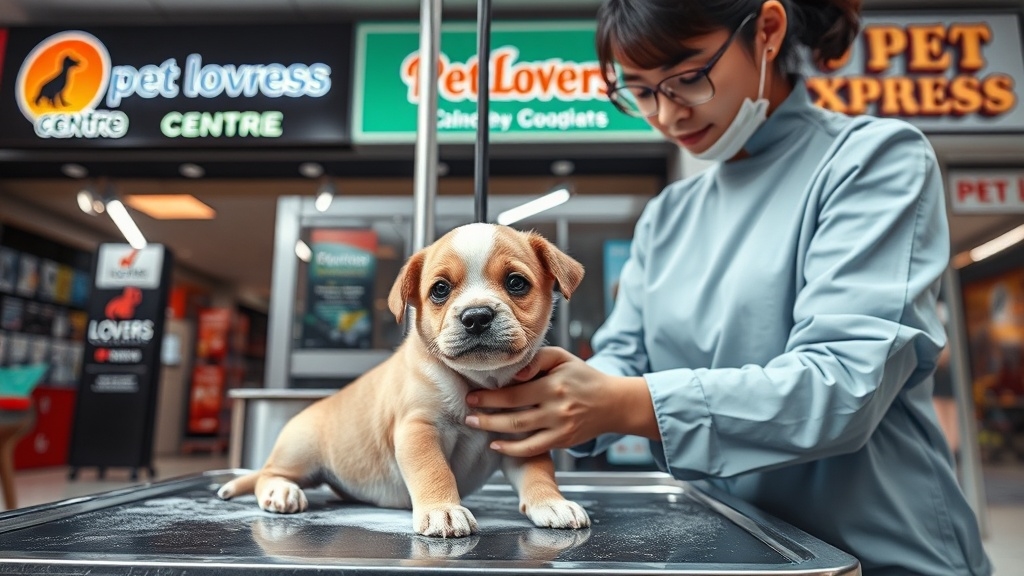
There was a time, not so long ago, when the Filipino family dog was primarily a creature of the outdoors. It was a beloved but distinctly separate entity—a shadow by the gate, a living doorbell, a companion for yard work. The concept of a “pet industry,” beyond sacks of dog food and the occasional trip to the vet, felt like a Western luxury. That era is definitively over.
A quiet, seismic shift has occurred in Filipino households. The guard dog has moved onto the couch. The “bantay” has become a “fur baby.” This is not just a change in terminology; it is a fundamental reordering of the family structure, and it has ignited a multi-billion peso industry that is reshaping the country’s franchise landscape. The pet, once an accessory, is now a cherished family member, and this cultural comeback is creating a gold rush for entrepreneurs who understand that modern pet owners are not just keepers—they are parents.
This transformation is driven by data and demographics. A confluence of rising disposable incomes, the humanization of pets accelerated by pandemic-era companionship, and the influence of global trends has created a market eager to spend. Filipinos are now investing in everything from premium grain-free food and orthopedic beds to spa-like grooming and daycare services. For the savvy investor, this isn't just about selling products; it's about servicing a profound emotional need. Consequently, pet-related franchises have surged, offering a pathway into this booming market. Here’s a look at the concepts leading the charge.
The All-in-One Destination: Retail and Service Hubs
The most dominant model in the Philippine pet franchise scene is the "one-stop-shop." These businesses understand that convenience is paramount for today’s busy pet parent. They combine retail (food, toys, accessories), grooming, and often boarding or daycare services under a single roof, creating a powerful ecosystem that fosters customer loyalty.
- Pooch Park: A true pioneer in the local industry, Pooch Park was one of the first to introduce the "doggie daycare" concept to the Philippines. This foresight allowed them to build a brand synonymous with comprehensive care. Their model is built on being the go-to center for everything a pet owner might need, from puppy milk replacements to expert grooming. A franchisee isn't just buying into a pet store; they are investing in a community hub. With a franchise fee of around Php 400,000 and a total investment starting from Php 2.7M, it represents a significant but comprehensive entry into the market.
- The Dog Spa & Hotel: This brand's origin story is its core strength. Founded by pet lovers who were themselves disappointed by the poor quality of services available, The Dog Spa & Hotel was built from the customer’s perspective. They offer a potent mix of high-quality supplies, professional grooming, and comfortable boarding facilities. Their success lies in creating a customer-centric experience, fostering a loyal following that feels more like a family than a customer base. This focus on community and trust is a powerful differentiator in a crowded market.
- Puffy Paws Heaven: Combining affordability with a full suite of services, Puffy Paws aims to provide top-tier care without an exclusive price tag. They offer supplies, grooming, and boarding, but with a notable social conscience—the brand is also involved in dog rescue and shelter operations. For many modern consumers, this ethical component is a significant draw. It allows a franchisee to build a business that aligns with a deeper sense of purpose, a crucial consideration when choosing a franchise that aligns with your personal and professional values.
The Specialist Niche: Mastering One Craft
While the one-stop-shop model is popular, another successful approach is to dominate a specific niche. These franchises focus on doing one thing exceptionally well, building a reputation for expertise that draws discerning customers from across the city.
- One Fab Pooch: This brand leans heavily into the luxury market, positioning itself as an upscale pet salon. With high-end, Instagrammable interiors and a roster of highly qualified professional groomers, they cater to a clientele that views pet pampering as an essential, not an indulgence. They specialize in canine grooming but service other pets as well. By focusing on the high end of the market, they carve out a defensible niche built on quality and exclusivity.
- Metrodog: Established in Tondo, Manila, over a decade ago, Metrodog has grown by offering a focused yet essential range of services: breed-standard grooming, lodging, daycare, and a curated selection of supplies and basic medicines. Their longevity is a testament to the power of consistency and building a strong reputation within a community. They demonstrate that you don’t need to be the biggest to be successful; you need to be the most trusted.
For a potential franchisee, the choice between an all-in-one hub and a specialist niche is critical. It defines your target market, your operational complexity, and your brand identity. It also shapes the kind of partnership you will have, as the fundamental roles of the franchisor and franchisee can differ greatly between a broad retail model and a high-skill service model.
Investing with Eyes Wide Open: What to Look for in a Pet Franchise
The boom in pet-related businesses has attracted a wave of new and untested franchisors. The glossy photos of happy pets can mask weak operational foundations. Therefore, a rigorous due diligence process is non-negotiable.
First, you must look beyond the cute branding and scrutinize the franchisor’s infrastructure. In a service-heavy industry like pet grooming, training is everything. A single bad haircut can damage a brand's reputation instantly. A prospective franchisee must be deeply analyzing the franchise’s support systems, asking pointed questions about the initial and ongoing training for both staff and owners. Who trains the groomers? What are their qualifications? How does the franchisor ensure consistent quality across all branches?
Second, in the age of social media, digital presence is the new storefront. Today’s pet parents discover, vet, and review businesses online. A franchisor must have a sophisticated and effective digital marketing strategy. You are not just buying a brand; you are buying into a customer acquisition engine. This makes evaluating the franchisor's marketing support a critical step. Ask for a breakdown of how the national marketing fund is spent and what metrics are used to measure its success.
Finally, the numbers must make sense. While passion for pets is a great starting point, it cannot sustain a failing business. A franchise disclosure document is a treasure trove of information, but it’s only the beginning. It is essential to build your own financial projections and to speak with existing franchisees about their actual revenues and challenges. This hands-on investigation is the core of any solid due diligence checklist and provides a reality check against the franchisor's polished projections.
The pet industry in the Philippines is no longer a niche market; it is a mainstream cultural and economic force. For entrepreneurs with a genuine love for animals and a sharp business acumen, it offers a rare opportunity to build a business that is both financially rewarding and emotionally fulfilling. By choosing a strong partner and a proven model, you can be at the forefront of this heartwarming—and profitable—revolution.
