
Top 5 Franchise Concepts for the Philippine Tourism Boom
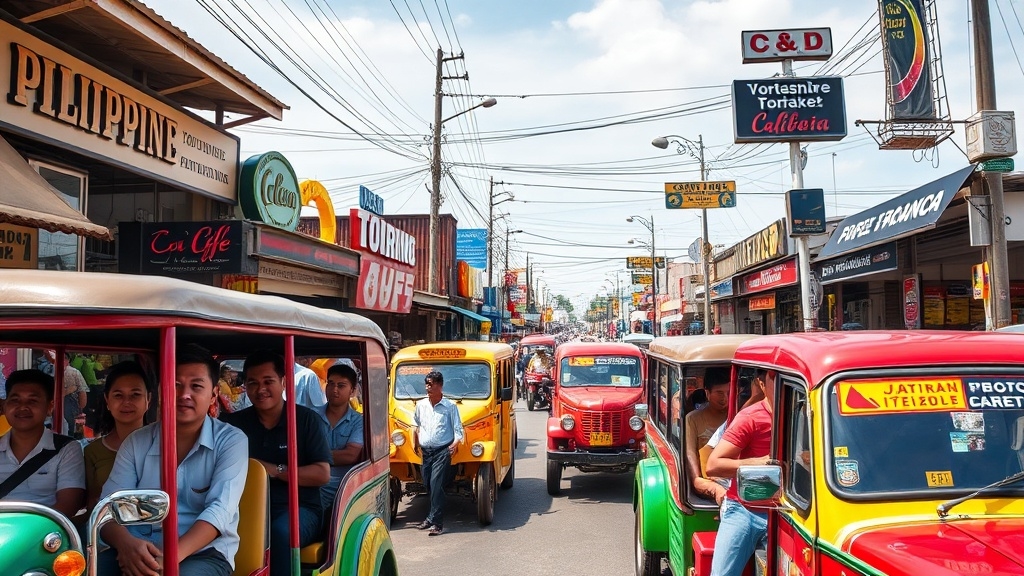
The Philippine tourism sector, once quieted by global headwinds, is staging a comeback of monumental proportions. After a period of dormancy, the archipelago is reawakening, and the numbers are nothing short of staggering. Projections from the World Travel & Tourism Council for 2025 are forecasting a record-breaking PHP 5.9 trillion contribution to the national economy, accounting for over a fifth of the country's GDP. This isn't just recovery; it's a full-blown resurgence, fueled by a surge in both international and domestic travel.
International visitor spending is anticipated to hit PHP 709.2 billion, while Filipinos themselves are exploring their own backyard with a projected domestic spending of PHP 4.1 trillion. This tidal wave of travelers—from luxury seekers in Palawan to backpackers in Siargao—is creating a fertile ground for entrepreneurs. Yet, the real opportunity isn't just in starting a business, but in leveraging a proven system. For savvy investors, franchising offers a strategic entry point into this booming market, mitigating risk while maximizing the potential for high returns. But in a landscape flooded with options, which concepts are best poised to ride this tourism wave?
Forget the generic. The franchises set to win are those that understand the unique pulse of the Filipino tourist destination—its seasonality, its diverse clientele, and its operational quirks. Here are the top five franchise concepts primed for success in the new era of Philippine travel.
1. The Hyper-Local Coffee Stop
The days of generic, one-size-fits-all coffee chains are numbered. Today's traveler, whether from Quezon City or Quebec, seeks authenticity. This has paved the way for the rise of the hyper-local coffee shop, a concept that feels less like a corporate outpost and more like a community hub. These aren't just places to get a caffeine fix; they are curated experiences that tell a story about the location itself.
- The Comeback Angle: As tourism decentralizes from major cities to provincial hotspots, there's a growing demand for high-quality amenities that reflect local character. Tourists and digital nomads are actively seeking out "third places" to work, relax, and connect. A well-positioned coffee franchise, especially one that champions single-origin Philippine beans from regions like Benguet or Bukidnon, can become a destination in itself.
- The Philippine Context: Coffee is deeply embedded in Filipino culture, but the appreciation for specialty and artisanal brews is a more recent, powerful trend. A franchise that offers a cozy, "Instagrammable" ambiance combined with excellent local coffee taps directly into this movement. It becomes a place where foreign visitors can sample local flavors and where domestic tourists feel a sense of pride. The key is to build a strong brand that feels both premium and deeply rooted in Filipino identity.
2. The Upgraded Convenience Store
Convenience stores are the unsung heroes of any travel destination. They are the first stop for a cold drink after a long bus ride and the last stop for late-night snacks. While giants like 7-Eleven have long dominated the field, a new breed of convenience store franchise is emerging—one that is cleaner, better-curated, and more responsive to the specific needs of a tourist market.
- The Comeback Angle: The modern tourist, particularly the "flashpacker" or digital nomad, expects more. They are looking for stores that offer not just the basics, but also healthier snack options, decent ready-to-eat meals, mobile charging stations, and even basic travel necessities like sunscreen or insect repellent. Franchises that have refined this model are positioned to capture a significant share of the average tourist's daily spending, which sits at around ₱8,500 for international visitors and ₱3,200 for domestic travelers.
- The Philippine Context: In the Philippines, a convenience store is more than just a retail space; it's a neighborhood landmark. For a franchisee, this means the potential for steady, year-round revenue from the local community, which helps to buffer the dramatic seasonal demand patterns inherent in tourism. The right franchise offers robust logistical support—a critical factor when operating in island locations where supply chains can be challenging.
3. The Specialty Food Kiosk
While full-service restaurants have their place, the real action in high-traffic tourist areas is often at the food kiosk level. These small-footprint, high-efficiency operations are perfectly designed to cater to the transient nature of tourism, offering quick, delicious, and visually appealing bites that travelers can enjoy on the go.
- The Comeback Angle: The rise of social media has turned food into a key part of the travel experience. Tourists are on the hunt for the next viral snack, whether it's a gourmet twist on a classic Filipino street food or an innovative dessert. A food cart franchise with a unique and "Instagrammable" product—think artisanal ice cream, gourmet bibingka, or specialty fries—can generate immense buzz and long queues with a relatively low initial investment compared to a full restaurant.
- The Philippine Context: The food cart is a quintessential part of the Philippine commercial landscape, making it a business model that is both familiar and proven. Franchisors in this space often provide turnkey solutions that simplify operations, which is a major advantage for first-time entrepreneurs. However, success is hyper-dependent on location. A deep understanding of market research and location is non-negotiable, as the difference between a high-traffic beachfront spot and a location just a few meters inland can be enormous.
4. Eco-Tour & Equipment Rental Hub
Modern travel is increasingly driven by experiences, not just sightseeing. Today’s tourists want to hike, dive, surf, and kayak. This shift has created a booming market for service-based franchises that facilitate these adventures. An eco-tour and equipment rental franchise provides the gear and the guidance for travelers to safely explore the natural wonders of the Philippines.
- The Comeback Angle: As destinations like Palawan and Siargao gain international acclaim for their natural beauty and adventure opportunities, the demand for professional and reliable tour operators and rental services has skyrocketed. A franchise in this space offers a standardized level of safety, quality, and service that can be a powerful differentiator in a market often fragmented by informal operators.
- The Philippine Context: This concept requires a deep respect for the local environment and community. The most successful franchises will be those that integrate sustainability into their core operations and work closely with local guides and communities. While potentially very profitable, this sector also comes with significant liability and regulatory hurdles. Entrepreneurs must be prepared to navigate the complexities of tourism-specific business permits and environmental clearances. A thorough review of the total franchise costs, including insurance and licensing, is crucial.
5. The Modern Laundry Service
It may not be the most glamorous business, but it's one of the most essential. For any traveler staying longer than a few days—from backpackers on a multi-week journey to families on a week-long holiday—the need for clean clothes is a universal problem. Modern, self-service laundromats offer a convenient and affordable solution.
- The Comeback Angle: The old model of hotel laundry services is often prohibitively expensive, while traditional local laundry shops can be slow and unreliable. A modern, coin-operated or app-based laundry franchise offers a compelling alternative: it's fast, efficient, and affordable. These businesses can become essential infrastructure in any tourist town, generating consistent cash flow with relatively low staffing requirements.
- The Philippine Context: The concept of self-service laundromats has already gained significant traction in Philippine urban centers, and its expansion into tourist destinations is the logical next step. These businesses cater not only to tourists but also to the growing population of hospitality workers and residents in these areas, providing a stable, year-round customer base. For an investor, it is one of the most compelling opportunities for investors seeking a business with straightforward operations and predictable revenue streams.
The Investment Verdict
The Philippine tourism boom presents a golden opportunity for franchise investors, but it demands a strategic approach. The most promising concepts are not necessarily the biggest or the most well-known, but rather those that are agile, authentic, and attuned to the specific needs of a diverse and discerning travel market. From the simple necessity of a clean t-shirt to the experience of a perfect local coffee, the opportunities are as varied as the islands themselves. For the entrepreneur who does their homework and chooses a concept that aligns with both their passion and the market's pulse, the potential for success is immense.
