
Franchising in Popular Philippine Tourist Destinations (e.g., Palawan, Boracay): Pros & Cons
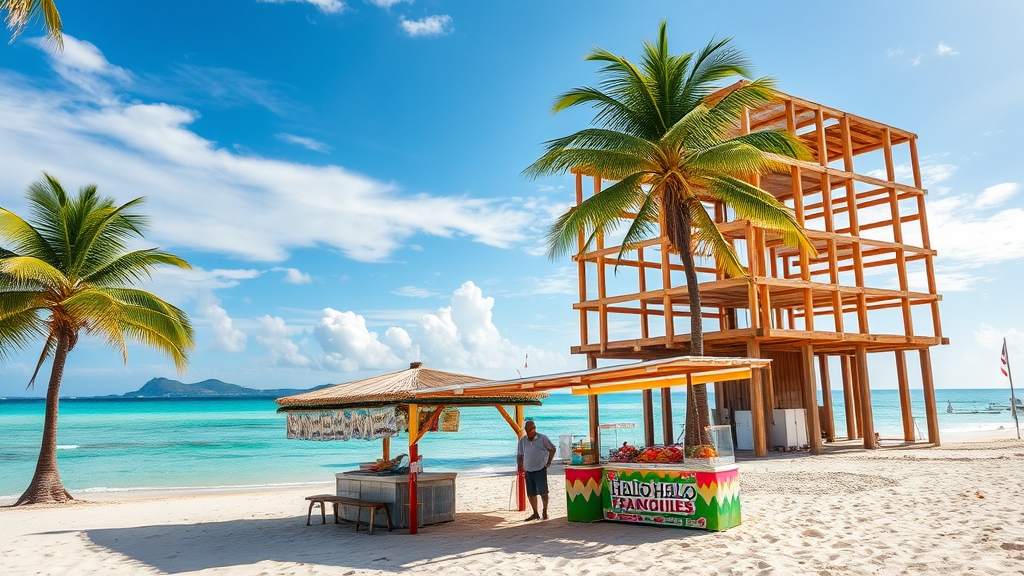
The pristine shores of Boracay's White Beach tell a compelling story about franchise opportunities in Philippine tourist destinations. While one Jollibee outlet consistently serves long queues of both local families and international visitors with its culturally-adapted menu and strategic beachfront positioning, another international fast-food chain struggles with seasonal fluctuations despite offering similar convenience and pricing. The difference isn't brand recognition or product quality—it's understanding how tourist destinations create unique franchise dynamics that can generate exceptional returns or devastating losses depending on strategic execution.
Recent Department of Tourism data reveals that Philippine tourist destinations generated ₱2.5 trillion in tourism revenue during 2024, with Palawan and Boracay leading growth trajectories that support diverse franchise opportunities. Industry analysis shows that well-positioned franchises in tourist areas achieve 45% higher peak-season revenues compared to urban counterparts, but also face 60% greater seasonal volatility that requires sophisticated cash flow management and operational flexibility.
The resurgence of tourism-focused franchising reflects broader shifts in Philippine economic development, where destination marketing and infrastructure improvements create concentrated wealth opportunities for entrepreneurs who understand how to balance tourist appeal with local community needs. For franchise investors considering tourist destinations in 2025, understanding both the remarkable opportunities and significant challenges becomes essential for making informed investment decisions.
The Tourism Franchise Landscape: Understanding Market Dynamics
Philippine tourist destinations present unique franchise environments characterized by seasonal demand patterns, diverse customer demographics, and regulatory considerations that differ significantly from traditional urban markets.
Tourism Industry Recovery and Growth
The Philippine tourism industry's remarkable recovery from pandemic disruptions demonstrates the sector's resilience and growth potential. Boracay welcomed 2.1 million visitors in 2024, while Palawan received 1.8 million tourists, creating substantial customer bases that support diverse franchise concepts from budget-friendly food carts to premium hospitality services.
International visitor spending averages ₱8,500 per day per person, while domestic tourists spend approximately ₱3,200 daily, creating opportunities for franchises targeting different market segments. Understanding these spending patterns helps franchise operators position their concepts appropriately for maximum revenue generation.
Seasonal Demand Patterns
Tourist destinations experience dramatic seasonal variations that create both opportunities and challenges for franchise operations. Peak season (December-May) can generate 70% of annual revenue, while off-season periods require careful cash flow management and operational adjustments to maintain profitability.
Successful tourist destination franchises develop strategies for adapting to seasonal demand that include flexible staffing, inventory management, and marketing approaches that optimize performance throughout the year.
Palawan: The Last Frontier's Franchise Potential
Palawan's emergence as a world-class tourist destination creates exceptional franchise opportunities for operators who understand the province's unique characteristics and market dynamics.
Economic Foundation and Tourist Profile
Puerto Princesa and El Nido serve as primary commercial centers supporting luxury eco-tourism, adventure travel, and cultural experiences that attract affluent domestic and international visitors. The province's UNESCO World Heritage sites and pristine natural environments create premium positioning opportunities for service franchise opportunities targeting environmentally conscious consumers.
Infrastructure Development Impact
Recent infrastructure improvements including airport expansions, road developments, and utility upgrades enhance Palawan's accessibility while reducing operational costs for franchise operators. The new Puerto Princesa International Airport and improved inter-island transportation create opportunities for franchise expansion across multiple Palawan destinations.
Environmental Regulations and Sustainability Requirements
Palawan's strict environmental protection policies require franchises to demonstrate genuine commitment to sustainable practices that align with the province's conservation goals. These requirements create opportunities for eco-friendly concepts while potentially limiting certain franchise types that don't meet environmental standards.
Boracay: The Rehabilitated Paradise
Boracay's successful rehabilitation and reopening demonstrate how government intervention can transform tourist destinations while creating new franchise opportunities aligned with sustainable tourism principles.
Post-Rehabilitation Market Dynamics
The island's carrying capacity limitations and stricter environmental standards create premium market conditions that favor quality-focused franchises over volume-based concepts. The reduced number of establishments allowed on the island increases competition for prime locations while potentially improving profitability for successful operators.
Diverse Customer Segments
Boracay attracts international backpackers, luxury travelers, domestic families, and corporate groups that require different franchise approaches and service levels. This diversity enables franchise portfolios that serve multiple market segments while reducing dependency on any single customer type.
Regulatory Compliance Requirements
Operating in Boracay requires compliance with strict environmental regulations, building codes, and business permit requirements that can be complex and costly. Understanding these regulatory frameworks becomes essential for successful franchise establishment and ongoing operations.
Advantages of Tourist Destination Franchising
Tourist destinations offer unique advantages that can generate exceptional returns for well-positioned franchise operations that understand how to capitalize on tourism dynamics.
Higher Revenue Potential
Tourist spending typically exceeds local market rates, enabling franchises to achieve premium pricing and higher transaction values compared to urban locations. Successful tourist destination franchises often generate annual revenues 30-50% higher than comparable urban operations during peak performance periods.
Diverse Customer Base
The mix of international tourists, domestic travelers, and local residents creates multiple revenue streams that can support diverse franchise concepts. This customer diversity provides opportunities for building loyal customer relationships across different demographic segments while reducing dependency on single market sources.
Marketing and Exposure Benefits
Tourist destinations provide natural marketing platforms where successful franchises gain exposure to customers from throughout the Philippines and internationally. Social media sharing and word-of-mouth recommendations from tourists can generate marketing value that extends far beyond the immediate location.
Government Support and Infrastructure Investment
Tourist destinations often receive priority government investment in infrastructure, utilities, and public services that benefit franchise operations through improved accessibility, reliability, and customer convenience. These investments reduce operational costs while enhancing the business environment.
Premium Positioning Opportunities
The tourism context enables franchises to position themselves as destination experiences rather than simple service providers, justifying premium pricing while creating memorable customer experiences that generate repeat visits and referrals.
Challenges and Disadvantages
Despite significant opportunities, tourist destination franchising presents unique challenges that require careful consideration and strategic planning to overcome successfully.
Seasonal Revenue Volatility
The most significant challenge involves managing dramatic seasonal fluctuations that can see revenues drop 60-80% during off-peak periods. This volatility requires sophisticated cash flow management and financial planning that accounts for extended low-revenue periods.
Higher Operational Costs
Tourist destinations typically involve elevated real estate costs, utility expenses, and logistics challenges that increase operational overhead compared to urban locations. Transportation costs for supplies and equipment can be significantly higher due to remote locations and limited infrastructure.
Staffing Challenges
Finding and retaining qualified staff in tourist destinations can be difficult due to limited local labor pools, seasonal employment patterns, and competition from hospitality employers. Many destinations require importing workers from other areas, increasing labor costs and management complexity.
Regulatory Complexity
Tourist destinations often involve multiple regulatory jurisdictions, environmental compliance requirements, and tourism-specific regulations that create administrative burdens and potential compliance costs. Understanding franchise laws and regulations becomes particularly complex in tourism contexts.
Infrastructure Limitations
Despite government investment, many tourist destinations still face utility reliability issues, transportation limitations, and communication challenges that can impact franchise operations. Power outages, water shortages, and internet connectivity problems require contingency planning and backup systems.
Market Saturation Risks
Popular tourist destinations can become oversaturated with similar franchise concepts, creating intense competition that reduces profitability for all operators. The limited physical space in destinations like Boracay intensifies this competition while restricting expansion opportunities.
Sector-Specific Opportunities and Challenges
Different franchise sectors face varying opportunities and challenges in tourist destination environments, requiring sector-specific analysis for optimal investment decisions.
Food and Beverage Franchises
Food franchises benefit from consistent tourist demand but face challenges including supply chain logistics, food safety requirements, and diverse dietary preferences from international customers. Food franchise concepts that incorporate local ingredients and cultural authenticity often perform better than generic international concepts.
Retail and Souvenir Franchises
Retail franchises targeting tourists can achieve high margins but face seasonal inventory challenges, changing tourist preferences, and competition from local artisans. Successful retail concepts often combine branded products with locally-sourced items that provide authentic destination experiences.
Service and Hospitality Franchises
Service franchises including tour operators, equipment rentals, and personal services benefit from tourist spending but require specialized knowledge and regulatory compliance. These concepts often provide recurring revenue opportunities through repeat bookings and referral networks.
Health and Wellness Franchises
Wellness concepts targeting tourists can command premium pricing but require specialized facilities, trained staff, and marketing to reach target demographics. The growing wellness tourism trend creates opportunities for spa, fitness, and health-focused franchises.
Financial Considerations and Investment Planning
Tourist destination franchising requires specialized financial planning that accounts for seasonal variations, higher operational costs, and unique revenue patterns.
Capital Requirements
Initial investments in tourist destinations typically exceed urban equivalents by 20-40% due to higher real estate costs, specialized equipment needs, and regulatory compliance requirements. Securing franchise financing for tourist destinations may require demonstrating understanding of seasonal cash flow patterns.
Working Capital Management
Successful tourist destination franchises maintain working capital reserves equivalent to 6-9 months of operating expenses to manage seasonal fluctuations and unexpected challenges. This requirement significantly increases total investment needs compared to urban franchises.
Revenue Optimization Strategies
Maximizing tourist destination franchise performance requires dynamic pricing strategies, seasonal menu/service adjustments, and marketing campaigns that capitalize on peak periods while maintaining operations during slower seasons.
Location Strategy and Site Selection
Success in tourist destinations depends heavily on strategic location selection that balances visibility, accessibility, and operational efficiency.
Prime Location Considerations
The most successful tourist destination franchises secure locations with high foot traffic, easy accessibility, and proximity to major attractions. However, these prime locations command premium rents that require careful financial analysis to ensure profitability.
Alternative Location Strategies
Secondary locations can offer lower costs and less competition while still accessing tourist traffic through strategic positioning and marketing. Site selection and location strategies become particularly important in tourist destinations where location often determines success or failure.
Marketing and Customer Engagement
Tourist destination marketing requires approaches that appeal to diverse customer segments while building local community relationships.
Multi-Channel Marketing Approaches
Successful tourist destination franchises utilize online travel platforms, social media marketing, and local tourism partnerships to reach potential customers before they arrive at the destination. Local marketing strategies must account for both tourist and resident customer segments.
Experience-Based Marketing
Tourist destinations favor franchises that provide memorable experiences rather than simple transactions, creating opportunities for premium positioning and social media sharing that generates organic marketing value.
Regulatory and Environmental Compliance
Operating franchises in tourist destinations requires understanding and compliance with complex regulatory frameworks designed to protect environmental and cultural resources.
Environmental Protection Requirements
Tourist destinations increasingly require environmental impact assessments, waste management plans, and sustainability certifications that can add costs and complexity to franchise operations. However, these requirements also create competitive advantages for environmentally responsible concepts.
Tourism-Specific Regulations
Many tourist destinations have special zoning requirements, operating hour restrictions, and tourism tax obligations that differ from standard business regulations. Understanding these requirements prevents compliance issues that could disrupt operations.
Success Strategies for Tourist Destination Franchising
Based on analysis of successful tourist destination franchises, several strategic approaches emerge for maximizing success probability.
Seasonal Adaptation Strategies
Successful operators develop flexible business models that adjust staffing, inventory, and services based on seasonal demand patterns. This includes offering different products or services during peak versus off-peak periods to maintain revenue streams.
Community Integration
Building relationships with local communities, government officials, and tourism organizations creates support networks that facilitate success while demonstrating commitment to destination development. Community engagement proves particularly important in tourist destinations where local support can significantly impact operations.
Quality and Authenticity Focus
Tourist destinations reward franchises that prioritize quality experiences and authentic cultural integration over purely cost-focused approaches. Customers in tourist destinations often accept premium pricing for superior experiences that create lasting memories.
Investment Verdict: Tourist Destination Franchise Potential
Tourist destination franchising in locations like Palawan and Boracay offers exceptional opportunities for entrepreneurs willing to accept higher risks and complexity in exchange for potentially superior returns and unique business experiences.
The advantages include higher revenue potential, diverse customer bases, natural marketing exposure, and government infrastructure support that can generate exceptional returns for well-positioned concepts. However, these benefits come with significant challenges including seasonal volatility, higher costs, regulatory complexity, and operational difficulties that require sophisticated planning and management.
Success depends on selecting appropriate franchise concepts, securing optimal locations, understanding regulatory requirements, and developing strategies that capitalize on tourist destination advantages while mitigating inherent risks and challenges.
For entrepreneurs with adequate capital, tourism industry knowledge, and willingness to embrace complexity, tourist destination franchising offers compelling opportunities to build profitable businesses while contributing to Philippine tourism development. The key lies in thorough preparation, realistic financial planning, and commitment to quality operations that enhance rather than detract from destination appeal.
The investment decision ultimately requires balancing potential rewards against acceptable risk levels while ensuring adequate resources for managing the unique challenges that define tourist destination business environments. For investors willing to embrace these challenges, tourist destinations offer exceptional opportunities for building successful franchise operations that benefit from the Philippines' continued tourism growth and development.
