
The Hidden Costs of Franchise Construction and Fit-Out
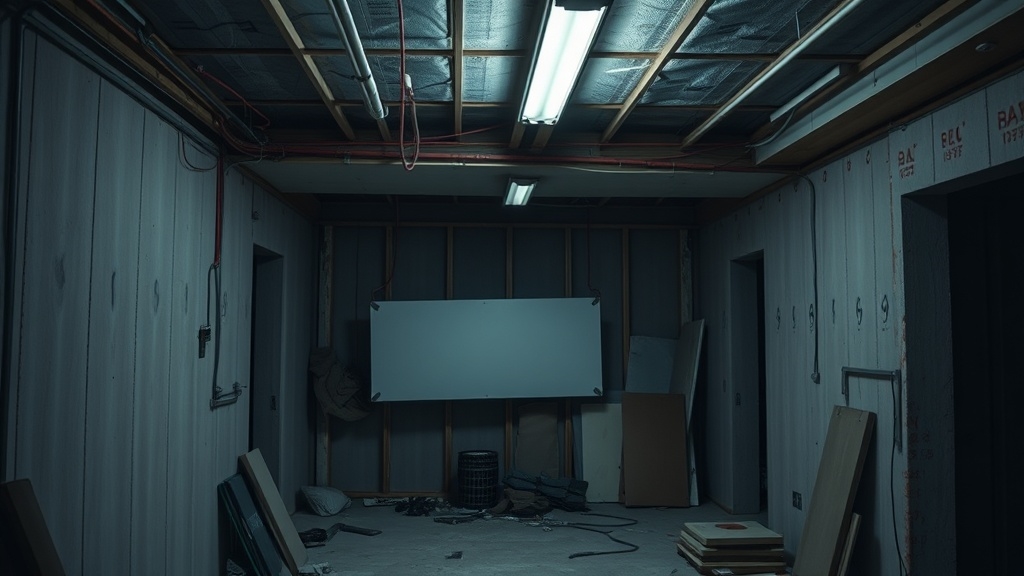
The promise was seductive: "Start your own coffee franchise for just ₱300,000!" Yet as Maria Santos stared at the mounting bills scattered across her kitchen table, the stark reality hit her like a sledgehammer. Six months into her franchise journey, what was supposed to be a straightforward ₱300,000 investment had ballooned to a staggering ₱850,000—and her store wasn't even open yet. The culprit? A labyrinth of hidden construction and fit-out costs that had transformed her franchise dream into a financial nightmare.
Maria's story represents a troubling pattern that has emerged across the Philippine franchise landscape. Recent industry data reveals that over 40% of franchise fit-out projects in the Philippines experience significant delays or cost overruns, with construction-related expenses accounting for the largest share of budget blowouts. The understanding the true costs of starting a franchise has become more complex as franchisees discover that the advertised investment figures represent merely the tip of an expensive iceberg.
This surge in hidden construction costs isn't just poor planning—it reflects fundamental changes in the Philippine construction industry, stricter regulatory requirements, and the increasingly sophisticated demands of modern franchise operations. What was once a simple matter of paint and signage has evolved into a complex orchestration of permits, contractors, technology integration, and compliance requirements that can easily double initial investment projections.
The Real Price Tag of Philippine Franchise Construction
The franchise industry's marketing materials paint a deceptively simple picture: pay the franchise fee, secure a location, and open for business. Yet the reality involves a complex web of construction-related expenses that franchisees consistently underestimate. Fit-out costs in Metro Manila average ₱55,330 per square meter, putting a modest 100-square-meter renovation budget at over ₱5.5 million for premium locations.
The construction phase represents the single largest hidden cost category for most franchisees. While franchise fees grab headlines—ranging from ₱50,000 for simple food cart concepts to ₱2 million for established restaurant brands—these figures represent only 15-25% of total startup costs. The remaining expenses, dominated by construction and fit-out requirements, often catch new franchisees completely unprepared.
Food service franchises face particularly steep construction costs due to commercial kitchen requirements, specialized ventilation systems, and health department compliance standards. A seemingly modest milk tea franchise advertised at ₱150,000 might require an additional ₱400,000-600,000 for commercial-grade equipment, kitchen modifications, and compliance with fire safety regulations. These costs multiply rapidly when factoring in the unique challenges of working with contractors for franchise fit-out in the Philippine market.
The hidden cost trap extends beyond obvious construction expenses. Professional services represent another overlooked category, with legal review of construction contracts costing ₱30,000-80,000, architectural plans running ₱40,000-120,000, and engineering consultations adding another ₱25,000-60,000 to project budgets.
Regulatory Quicksand: The Permit Maze
Philippine franchisees face an increasingly complex regulatory environment that adds substantial time and cost to construction projects. City permit acquisition represents a critical challenge that directly impacts project timelines and legal compliance, with some locations requiring dozens of separate permits costing ₱50,000-150,000 total.
The permit process varies dramatically across Philippine municipalities, creating unpredictable delays and expenses. Building permits, electrical permits, and specialized permits can require several weeks for approval in some areas, while others process applications within days. This uncertainty makes accurate project planning nearly impossible, forcing franchisees to build substantial contingency funds into their budgets.
Fire safety compliance adds another layer of complexity, requiring adherence to the Fire Code of the Philippines with specific requirements for different occupancy types. For office-based franchises, maximum travel distance to approved fire extinguishers must not exceed 22 meters, while lighting fixtures and air ducts must be installed at least 300mm away from sprinkler heads. These seemingly minor requirements can necessitate major layout changes and additional construction costs.
Sanitary compliance involves conforming to the latest National Plumbing Code of the Philippines under supervision of registered Master Plumbers or Sanitary Engineers. All wet pantries must be provided with grease traps, and additional private toilets require specific roughing-in provisions for soil/waste lines, waterlines, and vent lines—modifications that can add ₱100,000-250,000 to construction budgets.
Republic Act No. 11711 has imposed stricter requirements and penalties for contractors, including fines ranging from ₱100,000 to ₱500,000 plus project cost percentages. Working with unlicensed contractors can result in legal complications, safety violations, and franchise agreement breaches that destroy years of investment and planning.
The Contractor Conundrum
Finding qualified contractors represents one of the most challenging aspects of franchise construction in the Philippines. The challenges faced by new franchisees often begin with contractor selection, as the construction industry suffers from significant quality variations and limited capacity for specialized franchise work.
Professional certification requirements mandate that licensed professionals sign and seal various documents including location plans, bills of materials, and as-built drawings. Three sets of as-built drawings, duly signed and sealed by registered engineers, must be submitted after completion for property management records. These requirements eliminate many smaller contractors from consideration, limiting options and driving up costs.
Comprehensive contract creation requires clear terms to ensure clarity and compliance with Philippine construction law and franchise requirements. Payment structure definition should specify compensation methods, payment schedules, and provisions for change orders that may arise during construction. Many franchisees discover that their carefully chosen contractors lack experience with franchise-specific requirements, leading to costly delays and modifications.
Insurance coverage presents another hidden cost, as Contractors All Risk Insurance (CARI) policies must cover physical loss or damage to works, materials, and equipment during construction, with coverage at least 125% of total construction costs. Public liability insurance must provide minimum ₱45 million coverage for third-party injury or property damage claims—requirements that many smaller contractors cannot meet.
Quality control demands regular inspection protocols to ensure ongoing compliance with franchise standards and construction quality requirements. The complexity increases when considering that mobile payment compatibility requires design consideration for customer flow patterns and transaction processing areas that accommodate GCash, Maya, and other digital payment platforms increasingly popular among Filipino consumers.
Technology Integration: The New Frontier
Modern franchise construction projects must accommodate sophisticated technology requirements that didn't exist just five years ago. Delivery platform integration demands kitchen layouts and service areas that accommodate Grab Food, Food Panda, and other delivery services without disrupting dine-in customer experiences. These modifications can add ₱150,000-300,000 to construction budgets for food service franchises.
Point-of-sale system integration requires specialized electrical work, data cabling, and equipment mounting that must be planned during the construction phase. Retrofitting technology infrastructure after construction completion can cost 200-300% more than incorporating these requirements from the beginning.
Future-proofing considerations ensure franchise locations can adapt to evolving technology requirements without major renovations. Flexible infrastructure design accommodates equipment upgrades and operational modifications that maintain brand relevance in changing markets, but requires additional upfront investment in electrical capacity, data infrastructure, and adaptable layouts.
The franchise fit-out costs have expanded beyond traditional construction to include sophisticated technology integration that many franchisees underestimate during initial planning phases.
Regional Variations: A Tale of Many Markets
Construction costs vary dramatically across different Philippine regions, with Metro Manila commanding premium prices for virtually every expense category. Prime Manila locations can require 200-300% higher capital investments compared to provincial areas, with commercial rents alone accounting for much of this difference.
Cebu and Davao represent middle-tier markets where franchise investments typically run 30-50% higher than provincial areas but remain 40-60% below Manila costs. These cities offer attractive market potential while maintaining more reasonable capital requirements for most franchise concepts, though they present unique challenges including limited supplier networks and reduced franchisor support infrastructure.
Provincial locations offer the most affordable franchise opportunities, with total capital requirements often 50-70% below Manila levels. However, these markets also present unique challenges including limited contractor availability, longer material delivery times, and reduced access to specialized trades required for complex franchise installations.
Tourist destinations like Boracay, Palawan, and Baguio command premium pricing despite their provincial locations. Seasonal demand fluctuations in these markets require higher working capital reserves to survive off-peak periods, often requiring 150-200% of standard working capital recommendations to maintain operations during slow seasons.
The Cash Flow Catastrophe
Cash flow management represents perhaps the most critical challenge for new Filipino franchisees, as irregular revenue patterns during the startup phase compound the impact of unexpected construction costs. The hidden costs of investing in franchises create ongoing financial pressure that many new owners haven't properly budgeted for in their business planning.
Construction delays inevitably impact opening schedules, extending the period before revenue generation while fixed costs continue accumulating. Rent, loan payments, insurance premiums, and staff wages create ongoing financial obligations that compound when construction projects exceed planned timelines.
Factor in potential delays and associated expenses, because construction rarely goes exactly as planned in the Philippines. Weather disruptions, permit delays, material shortages, and contractor availability issues can extend project timelines by weeks or months, creating cash flow crises that force franchisees to seek emergency financing at unfavorable terms.
The timeline management challenge requires construction scheduling that aligns with franchise opening deadlines and market opportunities while accommodating permit processing times and material delivery schedules. Typical fit-out projects require 60-90 days from permit approval to completion, depending on scope and complexity, but this assumes perfect conditions that rarely exist in practice.
Final inspection and turnover includes occupancy permits, testing and commissioning reports, electrical inspections, and fire safety certificates that must be completed before franchise opening. Comprehensive documentation and warranty provisions protect franchisees while ensuring operational readiness, but these requirements can add weeks to project completion timelines.
The franchise construction and fit-out process in Philippines represents far more than simple renovation work—it's a complex orchestration of regulatory compliance, contractor management, technology integration, and financial planning that can make or break franchise ventures before they even open their doors. Success demands comprehensive planning, professional relationships, and financial reserves that extend well beyond advertised investment figures.
Smart franchisees recognize that construction represents a strategic investment rather than a necessary evil, requiring careful attention to quality, compliance, and long-term operational needs. By understanding the complete picture of construction-related costs and challenges, Filipino entrepreneurs can build successful franchises that meet franchisor standards while thriving within the Philippine regulatory and economic framework.
The days of simple franchise construction are over. Today's successful franchisees must navigate a sophisticated landscape of hidden costs, regulatory requirements, and technological demands that transform construction from a straightforward expense into a critical business capability. Those who master this complexity position themselves for sustainable success, while those who underestimate its importance often find themselves joining the growing ranks of franchisees whose dreams crumbled before the first customer ever walked through their doors.
