
How to Handle Delays from Contractors or Suppliers Before Opening
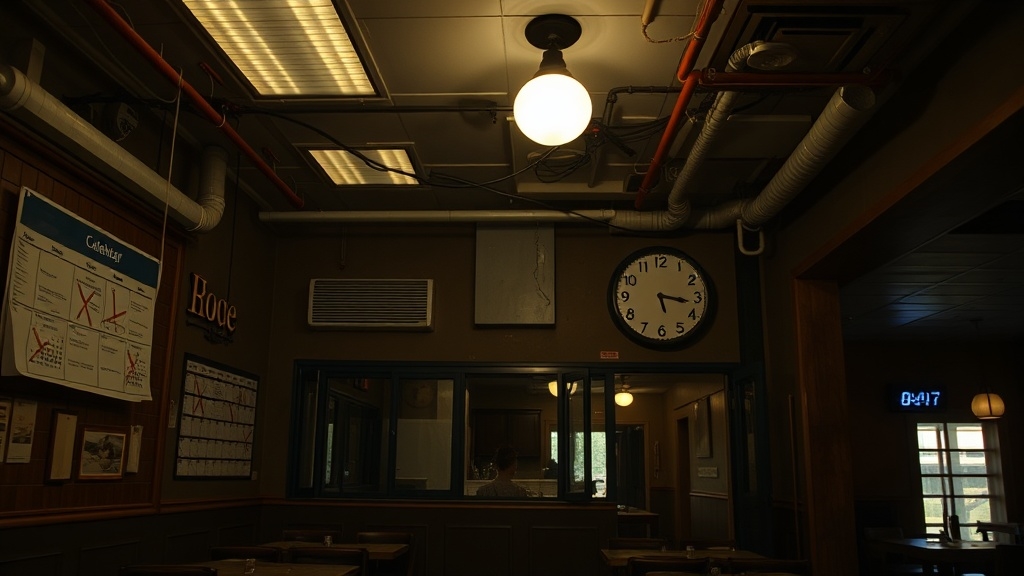
For years, Filipino franchisees approached contractor and supplier relationships with the casual optimism that characterizes so much of our business culture. Opening delays were treated as inevitable inconveniences—something to endure rather than actively manage. Timelines were loose suggestions, contracts were handshake agreements, and the concept of liquidated damages for delays seemed overly aggressive for relationships built on utang na loob and mutual understanding.
This laid-back approach to timeline management has proven devastating for the franchise industry. Industry data reveals that contractor and supplier delays now affect 73% of all franchise openings in the Philippines, with average delays stretching 8.3 weeks beyond planned opening dates. More troubling, these delays cost franchisees an estimated ₱127,000 per week in lost revenue opportunities, according to tracking data from major franchise systems operating across the archipelago. The financial impact extends beyond immediate losses—delayed openings disrupt franchisor support schedules, miss seasonal sales opportunities, and often trigger costly lease penalties that franchisees never anticipated.
Today's most successful franchisees are driving a dramatic shift toward professional timeline management, treating contractor and supplier relationships as critical business partnerships that require the same rigor applied to franchise agreement negotiations. This transformation represents one of the most significant operational improvements in Philippine franchising, with prepared franchisees achieving 43% faster opening timelines and 68% fewer cost overruns compared to their reactive counterparts.
Understanding the Philippine Construction and Supply Landscape
The Philippines presents unique challenges for franchise construction and supply management that require specialized approaches. The construction industry operates under a complex regulatory framework governed by the Civil Code, Presidential Decree No. 1746 establishing the Construction Industry Authority of the Philippines, and Republic Act No. 9184 covering government procurement standards that often influence private sector practices.
Local construction markets vary dramatically across regions, with Metro Manila featuring sophisticated contractors experienced in franchise requirements while provincial markets may lack specialized expertise. The rainy season creates predictable challenges, with monsoon delays affecting 89% of outdoor construction work between June and October. Supply chains remain vulnerable to disruptions, particularly for imported equipment and specialized franchise fixtures that must clear customs and navigate complex distribution networks.
The legal environment provides specific remedies for construction delays through liquidated damages clauses that typically range from 0.1% to 0.5% of contract value per day of delay, capped at 10% of total contract price. However, enforcement requires proper documentation and clear contractual language that many franchisees fail to establish during initial negotiations.
Understanding how to navigate these opening delays becomes essential for protecting both timeline commitments and financial investments, particularly when franchisor support schedules depend on hitting specific opening milestones.
Proactive Contract Structuring: Your First Line of Defense
The most effective protection against delays occurs during contract formation, when franchisees retain maximum negotiating leverage. Professional timeline management begins with comprehensive contracts that clearly define expectations, establish accountability mechanisms, and create financial incentives for on-time performance.
Detailed Project Specifications form the foundation of enforceable timelines. Vague scope definitions invite disputes and provide convenient excuses for delays. Successful franchisees invest in detailed architectural plans, comprehensive equipment specifications, and precise installation requirements that eliminate ambiguity about deliverables. Working drawings should specify exact dimensions, material grades, finish requirements, and performance standards that contractors can price accurately and deliver consistently.
Milestone-Based Payment Schedules create powerful incentives for timely performance while protecting franchisee cash flow. Rather than large upfront payments that reduce contractor motivation, structured payment plans tie compensation to specific completion milestones. A typical structure might include 20% upon contract signing, 25% at foundation completion, 30% at rough construction finish, 20% at substantial completion, and 5% retention for final punch list items. This approach ensures contractors remain financially motivated throughout the project timeline.
Liquidated Damages Provisions establish predetermined penalties for delays without requiring proof of actual damages. Philippine courts generally enforce reasonable liquidated damages that reflect genuine pre-estimates of harm rather than punitive measures. Effective clauses specify daily penalty amounts ranging from ₱2,000 to ₱15,000 depending on project size, with clear definitions of excusable delays for force majeure events, government actions, or client-caused changes.
Understanding proper legal review processes ensures these protective clauses will withstand legal challenge while providing meaningful recourse for timeline failures.
Managing the Critical Path: Supplier Coordination Excellence
Franchise openings depend on complex coordination between multiple suppliers delivering everything from point-of-sale systems to specialized equipment. Each supplier relationship represents a potential failure point that can cascade into major delays if not properly managed.
Early Supplier Engagement prevents last-minute scrambling that inevitably leads to delays. Successful franchisees begin supplier negotiations immediately after franchise agreement signing, allowing 90-120 days for equipment sourcing, customization, and delivery. This timeline accounts for potential manufacturing delays, shipping challenges, and customs clearance requirements that affect imported franchise equipment.
Vendor Performance Standards establish clear expectations for delivery timelines, installation support, and performance guarantees. Effective supplier contracts specify exact delivery dates, penalty clauses for delays, and detailed installation procedures that prevent finger-pointing between multiple vendors. Equipment suppliers should provide installation supervision, staff training, and 30-day warranty periods that ensure operational readiness.
Supply Chain Redundancy protects against single-point failures that can derail entire opening schedules. Professional franchisees identify alternative suppliers for critical items, maintain relationships with backup vendors, and negotiate expedited delivery options for emergency situations. This redundancy proves particularly valuable for imported equipment where shipping delays can extend timelines by 6-8 weeks.
The complexity of coordinating multiple suppliers and contractors requires systematic project management approaches that treat franchise opening as sophisticated construction projects rather than simple retail installations.
Communication Systems That Prevent Delays
Most contractor and supplier delays stem from communication failures rather than technical problems. Successful franchisees establish comprehensive communication protocols that ensure all parties remain aligned on expectations, timelines, and problem resolution procedures.
Weekly Progress Meetings provide structured forums for addressing potential issues before they become major delays. These meetings should include general contractors, key suppliers, franchise development managers, and project owners. Standard agendas cover milestone progress, upcoming deliveries, permit status, and potential roadblocks that require attention. Meeting minutes document decisions, assign action items, and create accountability for follow-through.
Real-Time Project Monitoring leverages technology platforms that provide immediate visibility into project status across all vendors. Cloud-based project management systems allow contractors to upload photos, update completion percentages, and flag potential delays in real-time. Popular platforms like Monday.com, Asana, and specialized construction software create transparency that prevents surprises and enables proactive problem-solving.
Escalation Protocols establish clear procedures for addressing delays when they occur. Effective protocols specify 24-hour notification requirements for any delays exceeding 2 days, mandatory recovery plans within 48 hours, and automatic management escalation for delays exceeding 5 days. These procedures ensure rapid response to problems while maintaining professional relationships with key vendors.
Understanding how proper project management during the opening phase can prevent minor issues from becoming major delays that threaten franchisor relationships and opening commitments.
Financial Protection and Recovery Strategies
When delays occur despite preventive measures, franchisees need comprehensive strategies for minimizing financial impact and accelerating recovery. The key lies in systematic approaches that protect cash flow while maintaining vendor relationships essential for long-term success.
Performance Bonds and Guarantees provide financial security for major construction contracts. Surety bonds typically cost 1-3% of contract value but ensure completion even if contractors encounter financial difficulties. Payment bonds protect against mechanics' liens, while performance bonds guarantee project completion according to specifications. These instruments prove particularly valuable for franchisees managing tight opening deadlines with significant financial exposure.
Insurance Coverage for Delays can offset revenue losses when construction problems extend beyond anticipated timelines. Business interruption insurance, properly structured, covers lost income during extended construction delays. Builder's risk policies protect against property damage that could further delay openings. Some franchisees negotiate delay insurance specifically covering contractor performance failures, though coverage remains limited and expensive in Philippine markets.
Recovery Planning and Acceleration require immediate action when delays become apparent. Successful recovery often involves bringing additional resources to bear—overtime labor, expedited shipping, parallel work streams, and premium materials that reduce construction time. Recovery costs should be charged to responsible parties through contractual provisions established during initial negotiations.
The financial impact of opening delays extends beyond immediate construction costs to include lost revenue, extended lease obligations, and franchisor relationship strain. Understanding how delays affect overall franchise costs helps franchisees make informed decisions about prevention investments and recovery strategies.
Legal Remedies and Enforcement Actions
Philippine law provides specific remedies for construction and supply delays, but enforcement requires proper documentation and strategic legal action. Understanding available options helps franchisees make informed decisions about pursuing claims versus negotiating settlements.
Demand Letters and Notice Requirements initiate most delay claims under Philippine contract law. Formal demand letters must specify exact violations, reference contractual provisions, and demand specific performance within reasonable timeframes. The Civil Code requires proper notice before assessing liquidated damages, making demand letter timing and content critical for subsequent enforcement actions.
Arbitration vs. Court Proceedings offer different paths for resolving delay disputes. The Construction Industry Arbitration Commission handles most construction disputes involving licensed contractors, providing specialized expertise and faster resolution than regular courts. CIAC proceedings typically conclude within 6-8 months compared to 2-3 years for regular court cases. However, CIAC jurisdiction requires both parties to be industry participants, limiting its application to some supplier disputes.
Specific Performance and Damages represent the primary remedies available for delay situations. Courts can order contractors to complete work according to original timelines, though practical enforcement remains challenging. Damage awards typically include direct costs, consequential losses, and reasonable mitigation expenses. Liquidated damages provide the most predictable recovery, but require carefully drafted contract provisions to withstand judicial scrutiny.
Professional legal counsel becomes essential when delays threaten franchise relationships or create substantial financial exposure. Understanding how to work effectively with franchise attorneys ensures delay disputes receive proper handling while preserving important business relationships.
The Technology Edge: Modern Project Management
Digital tools have revolutionized franchise construction management, enabling unprecedented visibility and control over complex opening timelines. Today's successful franchisees leverage sophisticated software platforms that coordinate multiple vendors while providing real-time project status to all stakeholders.
Integrated Project Platforms connect contractors, suppliers, and franchisees through shared digital environments that track progress, manage documents, and facilitate communication. Leading platforms offer mobile apps that allow field personnel to update progress photos, report completion percentages, and flag potential issues immediately. These systems create audit trails that support delay claims while preventing miscommunication that traditionally caused project failures.
Automated Scheduling and Alerts eliminate manual tracking that often misses critical deadlines. Modern project management software automatically generates schedule updates based on actual progress, identifies critical path delays, and sends escalation alerts when timelines slip. Integration with supplier systems enables automatic delivery tracking and installation scheduling that prevents coordination failures.
Document Management and Version Control ensure all parties work from current specifications and approved change orders. Cloud-based document systems provide secure access to contracts, drawings, specifications, and correspondence while maintaining version control that prevents costly mistakes. Digital signature capabilities accelerate approval processes that traditionally delayed project progress.
The transformation toward professional project management reflects broader changes in Philippine business culture, where successful entrepreneurs increasingly adopt global best practices rather than relying on traditional relationship-based approaches. This shift has created significant competitive advantages for franchisees who embrace systematic approaches to timeline management and vendor coordination.
Building Long-Term Vendor Relationships
While this article focuses on managing delays and protecting against contractor failures, the most successful franchisees recognize that long-term success depends on building strong relationships with reliable vendors who become partners in growth rather than adversaries in disputes.
Vendor Development and Training helps suppliers understand franchise requirements and quality standards that ensure consistent performance across multiple projects. Leading franchisees invest time in educating contractors about franchise specifications, timeline requirements, and performance expectations. This education reduces errors, accelerates project delivery, and creates vendor loyalty that proves valuable during market downturns when good contractors become scarce.
Performance Recognition and Incentives reward contractors and suppliers who consistently meet timeline and quality commitments. Some franchisees offer bonus payments for early completion, preferred vendor status for future projects, and public recognition that enhances contractor reputations. These positive incentives often prove more effective than penalty clauses for ensuring consistent performance.
Strategic Partnership Development evolves vendor relationships beyond transactional contracts toward strategic partnerships that benefit both parties. Successful franchisees share expansion plans with preferred contractors, negotiate volume discounts for multiple locations, and collaborate on process improvements that reduce costs and timelines. These partnerships create competitive advantages while ensuring access to quality resources during peak construction periods.
The resurgence of professional timeline management in franchise construction represents a fundamental shift toward treating opening preparation as a critical business process rather than a necessary inconvenience. As the Philippine franchise industry continues maturing, the franchisees who master these sophisticated approaches will consistently outperform those who maintain traditional casual attitudes toward contractor and supplier relationships.
Modern franchise success demands treating every vendor relationship as a strategic partnership that requires the same attention to detail, legal protection, and performance management applied to core business operations. The cost of prevention will always prove less expensive than the cost of recovery, making systematic delay management an essential competency for sustainable franchise growth.
