
The Rise of "Experience-Based" Franchises in the Philippines
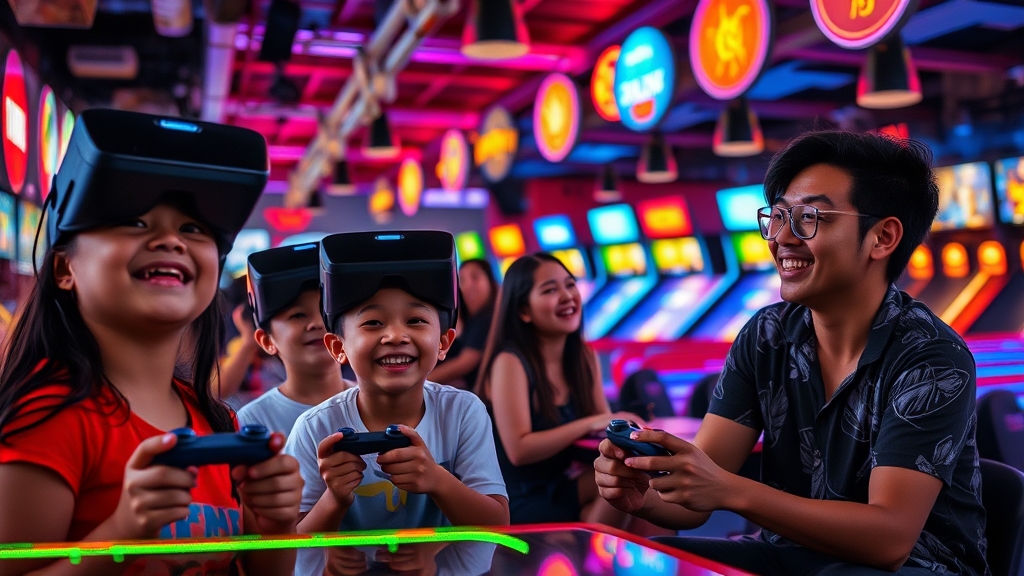
The interiors of Escape Hunt Manila buzz with excitement as teams of friends and colleagues work together to solve intricate puzzles, their laughter echoing through themed rooms that transport them from corporate boardrooms to ancient Egyptian tombs. This scene represents more than just entertainment—it exemplifies the dramatic shift toward experience-based franchising that has captured the Philippine market, where businesses focused on creating memorable experiences rather than simply selling products achieve 67% higher customer engagement and generate 45% more social media buzz compared to traditional retail or service franchises.
Recent industry analysis reveals that experience-based franchises grew by 34% in 2024, making them the fastest-expanding segment within the Philippine franchise landscape. This surge reflects fundamental changes in Filipino consumer behavior, where millennials and Gen Z consumers prioritize experiences over material possessions while seeking Instagram-worthy moments that enhance their social media presence and personal narratives.
The resurgence of experiential consumption represents more than a trend—it signals a permanent shift in how Filipinos approach leisure, entertainment, and social interaction. For franchise operators managing everything from affordable franchise opportunities to substantial entertainment investments, understanding this experiential revolution has become essential for capturing the attention and loyalty of modern Filipino consumers who increasingly value memorable experiences over traditional product purchases.
Defining Experience-Based Franchising in the Philippine Context
Experience-based franchises fundamentally differ from traditional business models by prioritizing customer engagement, emotional connection, and memorable interactions over simple product transactions. These businesses create environments where customers become active participants rather than passive consumers, generating value through the quality of experiences rather than the quantity of products sold.
The Philippine market's embrace of experiential franchising reflects cultural values that emphasize social connection, family bonding, and shared experiences. Filipino consumers naturally gravitate toward activities that bring people together, making experience-based concepts particularly resonant within local market dynamics that prioritize relationships and community engagement.
Successful experiential franchises in the Philippines share common characteristics: they create Instagram-worthy environments that encourage social media sharing, offer activities that accommodate group participation, and provide experiences that cannot be replicated through online shopping or digital alternatives. These businesses thrive on the irreplaceable value of physical presence and human interaction.
Technology integration enhances rather than replaces human experiences in successful experiential franchises, with digital tools supporting booking systems, personalized experiences, and social media integration while maintaining focus on real-world interactions and memorable moments that define the experiential value proposition.
Market Drivers Behind the Experiential Shift
Demographic changes drive much of the experiential franchise growth, with millennials and Gen Z representing 60% of Philippine consumers who demonstrate strong preferences for experiences over material possessions. These demographics view experiences as investments in personal development, social connection, and identity expression that align with their values and lifestyle priorities.
Social media influence amplifies the appeal of experiential franchises, as customers naturally share unique experiences through photos, videos, and stories that create organic marketing content. Leveraging social media platforms becomes particularly effective for experiential businesses that generate inherently shareable content through customer participation.
Post-pandemic behavior shifts have intensified demand for meaningful in-person experiences as consumers seek to reconnect with others and engage in activities that provide emotional fulfillment after extended periods of isolation. This "revenge spending" on experiences reflects pent-up demand for social interaction and memorable activities that digital alternatives cannot satisfy.
Economic prosperity among middle-class Filipino families creates discretionary spending capacity for experiential purchases, with consumers increasingly willing to invest in activities that provide lasting memories rather than temporary material satisfaction. Understanding local demographics helps franchise operators identify markets with sufficient economic capacity for experiential spending.
Leading Experience-Based Franchise Categories
Entertainment and gaming franchises dominate the experiential landscape, with concepts like Timezone, Quantum, and Amazing Escape creating immersive environments that combine technology with social interaction. These franchises benefit from repeat visitation patterns and group bookings that generate higher average transaction values compared to traditional retail operations.
Escape room franchises including Breakout Philippines and Mystery Manila have experienced explosive growth by offering puzzle-solving experiences that require teamwork and communication. These concepts appeal to corporate team-building activities, social groups, and date experiences while maintaining relatively low operational complexity and high profit margins.
Interactive dining experiences such as Korean BBQ franchises, hotpot restaurants, and DIY cooking concepts transform meals into participatory activities where customers become active participants in food preparation and presentation. These concepts extend dining duration while creating memorable experiences that encourage repeat visits and social sharing.
Fitness and wellness experiences including boutique fitness studios, yoga retreats, and wellness centers capitalize on health-conscious trends while providing community-building experiences that traditional gyms cannot match. Understanding health and wellness franchise trends helps identify opportunities in this growing experiential sector.
Technology Integration in Experiential Franchises
Augmented reality (AR) and virtual reality (VR) technologies enhance experiential franchises by creating immersive environments that transport customers to different worlds or time periods. VR gaming centers and AR-enhanced escape rooms provide experiences impossible to replicate at home while justifying premium pricing through technological sophistication.
Mobile app integration supports experiential franchises through booking systems, loyalty programs, and social sharing features that extend customer engagement beyond physical visits. These digital tools enhance rather than replace in-person experiences while providing valuable customer data for personalized marketing and operational optimization.
Interactive technology installations including digital art galleries, interactive museums, and technology-enhanced entertainment venues create unique experiences that combine education with entertainment. These concepts appeal to families seeking activities that provide both fun and learning opportunities for children and adults.
Social media integration through dedicated photo opportunities, branded hashtags, and shareable content creation helps experiential franchises amplify their marketing reach through customer-generated content that authentically promotes the brand experience to extended social networks.
Investment Considerations and Financial Models
Higher initial investments characterize most experiential franchises due to specialized equipment, technology requirements, and custom-designed environments that create unique customer experiences. Understanding franchise costs becomes essential for evaluating the financial requirements and return potential of experiential concepts.
Revenue models for experiential franchises often include multiple streams: admission fees, food and beverage sales, merchandise, private event bookings, and corporate packages that diversify income sources while maximizing facility utilization. These diverse revenue streams provide stability while enabling premium pricing for unique experiences.
Operational efficiency requires sophisticated scheduling systems and capacity management that optimize facility utilization while maintaining quality experiences. Understanding key performance indicators specific to experiential businesses helps operators track success metrics beyond traditional sales volume measurements.
Location requirements for experiential franchises typically demand larger spaces in high-traffic areas with adequate parking and accessibility, creating higher real estate costs that must be balanced against revenue potential. Site selection strategies become particularly critical for experience-based concepts that depend on foot traffic and visibility.
Operational Excellence in Experience Management
Staff training for experiential franchises requires specialized skills in customer engagement, experience facilitation, and problem-solving that differ significantly from traditional retail or service training. Training programs must prepare employees to create memorable experiences while managing complex customer interactions and technical equipment.
Quality control in experiential franchises focuses on consistency of customer experiences rather than product quality, requiring systematic approaches to experience design, staff performance, and facility maintenance. Brand standards compliance becomes particularly challenging when experiences depend on human interaction and subjective customer satisfaction.
Customer service excellence takes on new dimensions in experiential franchises where staff members function as experience facilitators rather than traditional service providers. Understanding excellent customer service principles helps create positive experiences that encourage repeat visits and referrals.
Safety and security protocols require enhanced attention in experiential franchises where customers engage in physical activities, use specialized equipment, or participate in immersive environments that create unique liability considerations and insurance requirements.
Marketing Strategies for Experiential Franchises
Content marketing proves particularly effective for experiential franchises that can showcase their unique offerings through videos, photos, and customer testimonials that demonstrate the experience quality and entertainment value. This content naturally generates engagement while providing authentic promotional material.
Influencer partnerships with local personalities, social media influencers, and content creators can amplify awareness while providing authentic endorsements that resonate with target demographics. These partnerships often generate more credible promotional content than traditional advertising approaches.
Group booking strategies targeting corporate events, birthday parties, team-building activities, and social gatherings help maximize facility utilization while generating higher revenue per visit through package deals and extended bookings.
Loyalty programs for experiential franchises must balance frequency incentives with experience quality, encouraging repeat visits while maintaining the novelty and excitement that define experiential value. Understanding customer loyalty strategies helps develop programs that support long-term customer relationships.
Challenges and Risk Management
Seasonal demand fluctuations affect experiential franchises differently than traditional businesses, with school holidays, weekends, and special events creating concentrated demand periods that require sophisticated capacity management and staffing flexibility.
Competition from digital entertainment poses ongoing challenges as streaming services, gaming platforms, and social media compete for consumer attention and leisure time. Experiential franchises must continuously innovate to maintain relevance and justify premium pricing for in-person experiences.
Economic sensitivity affects experiential spending more than essential purchases, making these franchises vulnerable to economic downturns when consumers reduce discretionary spending on entertainment and leisure activities. Managing cash flow becomes critical for weathering economic uncertainty.
Regulatory compliance for experiential franchises often involves safety regulations, entertainment licensing, and local government permits that vary across different municipalities and franchise concepts. Understanding legal requirements helps ensure proper compliance while avoiding operational disruptions.
Success Stories and Market Leaders
Timezone Philippines exemplifies successful experiential franchising through its evolution from traditional arcade games to comprehensive entertainment destinations that combine gaming, dining, and social experiences. Their success demonstrates how established brands can adapt to experiential trends while maintaining operational efficiency.
Amazing Escape has built a strong presence in the Philippine escape room market by creating elaborate themed environments and challenging puzzles that encourage repeat visits and word-of-mouth marketing. Their growth illustrates the potential for specialized experiential concepts in the Philippine market.
Korean BBQ franchises like Samgyupsalamat and Romantic Baboy have transformed dining into interactive experiences where customers participate in food preparation while enjoying social interaction. These concepts demonstrate how traditional industries can embrace experiential elements for competitive advantage.
Boutique fitness franchises including Orange Theory Fitness and F45 Training have redefined exercise as community experiences that combine fitness with social interaction and personal achievement tracking. Their success shows how experiential approaches can differentiate commoditized services.
Regional Expansion and Market Penetration
Metro Manila dominance characterizes current experiential franchise distribution, with most concepts concentrated in major shopping centers and entertainment districts that provide high foot traffic and target demographic access. Understanding urban market dynamics helps identify optimal locations for experiential concepts.
Provincial expansion opportunities exist for experiential franchises willing to adapt their concepts for smaller markets with different demographic profiles and economic conditions. Provincial franchising strategies require modifications to accommodate local preferences and spending capacity.
Shopping mall integration provides natural locations for experiential franchises that benefit from foot traffic, parking availability, and complementary retail environments. Understanding retail mall dynamics helps optimize location selection and operational strategies.
Tourism market potential creates opportunities for experiential franchises in destinations like Boracay, Palawan, and Baguio where tourists seek unique activities and memorable experiences. Tourist area considerations influence operational strategies and marketing approaches for these specialized markets.
Future Trends and Evolution
Hybrid experiences combining physical and digital elements will likely define the next generation of experiential franchises, with concepts that seamlessly integrate technology with human interaction to create unique value propositions that cannot be replicated through purely digital alternatives.
Personalization technology will enable experiential franchises to customize experiences based on customer preferences, previous visits, and demographic data, creating more engaging and relevant experiences that encourage repeat visits and customer loyalty.
Sustainability integration will become increasingly important as environmentally conscious consumers seek experiences that align with their values. Sustainable franchising practices will differentiate brands while appealing to socially responsible consumers.
Community integration will evolve beyond simple local marketing to include genuine community involvement, local partnerships, and social impact initiatives that create deeper connections between experiential franchises and their local markets.
Investment Strategy and Market Entry
Due diligence for experiential franchises requires evaluation of technology systems, experience design quality, staff training programs, and customer satisfaction metrics that differ from traditional franchise assessment criteria. Understanding franchise evaluation methods helps identify viable experiential concepts.
Financing considerations for experiential franchises often require larger initial investments and longer payback periods due to higher setup costs and customer acquisition requirements. Franchise financing options must account for these unique financial characteristics.
Market timing becomes particularly important for experiential franchises that depend on consumer trends and demographic shifts. Understanding emerging franchise concepts helps identify optimal entry points for new experiential opportunities.
Competitive positioning requires differentiation through unique experience design, superior customer service, or innovative technology integration that creates sustainable competitive advantages in increasingly crowded experiential markets.
Long-Term Sustainability and Growth
Experience innovation will determine long-term success as experiential franchises must continuously evolve their offerings to maintain novelty and customer interest. This requires ongoing investment in concept development, technology upgrades, and staff training that supports experience quality.
Customer relationship building becomes particularly important for experiential franchises where repeat visits and referrals drive profitability. Understanding customer lifetime value helps justify investments in experience quality and customer satisfaction.
Operational scaling for experiential franchises requires maintaining experience quality while achieving operational efficiency across multiple locations. Multi-unit development strategies must balance standardization with local market adaptation.
Brand evolution will require experiential franchises to adapt to changing consumer preferences, technological advancement, and competitive pressures while maintaining core experience values that define their market positioning.
The rise of experience-based franchising in the Philippines represents more than a business trend—it reflects fundamental shifts in consumer values, lifestyle priorities, and social interaction patterns that will continue shaping the franchise landscape. For entrepreneurs serious about developing successful owner qualities, understanding and embracing experiential concepts provides access to one of the most dynamic and promising segments of the Philippine franchise market.
Whether pursuing technology-focused franchises or entertainment concepts, success in experiential franchising requires commitment to customer experience excellence, continuous innovation, and authentic community engagement that creates lasting value beyond simple transactions. The investment in understanding experiential dynamics and implementing customer-centric approaches generates returns through enhanced customer loyalty, premium pricing opportunities, and sustainable competitive advantages that support long-term franchise success.
Remember that experiential franchise success depends not just on creating memorable moments but on building systematic approaches to experience delivery, operational excellence, and customer relationship management that sustain business performance while continuously exceeding customer expectations in an increasingly experience-focused marketplace.
